Essential masterpieces spanning 5,000 years at The Metropolitan Museum of Art
CE
Caleido Editorial TeamJune 9, 202625 min read0 views
The Metropolitan Museum of Art — universally known as The Met — is the largest art museum in the Americas and one of the most encyclopedic collections on Earth. With over two million works spanning 5,000 years and every inhabited continent, The Met is a place where ancient Egyptian temples stand alongside European masterpieces, Japanese screens, and American period rooms.
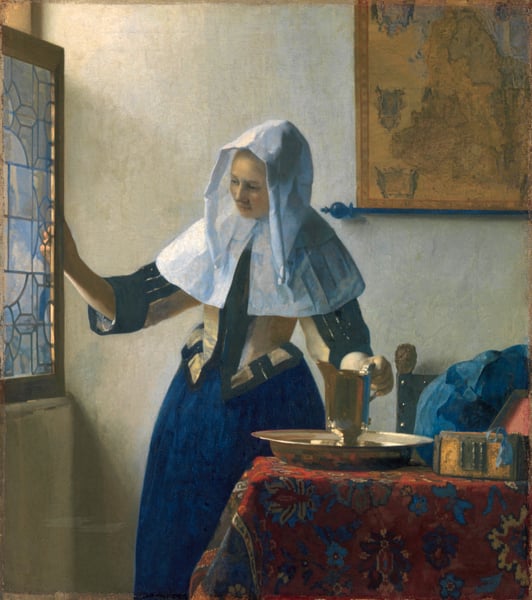
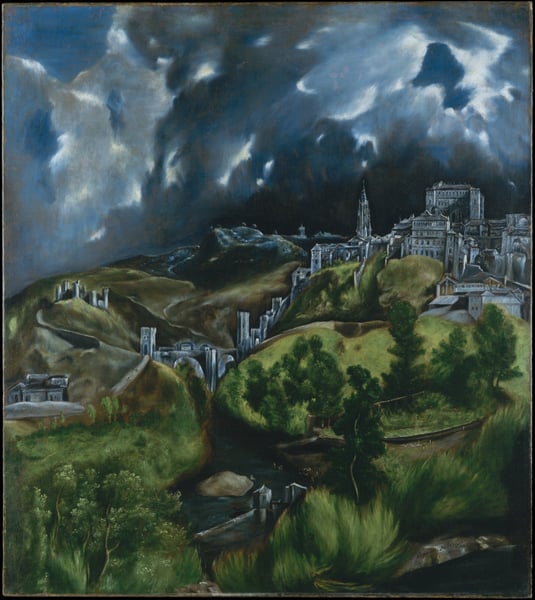
This guide presents 30 must-see works that represent the extraordinary breadth and depth of the collection, from the iconic Washington Crossing the Delaware and the serene Temple of Dendur to Vermeer's intimate Young Woman with a Water Pitcher and El Greco's visionary View of Toledo. Whether you have one hour or one day, these are the works that make The Met unforgettable.
Use the checklist below to track which Met masterpieces you've seen in person.
Washington Crossing the Delaware is the title of three 1851 oil-on-canvas paintings by the German-American artist Emanuel Leutze depicting General George Washington's crossing of the Delaware River with the Continental Army on the night of December 25–26, 1776, during the American Revolutionary War. Washington's covert crossing of the Delaware River that night was the first of several moves, le...
Woman with a Water Jug, also known as Young Woman with a Water Pitcher, is a painting finished between 1660–1662 by the Dutch painter Johannes Vermeer in the Baroque style. It is oil on canvas, 45.7cm × 40.6 cm, and is on display at the Metropolitan Museum of Art, New York.
El Greco · Mannerism (Late Renaissance) · cityscape, landscape
One of only two surviving landscapes by El Greco, View of Toledo is among the best known depictions of the sky in western art. At the time it was painted, it was rare to portray an isolated landscape scene, making El Greco the first landscape artist in the history of Spanish art. It is not a true representation of the landscape of Toledo, however. Although the castle is in the correct place, th...
Aristotle with a Bust of Homer, also known as Aristotle Contemplating a Bust of Homer, is an oil-on-canvas painting by Rembrandt that depicts Aristotle wearing a gold chain and contemplating a sculpted bust of Homer. It was created as a commission for Don Antonio Ruffo's collection. It was bought and sold by several collectors until it was eventually purchased by the Metropolitan Museum of Art....
05
Self-Portrait with a Straw Hat
Vincent van GoghArtwork
Vincent van Gogh
Self-Portrait with a Straw Hat is a painting by Vincent van Gogh.
06
Madame X
John Singer SargentArtwork
Friedel Dzubas · Lyrical Abstraction · abstract
Madame X or Portrait of Madame X is an 1884 portrait painting by John Singer Sargent of a young socialite, Virginie Amélie Avegno Gautreau, wife of the French banker Pierre Gautreau. Madame X was painted not as a commission, but at the request of Sargent. It is a study in opposition. Sargent shows a woman posing in a black satin dress with jeweled straps, a dress that reveals and hides at the s...
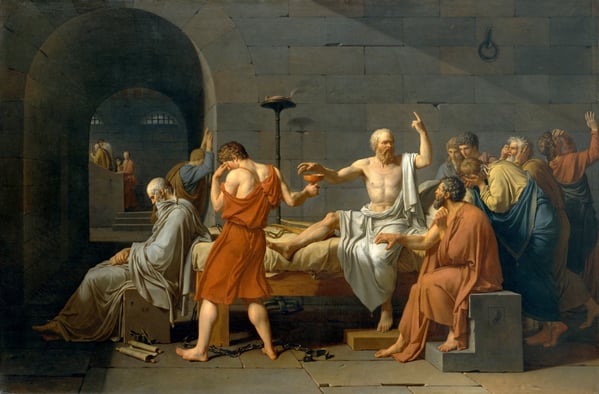
Jacques-Louis David · Neoclassicism · history painting
The Death of Socrates is an oil on canvas painted by French painter Jacques-Louis David in 1787. The painting was part of the neoclassical style, popular in the 1780s, that depicted subjects from the Classical age, in this case the story of the execution of Socrates as told by Plato in his Phaedo. In this story, Socrates has been convicted of corrupting the youth of Athens and introducing stran...
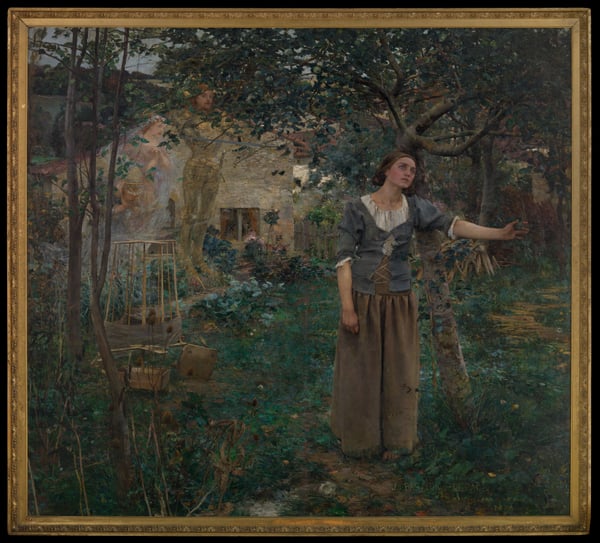
Dante Gabriel Rossetti · Romanticism · history painting
Joan of Arc is a history painting by Dante Gabriel Rossetti from 1882, executed in the Romantic style. The work depicts the titular historical figure, rendered according to Romantic conventions of emotional intensity and historical subject matter that characterize Rossetti's approach to the genre.
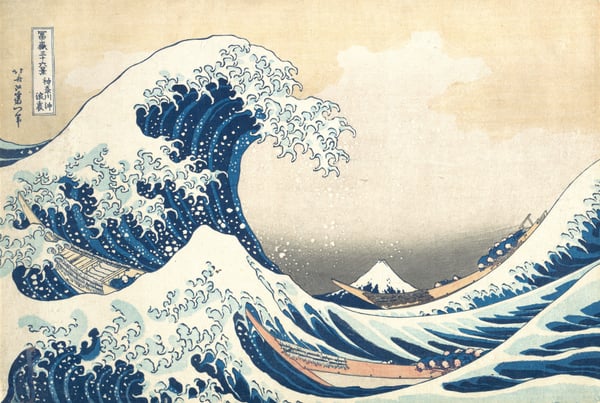
This is the most famous print created by Katsushika Hokusai, and it continues to grow in popularity and recognition worldwide. The image is of two boats, full of Japanese sailors, coming up against the namesake of the print, the Great Wave. The wave looks as if it will swallow the boats whole, and that the boat men are sure to be devoured in the wave. Although it is such a strong image, it is s...
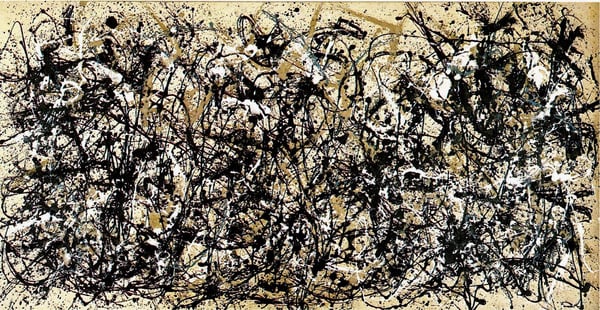
Autumn Rhythm is a 1950 abstract expressionist painting by American artist Jackson Pollock in the collection of the Metropolitan Museum of Art in New York City. The work is a distinguished example of Pollock's 1947-50 poured-painting style, and is often considered one of his most notable works.
The Harvesters is an oil painting on wood completed by the Netherlandish Renaissance artist Pieter Bruegel the Elder in 1565. It depicts the harvest time set in a landscape, in the months of July and August or late summer. Nicolaes Jonghelinck, a merchant banker and art collector from Antwerp, commissioned this painting as part of a cycle of six paintings depicting various seasonal transitions ...
12
Madonna and Child (1450)
Duccio di BuoninsegnaArtwork
Jacopo Bellini · Early Renaissance · religious painting
Madonna and Child is a religious painting by Jacopo Bellini created in 1450 in the Early Renaissance style.
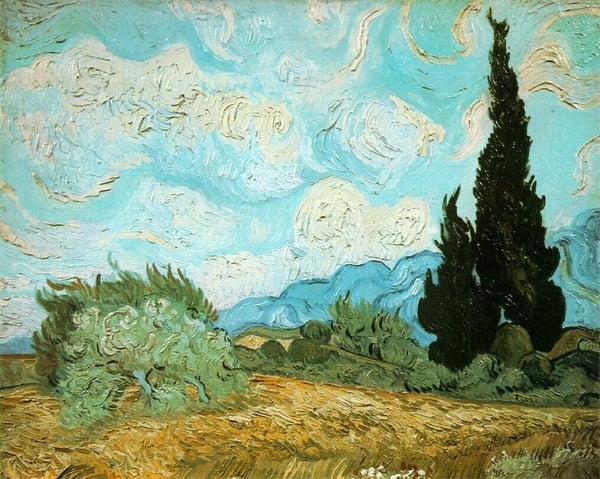
A Wheatfield with Cypresses is any of three similar 1889 oil paintings by Vincent van Gogh, as part of his wheat field series. All were exhibited at the Saint-Paul-de-Mausole mental asylum at Saint-Rémy near Arles, France, where Van Gogh was voluntarily a patient from May 1889 to May 1890. The works were inspired by the view from the window at the asylum towards the Alpilles mountains.
It is undoubtedly the most reproduced and famous painting by Rosa Bonheur. It took her 18 months of constant work to create it, through dozens of [url href=https://www.wikiart.org/en/rosa-bonheur/the-horse-fair-study-1850]sketches[/url], in two final versions with very different sizes. The original one is huge and is now exposed to the Met Museum of New York. The other one is about a quarter of...
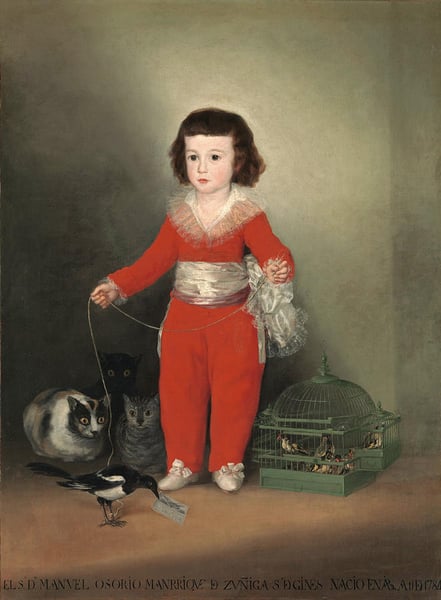
Manuel Osorio Manrique de Zúñiga is a large full-length portrait in oil painted in 1787–88 by the Spanish artist Francisco Goya. It depicts a boy three or four years of age, standing in red clothes, with birds and cats. It is also known as Goya's "Red Boy". It was described by art historian Claus Virch in 1967 as "one of the most appealing and successful portraits of children ever painted, and ...
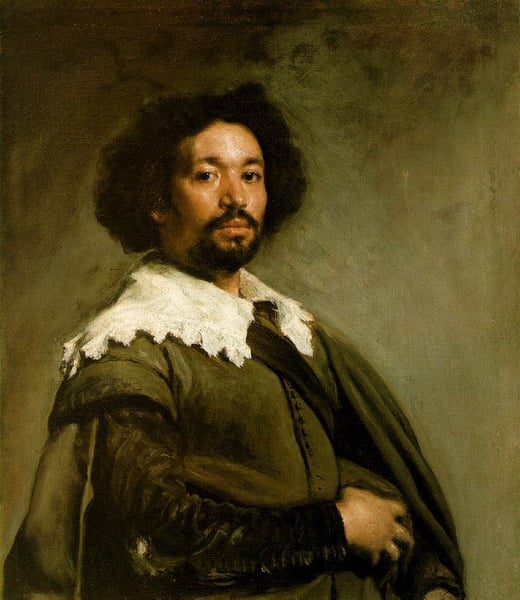
Juan de Pareja was a Spanish painter. Born enslaved, he is known primarily as a member of the household and workshop of painter Diego Velázquez, who freed him in 1650. His 1661 work The Calling of Saint Matthew is on display at the Museo del Prado in Madrid, Spain.
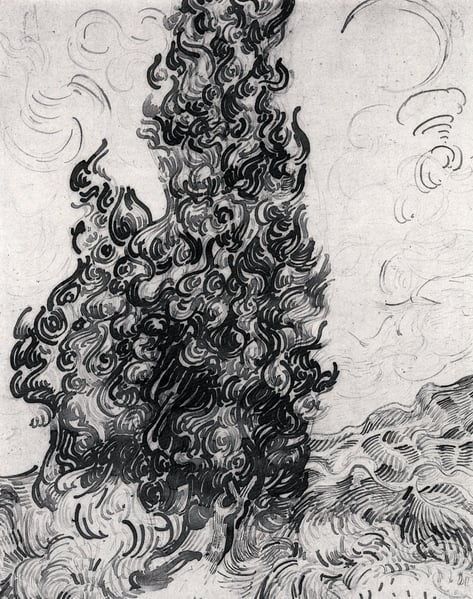
Vincent van Gogh · Post-Impressionism · sketch and study
Cypress is a common name for species in several genera in the family Cupressaceae. They grow in temperate climates and subtropical regions of Asia, Europe, and North America.
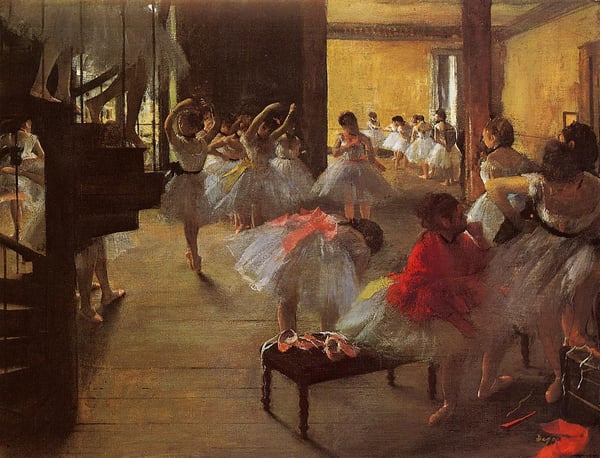
The Ballet Class is an oil painting on canvas created between 1874 and 1876 by the French artist Edgar Degas. The painting depicts a group of ballet dancers at the end of a lesson, led by ballet master Jules Perrot. Known for portraying dancers, Degas captured the grace and the rigorous nature of ballet as a profession. The Ballet Class is housed in the Musée d'Orsay, Paris, France. It was comm...
Claude Monet's Bridge over a Pond of Water Lilies depicts the subject named in its title—a bridge situated over a body of water containing water lilies. The work belongs to Monet's series examining this motif, which he painted repeatedly during his time at Giverny.
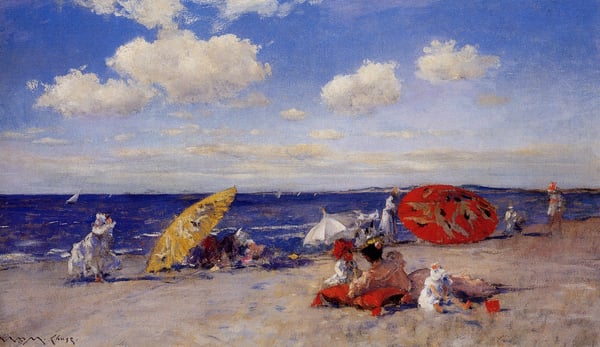
Edward Henry Potthast · Impressionism · genre painting
At the Seaside is an oil painting on canvas executed c. 1892 by American artist William Merritt Chase. The painting depicts a seaside scene set on Long Island, New York. The work is in the collection of the Metropolitan Museum of Art, in New York.
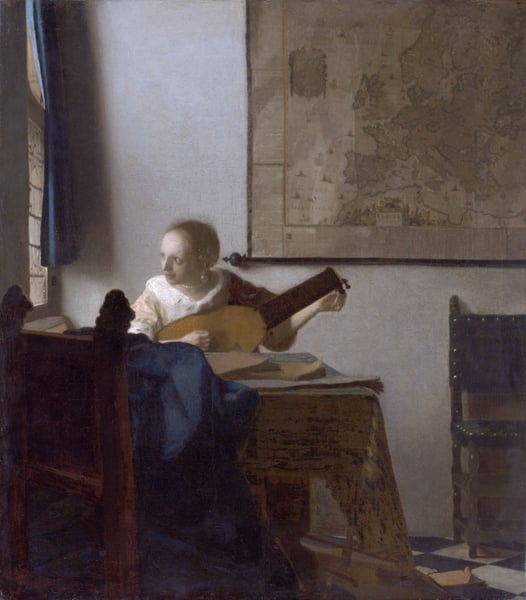
Woman with a Lute, also known as Woman with a Lute Near a Window, is a painting created about 1662–1663 by Dutch painter Johannes Vermeer and now at the Metropolitan Museum of Art in New York.
The Triumph of Marius is a work by Giovanni Battista Tiepolo, the Venetian painter known for his grand historical and allegorical compositions in the Rococo style.
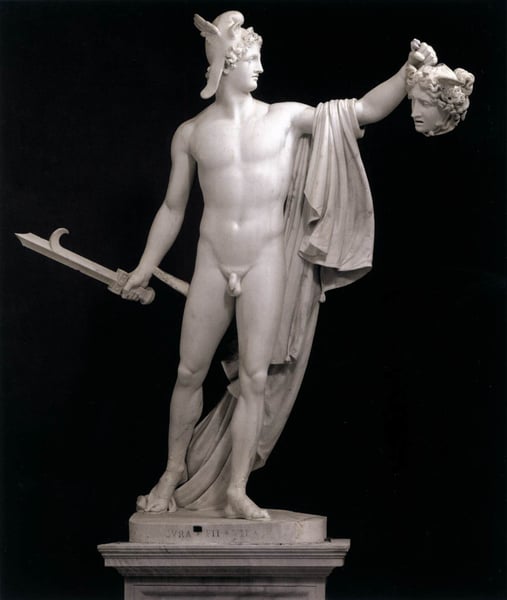
Perseus with the Head of Medusa is a bronze sculpture made by Benvenuto Cellini in the period 1545–1554. The sculpture stands on a square base which has bronze relief panels depicting the story of Perseus and Andromeda, similar to a predella on an altarpiece. It is located in the Loggia dei Lanzi in the Piazza della Signoria in Florence, Italy. The second Florentine duke, Cosimo I de' Medici, c...
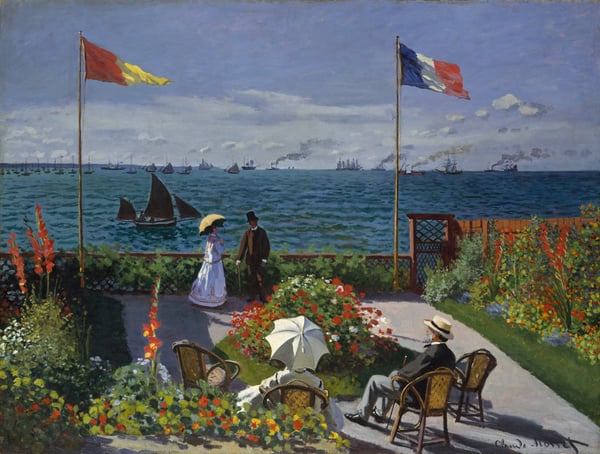
The Garden at Sainte-Adresse is a painting by the French impressionist painter Claude Monet.. The painting was acquired by the Metropolitan Museum of Art after an auction sale at Christie's in December 1967, under the French title La terrasse à Sainte-Adresse. The painting was exhibited at the 4th Impressionist exhibition, Paris, April 10–May 11, 1879, as no. 157 under the title Jardin à Sainte...
The Unicorn in Captivity is a late Gothic era tapestry. It was made in the Southern Netherlands between 1495 and 1505. It is the seventh and final tapestry in The Unicorn Tapestries series. The tapestry depicts a unicorn chained to a tree in a small circular enclosure against a background of various vegetation. It is now on permanent exhibition at The Cloisters in New York City.
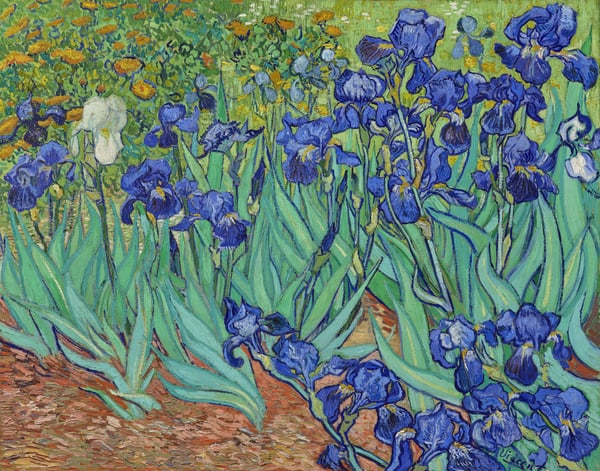
Van Gogh painted Irises the year before his death, in 1889, during his stay at the asylum in Saint Remy de Provence. Van Gogh often used painting as a way to keep himself from going insane, and this painting was one such work. It was painted before his first mental attack at the asylum. Van Gogh sent the painting to his brother Theo, who immediately sent it to the Salon des Independants that sa...


No comments yet — be the first.