
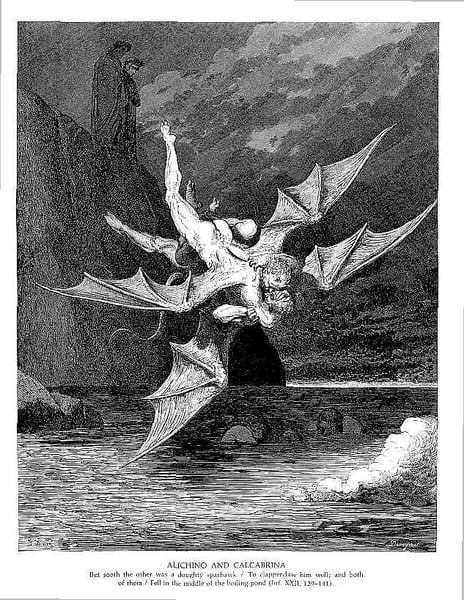
Expert analysis of Gustave Dore’s Alichino & Calcabrina
Style: Romanticism · Genre: illustration
Artwork Analysis: "Alichino & Calcabrina" by Gustave Doré
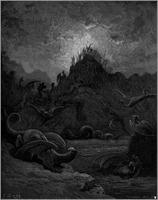
Gustave Doré’s Alichino & Calcabrina stands as a masterful example of Romantic illustration, blending literary narrative with intense emotional and visual drama. As a work firmly rooted in Romanticism, it emphasizes the sublime, the grotesque, and the psychological depth of its subject matter—here, the chaotic, airborne struggle between two demons from Dante’s Inferno.
Significance within Romanticism and the Illustration Genre:
-
Dramatic Sublime & Emotional Intensity: Doré captures the Romantic fascination with terror and awe. The swirling, dynamic poses of Alichino and Calcabrina, locked in a violent midair grapple, evoke a sense of uncontrollable force and moral disorder. The dark, chiaroscuro-like engraving (typical of Doré’s style) heightens the contrast between light and shadow, intensifying the scene’s hellish atmosphere and the viewer’s visceral response.
-
Narrative Power in Illustration: As an illustration, this work transcends mere accompaniment to Dante’s text. Doré’s detailed, almost cinematic composition draws the viewer into the epic journey—making the infernal landscape tangible and the allegorical struggle palpable. His ability to merge precise, naturalistic draftsmanship with imaginative, often grotesque figures exemplifies the Romantic illustrator’s goal: to make literature visually explosive.
-
Contribution to the Romantic Canon: Doré’s illustrations for the Divine Comedy (among other classics) redefined how 19th-century audiences experienced foundational literary works. Alichino & Calcabrina demonstrates his unique capacity to render the invisible—sin, damnation, chaos—into a visual language that is both terrifying and beautiful, solidifying his legacy as a quintessential Romantic artist who gave visual form to the age’s fascination with the fantastic and the macabre.
In short, the artwork’s significance lies in its perfect synthesis of Romantic ideals—emotional excess, the sublime, and imaginative storytelling—within the specific context of literary illustration, making it a cornerstone of Doré’s enduring influence on both art and literature.
Visually similar
20 works with related composition and palette
The Inferno, Canto 22
Gustave Dore
The Inferno, Canto 21
Gustave Dore
Devils and Virgil
Gustave Dore
There it goes
Francisco Goya
The Inferno, Canto 22
Gustave Dore
Barrators--Giampolo
Gustave Dore
The Red Dragon and the Woman Clothed with the Sun
William Blake
And now expecting Each hour their great adventurer, from the search Of foreign worlds
Gustave Dore
The Descent on The Monster
Gustave Dore
Geryon--Symbol of Deceit
Gustave Dore
Satan's Flight Through Chaos
Gustave Dore
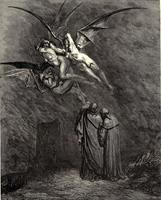
The Inferno, Canto 9
Gustave Dore
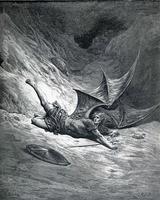
Satan Shown as the Fallen Angel after Having Been Smitten
Gustave Dore
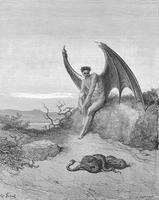
Him, fast sleeping, soon he found In labyrinth of many a round, self-rolled
Gustave Dore
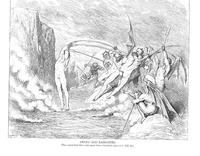
Devils and Barrators
Gustave Dore
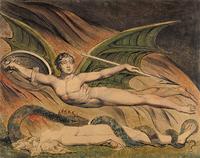
Satan Exulting over Eve
William Blake
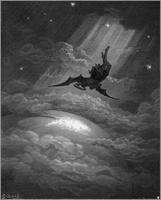
Paradise Lost
Gustave Dore
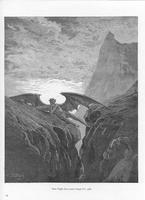
Plate no. 26 Book VI line 406 'Now Night her Course began..'
Gustave Dore
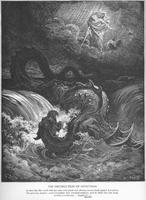
The Destruction of Leviathan
Gustave Dore
Paradise Lost
Gustave Dore