
Expertenanalyse zu Gustave Dores Devils and Barrators
Stil: Romanticism · Genre: illustration
Expert Analysis of "Devils and Barrators" by Gustave Doré
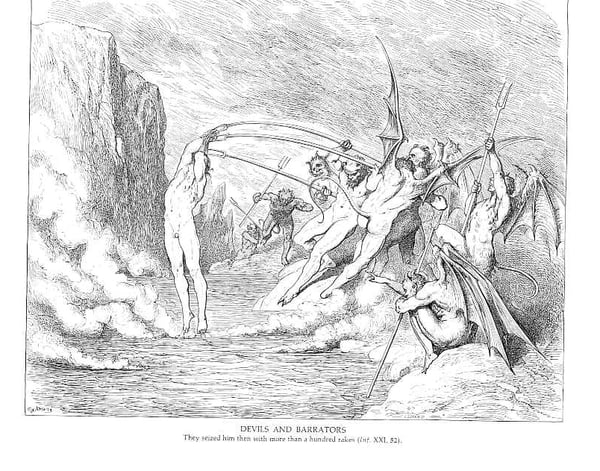
Gustave Doré’s Devils and Barrators stands as a masterful example of Romantic illustration, a genre in which Doré’s singular talents helped redefine the relationship between text and image. Created within the broader Romantic movement, this work demonstrates the period’s obsession with the sublime, the grotesque, and the emotionally intense—themes that Doré channels through his virtuosic engraving technique.
Significance within Romanticism:
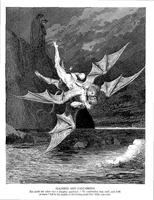
Romanticism prized imagination over restraint and often explored dark, supernatural, or medieval subjects. Doré’s depiction of devils and barrators (a term referring to corrupt officials, drawn from Dante’s Inferno, Canto XXI–XXII) perfectly captures the Romantic fascination with the macabre and the moral. The scene is filled with chaotic, writhing figures—demonic tormentors and the damned—rendered in dramatic chiaroscuro. The deep shadows and stark highlights create a sense of claustrophobic terror, while the muscular, exaggerated forms of the devils evoke both power and revulsion. This aligns with Romanticism’s celebration of intense emotion and its exploration of human depravity and divine punishment.
Significance as an Illustration:
Doré’s work on The Divine Comedy (of which this illustration is part) revolutionized how literary scenes were visualized. Unlike earlier, more static book illustrations, Doré’s engravings are cinematic in their dynamism. In Devils and Barrators, the composition thrusts the viewer into the boiling pitch of the Malebolge—the devils’ energy is palpable, their gestures theatrical. The illustration does not merely accompany the text; it amplifies the poem’s allegorical horror, making the abstract corruption of barratry (bribery and graft) viscerally real. This synergy between word and image established Doré as the preeminent illustrator of the 19th century, influencing graphic storytelling, from fantasy art to early comics.
Legacy:
Doré’s Devils and Barrators remains significant for its technical brilliance and its emotional immediacy. It exemplifies how Romantic illustration could elevate a literary passage into an iconic, independent work of art—one that continues to define our visual imagination of hell and its torments.
Visuell ähnlich
20 Werke mit ähnlicher Komposition und Farbpalette
The Inferno, Canto 21
Gustave Dore
Devils and Seducers
Gustave Dore
Barrators--Giampolo
Gustave Dore
The Inferno, Canto 18
Gustave Dore
Devils and Virgil
Gustave Dore
There it goes
Francisco Goya
The Inferno, Canto 21
Gustave Dore
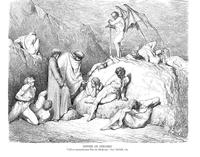
Sower of Discord
Gustave Dore
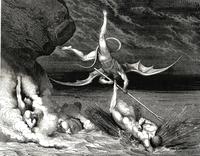
The Inferno, Canto 22
Gustave Dore
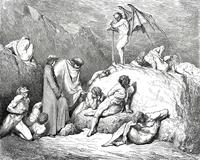
The Inferno, Canto 28
Gustave Dore
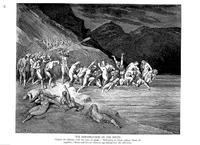
The Embarkation of the Souls
Gustave Dore
And now expecting Each hour their great adventurer, from the search Of foreign worlds
Gustave Dore
Where is mother going?
Francisco Goya
Alichino & Calcabrina
Gustave Dore
Fighting Seekentauren
Albrecht Durer
Transformation into Snakes
Gustave Dore
The Inferno, Canto 22
Gustave Dore
Adam and Eve
Rembrandt
The Inferno, Canto 9
Gustave Dore
The Gluttons--Ciacco
Gustave Dore