Expertenanalyse zu Gustave Dores Barrators--Giampolo
Stil: Romanticism · Genre: illustration
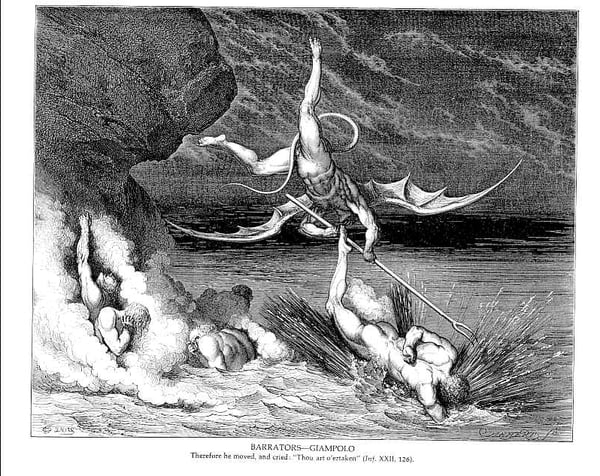
Artwork Analysis: Barrators--Giampolo by Gustave Doré
Style & Period Context:
Created in the Romantic era, Gustave Doré’s illustration exemplifies the movement’s fascination with intense emotion, the sublime, and the grotesque. Romanticism rejected neoclassical restraint in favor of dramatic, often terrifying imagery that stirs the viewer’s imagination. Doré’s work here is a prime example of how illustration—typically a narrative support—was elevated to a powerful, independent artistic statement.
Subject Matter & Narrative Significance:
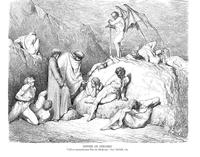
The piece depicts a scene from Dante Alighieri’s Inferno (Canto XXII), where the poet encounters the barrators—sinners guilty of corrupt political or judicial fraud. Giampolo (or Ciampolo) is a damned soul who attempts to deceive the demons guarding the boiling pitch where barrators are punished. Doré captures the chaotic, visceral moment: figures writhing in agony, demons lunging with grappling hooks, and the roiling, tar-like river. This is not a quiet allegory but a violent, action-packed vignette that makes Dante’s medieval morality play feel immediate and terrifying.
Technical Mastery & Composition:
Doré’s wood-engraving technique showcases his genius for chiaroscuro. Deep, velvety blacks contrast with stark white highlights, creating a sense of depth and drama that mimics oil painting. In Barrators--Giampolo, the diagonal thrust of the demons’ bodies and the twisted poses of the damned generate a restless, downward spiral—mirroring the moral descent of the sinners. The foreground figures are rendered with exacting anatomical distortion, heightening the grotesquerie, while the background dissolves into murky shadow, suggesting an endless, infernal space.
What Makes It Significant:
Doré’s illustrations for the Divine Comedy (published in the 1860s) became the definitive visual interpretation of Dante, influencing countless later artists, filmmakers, and illustrators. This specific plate stands out for its ability to blend Romantic horror with precise narrative clarity—each gesture and expression tells the story of deception, punishment, and cosmic justice. The work also demonstrates how illustration, often dismissed as secondary, can achieve the emotional weight and technical complexity of fine art. Doré’s Barrators--Giampolo remains a cornerstone of Romantic visual storytelling and a testament to the power of the illustrated book as a high-art medium.
Visuell ähnlich
20 Werke mit ähnlicher Komposition und Farbpalette
The Inferno, Canto 22
Gustave Dore
Devils and Barrators
Gustave Dore
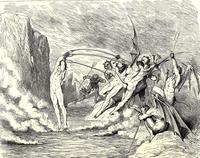
The Inferno, Canto 21
Gustave Dore
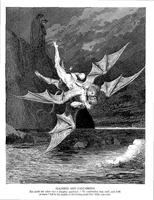
Alichino & Calcabrina
Gustave Dore
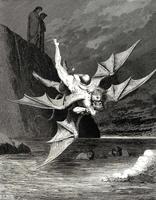
The Inferno, Canto 22
Gustave Dore
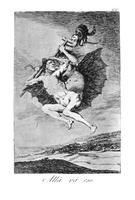
There it goes
Francisco Goya
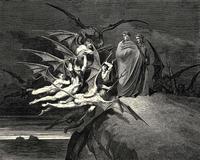
The Inferno, Canto 21
Gustave Dore
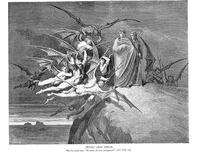
Devils and Virgil
Gustave Dore
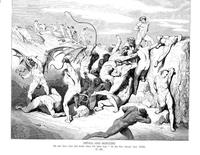
Devils and Seducers
Gustave Dore
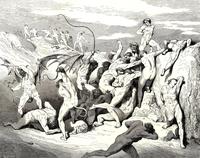
The Inferno, Canto 18
Gustave Dore
Satan Exulting over Eve
William Blake
And now expecting Each hour their great adventurer, from the search Of foreign worlds
Gustave Dore
The Inferno, Canto 28
Gustave Dore
Ixion
Hendrick Goltzius
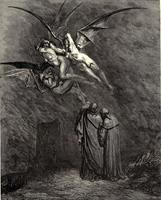
The Inferno, Canto 9
Gustave Dore
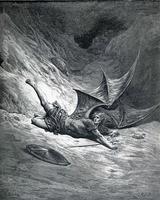
Satan Shown as the Fallen Angel after Having Been Smitten
Gustave Dore
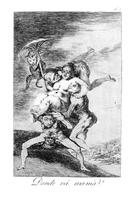
Where is mother going?
Francisco Goya
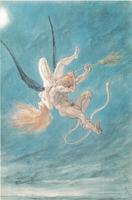
The Satanic. Removal
Felicien Rops
Sower of Discord
Gustave Dore
Illustration to Book of Job
William Blake