Expert Analysis of "Don Quixote" by Gustave Doré
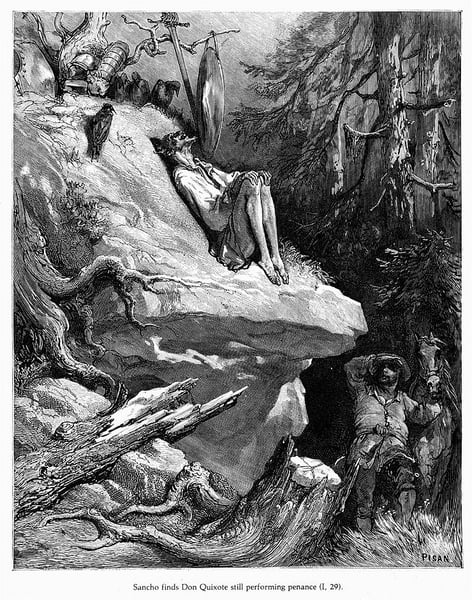
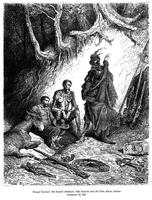
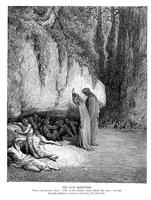
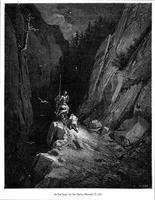
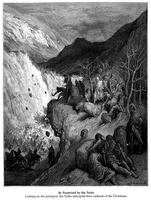
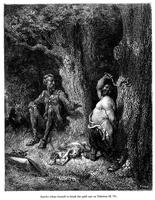
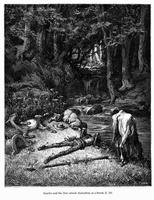
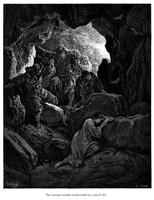
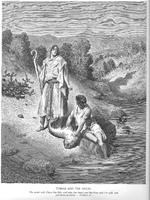
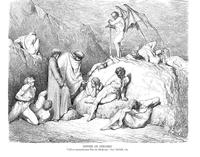
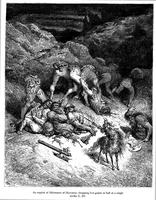
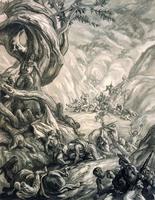
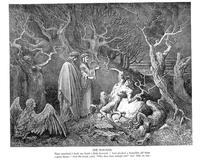
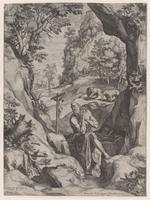
Within the framework of Romanticism, Gustave Doré’s illustration for Miguel de Cervantes’s Don Quixote exemplifies the movement’s fascination with heroic individualism, emotional intensity, and the sublime. Doré’s mastery of dramatic chiaroscuro and intricate linework imbues the scene with a theatrical, almost cinematic energy—lifting the literary figure from the page into a visual realm of mythic grandeur. The rendering of Quixote, gaunt and angular, astride his bony Rocinante, captures the tension between noble delusion and stark reality, a core Romantic theme. As an illustration, the work is significant not only for its technical virtuosity but for its enduring ability to shape our collective visual imagination of Cervantes’s characters. Doré’s plates for Don Quixote (published in the 1860s) became definitive, influencing subsequent generations of artists and readers alike—solidifying the genre of literary illustration as a powerful vehicle for Romantic expression.