
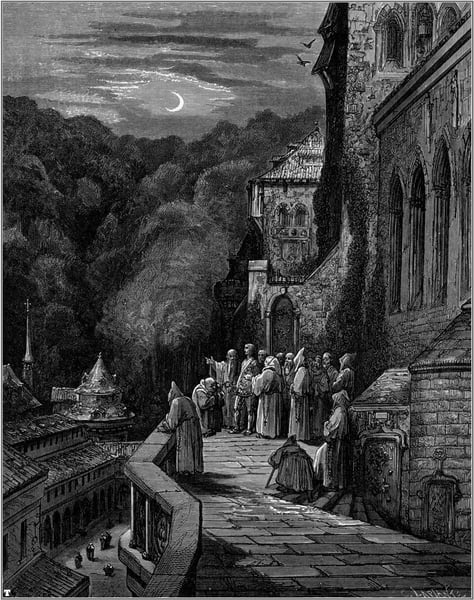
Expertenanalyse zu Gustave Dores Orlando Furioso
Stil: Romanticism · Genre: illustration
As an expert in art history, I will analyze "Orlando Furioso" by Gustave Doré based solely on the provided facts: its Style (Romanticism) and Genre (illustration).
Significance within Romanticism: The work embodies the core Romantic ideals of intense emotion, individual heroism, and the sublime. By choosing to illustrate the epic poem Orlando Furioso, Doré taps into Romanticism’s fascination with medieval chivalry, fantastical adventure, and the turbulence of human passion—central themes of the literary source. The very act of creating a visual illustration for a narrative aligns with Romanticism’s belief in the unity of the arts, where painting and poetry work together to evoke powerful, subjective experiences. The dramatic, often chiaroscuro lighting and dynamic composition typical of Doré’s prints would heighten the Romantic sense of conflict and wonder, making the scene feel both grand and deeply personal.
Significance as an Illustration: In the genre of illustration, Doré’s work stands out for elevating the form from mere accompaniment to a standalone artistic achievement. This piece demonstrates how illustration can serve not only as a visual footnote to literature but as a primary vehicle for Romantic expression. The detailed, often sprawling scenes capture the narrative’s epic scale while focusing on decisive, emotionally charged moments. Doré’s skill at translating the written word into a vivid, atmospheric image—full of dramatic tension and fantastical detail—made his illustrations iconic and highly influential, shaping how later audiences imagined the literary characters and events. In this context, "Orlando Furioso" exemplifies how illustration became a respected medium for Romantic artists to explore grand themes of love, madness, and adventure.
Visuell ähnlich
20 Werke mit ähnlicher Komposition und Farbpalette
Crusaders Throwing Heads into Nicaea
Gustave Dore
Stage design for Richard Wagner's opera "lohengrin", Act 2, dawn
Alfred Roller
Benediction
Gustave Dore
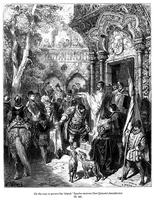
Don Quixote
Gustave Dore
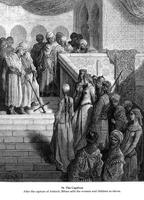
The Captives
Gustave Dore
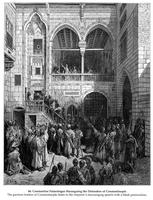
Constantine Palaeologus Haranguing the Defenders of Constantinople
Gustave Dore
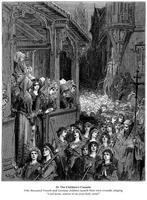
The Children's Crusade in 1212
Gustave Dore
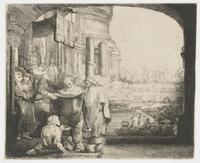
Peter and John healing the cripple at the gate of the Temple
Rembrandt
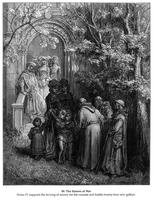
The Sinews of War
Gustave Dore
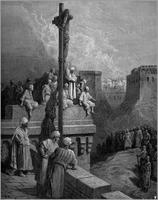
Gerard of Avesnes exposed on the walls of Arsuf
Gustave Dore
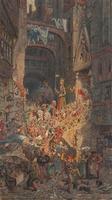
Der Karneval
Georg von Rosen
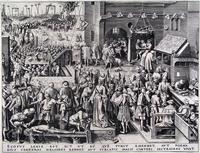
Justice
Pieter Bruegel the Elder
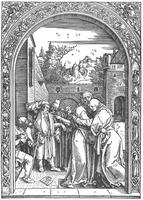
The Meeting of Joachim and Anne at the Golden Gate
Albrecht Durer
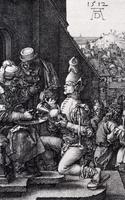
Pilate Washing his Hands
Albrecht Durer
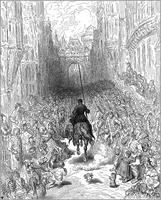
Orlando Furioso
Gustave Dore
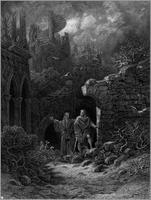
Idylls of the King
Gustave Dore
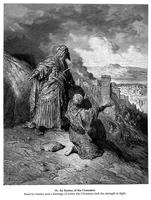
An Enemy of the Crusaders
Gustave Dore
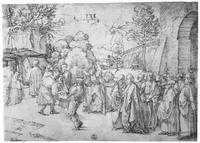
Christ
Albrecht Durer
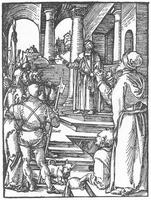
Christ before Pilate
Albrecht Durer
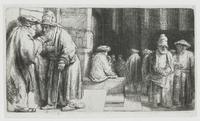
Pharisees in the Temple (Jews in the synagogue)
Rembrandt