Gustave Dore sanatçısının People Mourn over the Destruction of Jerusalem eseri hakkında uzman analizi
Tarz: Romanticism · Tür: religious painting
Expert Art Historical Analysis
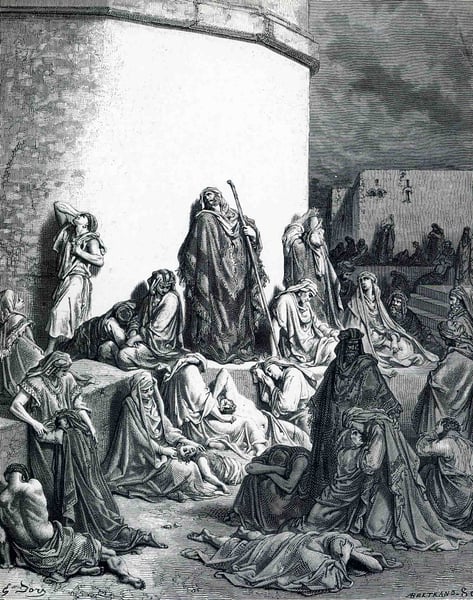
Gustave Doré’s People Mourn over the Destruction of Jerusalem stands as a quintessential example of Romantic religious painting, where the sublime terror of divine judgment meets profound human grief. The work’s significance lies in how Doré synthesizes the epic scale of a biblical catastrophe with intensely personal anguish, a hallmark of Romanticism’s emphasis on emotion and the individual’s experience of overwhelming forces.
Dramatic Composition and Emotional Intensity
Doré employs a sweeping, chaotic composition typical of Romantic history painting. The viewer is drawn into a scene of mass despair: figures huddle, wail, and collapse amidst the smoldering ruins of the Temple and city walls. The artist masterfully contrasts the dark, billowing smoke and jagged rubble with isolated bursts of light—perhaps a last ray of divine mercy or the glow of fire—heightening the sense of hopelessness. This chiaroscuro technique, reminiscent of Rembrandt but more theatrical, amplifies the emotional stakes: each mourner’s gesture (clutched hands, upturned faces, prostrate bodies) becomes a micro-narrative of loss.
Religious and Romantic Sublime
The painting transcends mere illustration of a historical event (the Roman siege of Jerusalem in 70 CE) by tapping into the Romantic concept of the sublime—a mix of awe, terror, and beauty in the face of overwhelming power. Doré transforms religious subject matter into a meditation on divine wrath and human suffering. The scale of the destruction dwarfs the figures, yet their individualized mourning ensures the viewer never loses sight of personal tragedy. This duality—vast catastrophe and intimate sorrow—gives the work its enduring power.
Significance Within Doré’s Oeuvre and Romanticism
While Doré is best known for his illustrations of Dante, Milton, and the Bible, this painting exemplifies his ability to make religious narratives feel immediate and visceral. It reflects Romanticism’s shift away from serene, idealized biblical scenes toward raw, psychological intensity. The work also anticipates later 19th-century trends, such as Symbolism and Expressionism, in its prioritization of mood over literal accuracy. By focusing not on the conquerors but on the mourning people, Doré emphasizes the human cost of cataclysm—a poignant, universal theme that resonates far beyond its religious context.
Görsel olarak benzer
İlişkili kompozisyon ve renk paletine sahip 20 eser
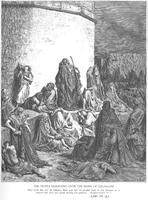
The People Mourning over the Ruins of Jerusalem, Lamentations 1:1-2
Gustave Dore
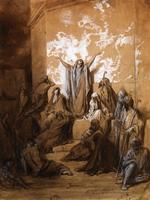
Jeremiah Preaching to His Followers
Gustave Dore
David Mourns the Death of Absalom
Gustave Dore
The Plague of Jerusalem
Gustave Dore
Deborah, engraved by Ettlin
Gustave Dore
Ezra Reads the Law to the People
Gustave Dore
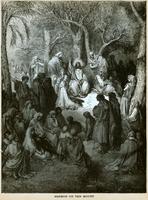
Sermon on the Mount
Gustave Dore
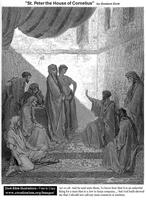
St.Peter In The House Of Cornelius
Gustave Dore
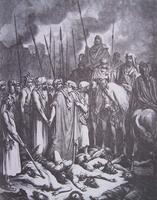
Josué épargne Rahab
Gustave Dore
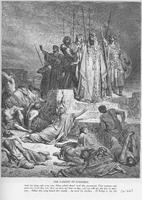
A Famine in Samaria
Gustave Dore
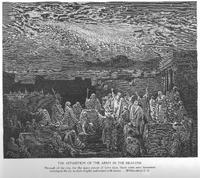
The Army Appears in the Heavens
Gustave Dore
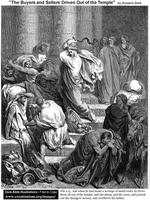
The Buyers And Sellers Driven Out Of Temple
Gustave Dore
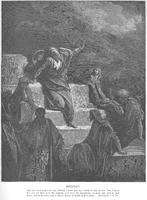
The Prophet Jeremiah
Gustave Dore
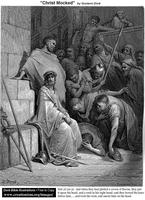
Christ Mocked
Gustave Dore
The Envious
Gustave Dore
Jesus Blessing the Children
Gustave Dore
The Martyrdom of Eleazar the Scribe
Gustave Dore
Don Quixote
Gustave Dore
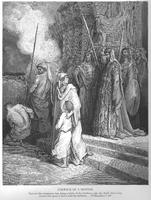
The Courage of a Mother
Gustave Dore
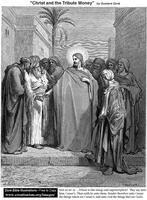
Christ And The Tribute Money
Gustave Dore