
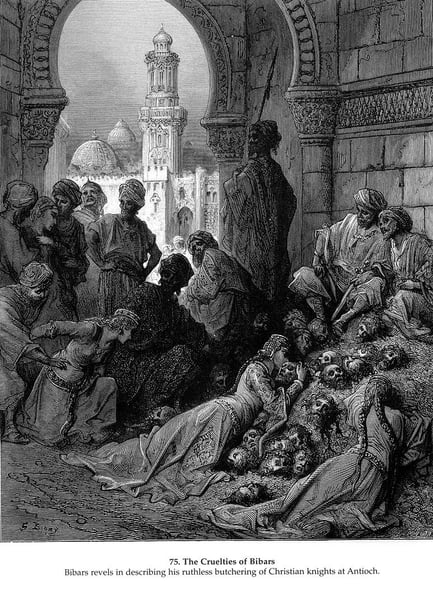
Gustave Dore sanatçısının The Cruelties of Bibars eseri hakkında uzman analizi
Tarz: Romanticism · Tür: illustration
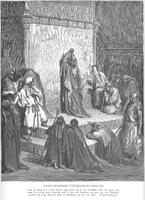
Expert Analysis: The Cruelties of Bibars by Gustave Doré
As a key work within the Romantic movement and the genre of illustration, The Cruelties of Bibars exemplifies Gustave Doré’s mastery of dramatic narrative and emotional intensity. The subject—likely drawn from historical accounts of the Mamluk sultan Baibars, known for his military campaigns and alleged atrocities—aligns with Romanticism’s fascination with the exotic, the violent, and the sublime. Doré transforms a historical episode into a visceral tableau, using stark contrasts of light and shadow (chiaroscuro) to heighten the sense of terror and moral weight. The composition forces the viewer to confront the chaos of cruelty, with writhing figures and dramatic gestures that evoke both physical suffering and psychological dread.
What makes this work significant within its style and genre is Doré’s ability to elevate book illustration into a powerful, autonomous art form. In the Romantic era, illustration was often dismissed as secondary to painting, but Doré’s meticulous detail, theatricality, and dark Romantic sensibility give the scene a monumental gravity. The work also reflects Romanticism’s critique of power and its interest in the grotesque—not as mere spectacle, but as a means to explore human nature and historical trauma. Doré’s influence here extends beyond his own time; his narrative-driven, emotionally charged style would later inspire filmmakers and graphic novelists, cementing The Cruelties of Bibars as a landmark of visual storytelling.
Görsel olarak benzer
İlişkili kompozisyon ve renk paletine sahip 20 eser
Arrival at Cairo of Prisoners of Minich
Gustave Dore
The Emir's Head Shown in the Seraglio
Gustave Dore
Crusaders Throwing Heads into Nicaea
Gustave Dore
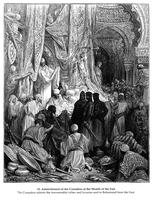
Astonishment of the Crusaders at the Wealth of the East
Gustave Dore
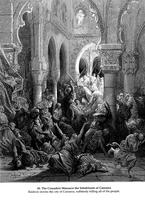
The Crusaders massacre the inhabitants of Caesarea
Gustave Dore
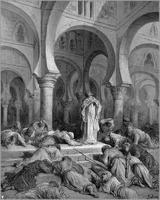
Invocation to Muhammad
Gustave Dore
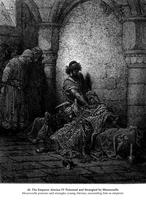
The Emperor Alexius IV Poisoned and Strangled by Mourzoufle
Gustave Dore
Jesus Blessing the Children
Gustave Dore
Sermon on the Mount
Gustave Dore
Cairo Slave Market
Maurycy Gottlieb
Dancer and favorites
Alfred Dehodencq
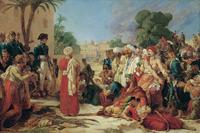
Bonaparte in Cairo
Pierre-Narcisse Guerin
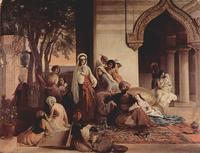
The new favorite (Harem scene)
Francesco Hayez
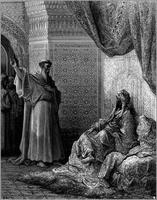
St. Francis of Assisi
Gustave Dore
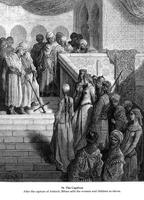
The Captives
Gustave Dore
Christ driving the moneychangers from the Temple
Rembrandt
Moorish dancers
Theodore Chasseriau
Harbour in Constantinople
Karl Bryullov
Toledo's gates
Achille Zo
David Mourns the Death of Absalom
Gustave Dore