Gustave Dore sanatçısının The Inferno, Canto 34 eseri hakkında uzman analizi
Tarz: Romanticism · Tür: illustration
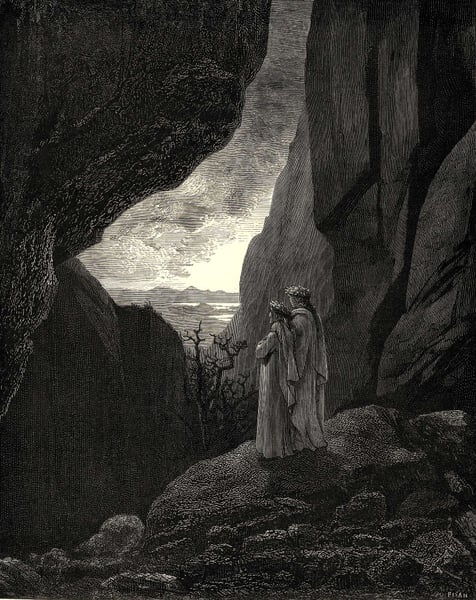
Expert Analysis: The Inferno, Canto 34 by Gustave Doré
Gustave Doré’s The Inferno, Canto 34 stands as a masterwork of Romantic illustration, epitomizing the era’s fascination with the sublime, the grotesque, and the emotional extremes of human experience. Created as part of his 1861 illustrated edition of Dante Alighieri’s Divine Comedy, this engraving captures the poem’s final, most harrowing circle of Hell—the icy pit of Judecca, where Satan himself is imprisoned.
Significance within Romanticism: Doré’s treatment of this scene embodies the Romantic ideal of the sublime—a terrifying, awe-inspiring force that overwhelms the senses. The composition plunges the viewer into a vast, cavernous space, dwarfed by colossal rock formations and the monumental, three-headed figure of Lucifer. Doré uses dramatic chiaroscuro (deep shadows against stark, flickering light) to heighten the emotional intensity, a hallmark of Romantic printmaking. The turbulent, expressive linework and the cosmic scale of despair directly echo the movement’s preoccupation with individual confrontation with the infinite and the monstrous.
Significance within the illustration genre: As an illustration, Doré’s work transcended mere accompaniment to text; it became a definitive visual translation of Dante’s poetry. His meticulous cross-hatching and architectural ambition give the fantastic scene a tangible, almost geological realism, making the allegorical world feel documentative. This combination of literary fidelity and theatrical grandeur redefined the role of book illustration, elevating it to a high art form that could stand independently. Doré’s Inferno engravings—especially Canto 34—influenced countless later visual narratives, from film to graphic novels, precisely because they marry narrative clarity with the raw, expressive power of Romanticism.
Görsel olarak benzer
İlişkili kompozisyon ve renk paletine sahip 20 eser
The Way to the Upper World
Gustave Dore
Ascent to the Fifth Circle
Gustave Dore
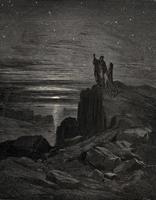
The Inferno, Canto 34
Gustave Dore
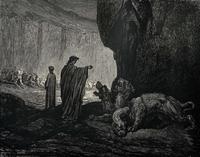
The Inferno, Canto 6
Gustave Dore
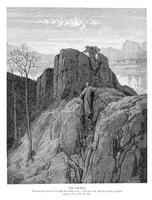
The Ascent
Gustave Dore
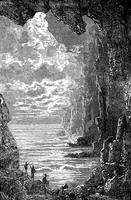
Journey to the Center of the Earth
Edouard Riou
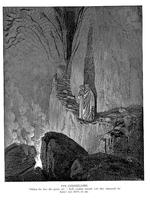
Evil Counsellors
Gustave Dore
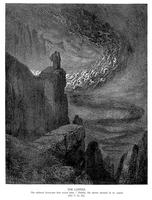
The Lustful
Gustave Dore
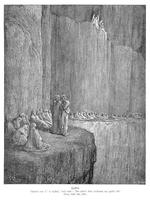
Sapia
Gustave Dore
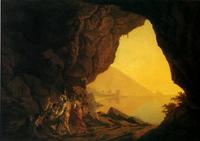
A Grotto in the Kingdom of Naples, with Banditti
Joseph Wright
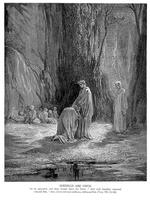
Sordello and Virgil
Gustave Dore
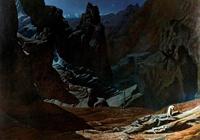
The Upas, or Poison-Tree, in the Island of Java
Francis Danby
Inferno Canto 3
Gustave Dore
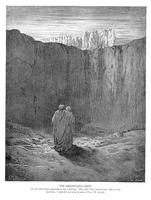
The Mountain's Foot
Gustave Dore
The Lonely Tower
Samuel Palmer
Twilight
Gustave Dore
Virgil and Dante
Gustave Dore
The Inferno, Canto 13
Gustave Dore
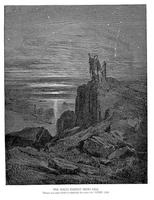
The Poets Emerge from Hell
Gustave Dore
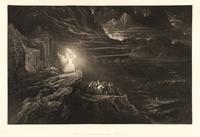
Moses Breaketh the Tables
John Martin