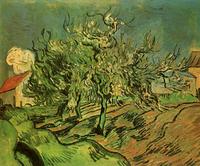
Expert Analysis of The Walk – Falling Leaves by Vincent van Gogh
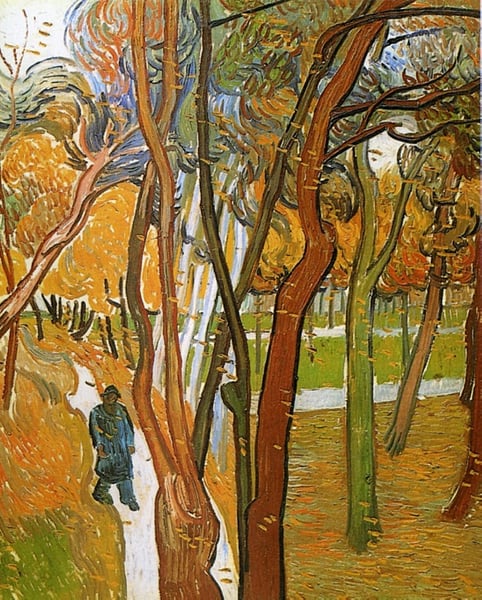
As a Post-Impressionist landscape, this work exemplifies Vincent van Gogh’s radical departure from naturalistic representation. The genre of landscape is transformed into a vehicle for emotional and psychological expression, a hallmark of his mature style.
Significance within Post-Impressionism:
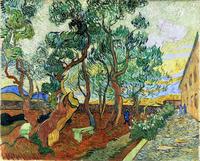
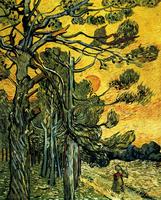
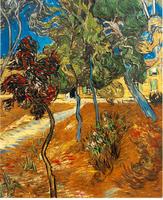
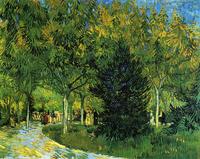
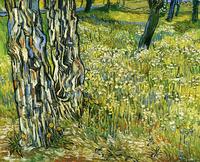
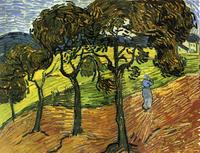
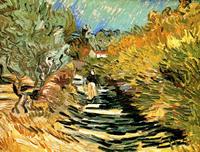
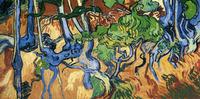
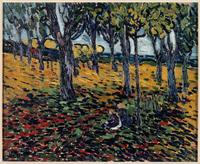
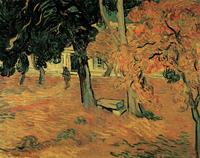
Van Gogh’s treatment of the falling leaves and the walk itself likely employs his signature thick, directional brushwork (impasto) to convey movement and the transient beauty of autumn. Rather than faithfully recording a scene, he distills the sensory experience—the rustle of leaves, the crisp air—into vivid, almost tactile color contrasts (e.g., warm ochres against cooler blues or greens). This aligns with Post-Impressionism’s rejection of Impressionist optical fidelity in favor of subjective emotion and symbolic meaning.
Why it matters:
- Emotional resonance: The falling leaves are not mere decorative motifs but metaphors for change, mortality, or the fleeting nature of life—themes van Gogh explored repeatedly.
- Technical innovation: The rhythmic, diagonal strokes used to depict falling leaves and wind-swept pathways anticipate Expressionist dynamism, influencing later 20th-century art.
- Genre redefinition: Van Gogh elevates a simple rural walk into a profound meditation on time and perception, proving that landscape could serve as a vehicle for the artist’s inner state—a key Post-Impressionist legacy.
In short, The Walk – Falling Leaves is significant not for its subject, but for how van Gogh’s expressive technique and symbolic overtones transform a landscape into a deeply personal, universal statement.