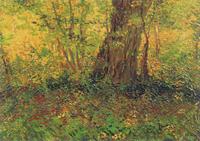
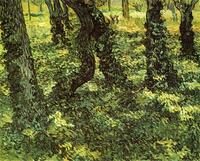
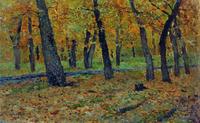
Expert Analysis: "Trees and Undergrowth" by Vincent van Gogh
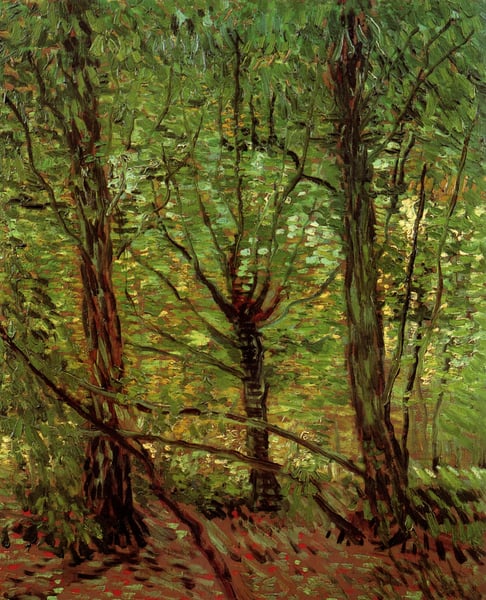
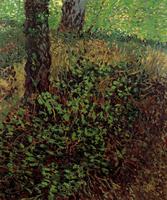
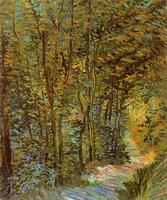
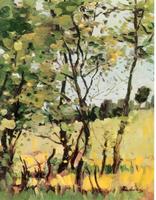
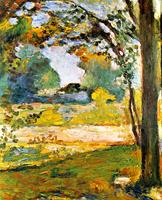
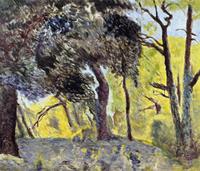
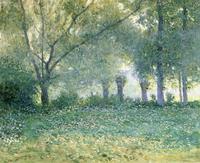
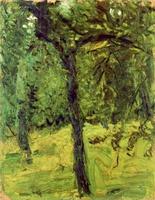
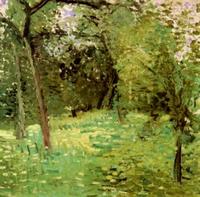
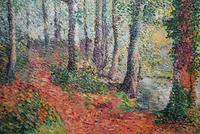
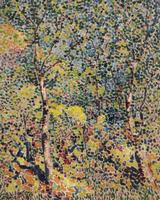
As a Post-Impressionist landscape, Trees and Undergrowth exemplifies van Gogh’s radical departure from naturalistic depiction in favor of emotional resonance and structural experimentation. The work transforms a humble forest floor into a vibrant tapestry of color and texture, using thick, directional brushstrokes that create a sense of rhythmic movement through the undergrowth. Van Gogh’s palette here—typically a synthesis of complementary colors (e.g., greens against reds or blues against oranges)—intensifies the visual energy, pushing landscape beyond mere representation toward a subjective, almost spiritual communion with nature.
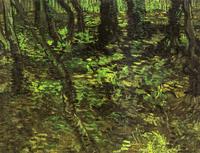
Within Post-Impressionism, this painting is significant for how it prioritizes the artist’s inner experience over optical accuracy. The tangled roots and foliage are not rendered descriptively but as a pattern of swirling marks that mimic the organic chaos of growth, while the light filtering through the trees becomes a vibrant force that binds the composition. This approach directly influenced later Expressionist and Fauvist explorations of nature as a vehicle for psychological expression, solidifying van Gogh’s role as a bridge between Impressionism and modernism.