Expert Analysis: "Vincent's Bedroom in Arles" (1888) – Vincent van Gogh
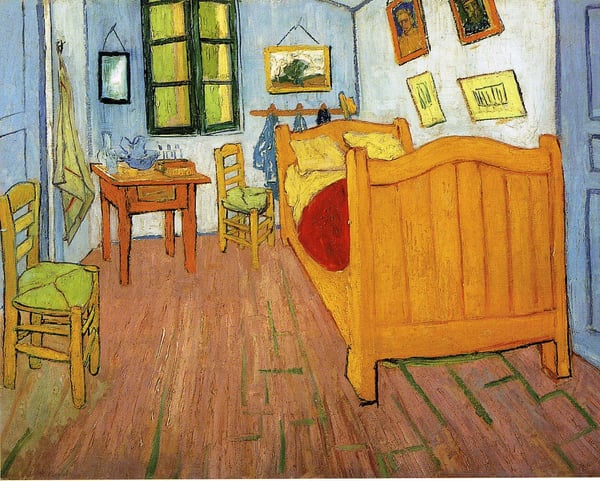
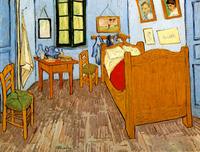
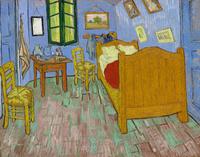
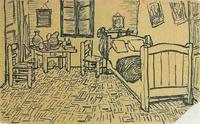
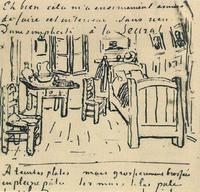
This painting, an interior scene from van Gogh’s Post-Impressionist period, is significant for its radical departure from traditional representation of domestic space. Instead of aiming for photographic accuracy, van Gogh distorts perspective, flattens forms, and applies thick, expressive brushstrokes to convey emotional truth and psychological intensity.
The jarring, tilted floor and skewed walls create a sense of instability, while the vivid, unnatural colors—the deep blue of the walls, the bright yellow of the bed and chairs—exaggerate the room’s atmosphere. This use of color as an emotional and symbolic tool is a hallmark of Post-Impressionism, moving beyond mere visual recording. The painting also reflects van Gogh’s desire to express “rest” and “sleep” through the interplay of complementary colors, transforming a humble interior into a charged, personal sanctuary. Its significance lies in how it redefines the interior genre: not as a passive study of space, but as a dynamic expression of the artist’s state of mind.