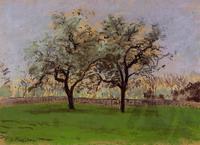
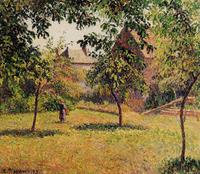
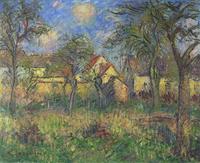
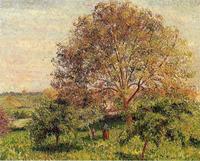
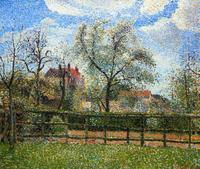
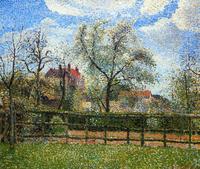
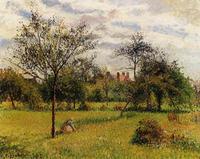
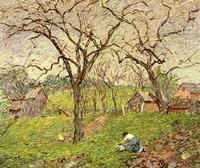
Expert Analysis: "Chestnut Trees, Louveciennes, Spring" by Camille Pissarro
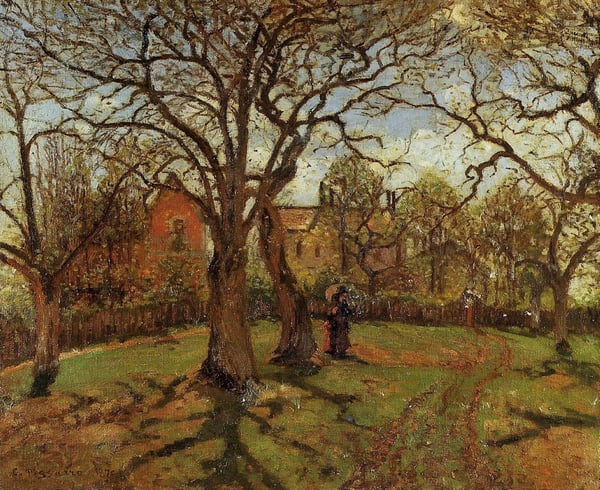
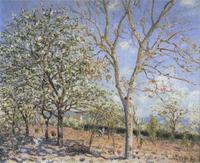
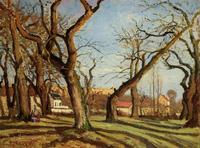
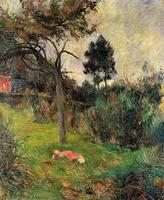
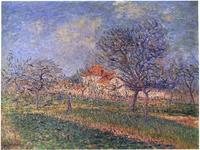
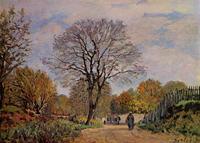
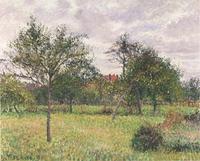
As an Impressionist landscape, this work exemplifies the movement’s revolutionary approach to capturing fleeting atmospheric effects and the transient beauty of nature. Pissarro, a central figure in the Impressionist circle, chose the village of Louveciennes—a favored locale for plein-air painting—to render the chestnut trees in spring.
The painting’s significance lies in its quintessential Impressionist techniques: loose, visible brushstrokes that convey the shimmering play of light filtering through new foliage, and a bright, high-key palette that captures the freshness of the season. Rather than a detailed, static depiction, Pissarro prioritizes the sensation of a moment—the dappled sunlight, the soft breeze, and the vibrant rebirth of nature. This emphasis on optical experience over narrative or academic finish marks a radical departure from earlier landscape traditions, aligning with Impressionism’s core mission to record the ever-changing visual world directly from observation.
Within the period, Pissarro’s commitment to rural scenes and working-class harmonies also roots the piece in the movement’s broader interest in modern life and the natural environment as a subject worthy of serious artistic study.