
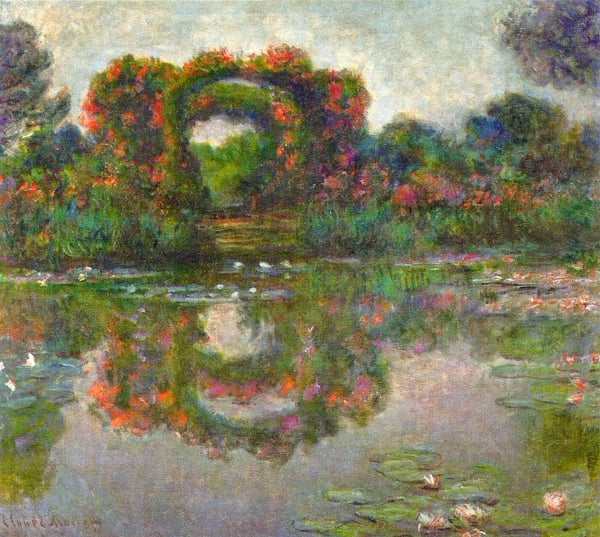
Claude Monet sanatçısının Rose Flowered Arches at Giverny eseri hakkında uzman analizi
Tarz: Impressionism · Tür: landscape
Expert Art Historical Analysis: "Rose Flowered Arches at Giverny" by Claude Monet
Claude Monet’s Rose Flowered Arches at Giverny is a quintessential Impressionist landscape that demonstrates the artist’s lifelong obsession with capturing the transient effects of light, atmosphere, and color in his own garden. Painted during his later years at Giverny, this work belongs to a celebrated series where Monet transformed his private horticultural sanctuary into an outdoor studio, immersing himself in the play of sunlight on foliage, blossoms, and man-made structures.
Significance within Impressionism:
Monet, as a founding father of Impressionism, broke from academic conventions by prioritizing perceptual truth over idealized form. In this painting, the rose-covered arches become a lattice of shimmering color—pinks, reds, greens, and purples—built from rapid, broken brushstrokes that dissolve solid outlines. The arches themselves are not rigid architectural elements but porous, almost living frameworks that blend into the surrounding air and vegetation. This dissolution of form was radical: Monet sought to depict not the object itself, but the optical experience of seeing it at a specific moment under particular lighting conditions.
Genre and Composition:
Though classified as a landscape, the painting blurs the boundary between garden architecture and natural growth. The arched trellises guide the viewer’s eye into deep space, creating a tunnel-like perspective that leads toward a luminous, hazy background. This sense of depth is achieved entirely through color temperature and value contrast—dappled shadows of violet and blue give way to warm, sunlit yellows and greens. Monet’s palette here is both intense and subtly modulated, with complementary hues (red-violet roses against green foliage) vibrating to produce the sensation of sunlight flickering through petals and leaves.
Place in Monet’s Oeuvre:
Works like Rose Flowered Arches at Giverny mark Monet’s late period, when he had largely abandoned anecdotal or narrative content in favor of pure sensory immersion. The garden at Giverny was his greatest masterpiece, and these paintings are not mere records of flowers but meditations on time, memory, and the ephemeral beauty of nature. By repeating similar motifs—arches, water lilies, weeping willows—Monet pushed Impressionism toward abstraction, influencing generations of modernists.
In summary, Rose Flowered Arches at Giverny is significant for its radical handling of light and form within a domestic landscape, its emphasis on the subjective experience of color, and its role in Monet’s shift from recording reality to transcribing the very pulse of perception. It remains a luminous example of how Impressionism transformed the landscape genre into a mirror of the artist’s fleeting, passionate gaze.
Görsel olarak benzer
İlişkili kompozisyon ve renk paletine sahip 20 eser
Rose Arches at Giverny
Claude Monet

Water Lilies, The Clouds
Claude Monet
The Japanese Bridge 3
Claude Monet
Water Lilies
Claude Monet
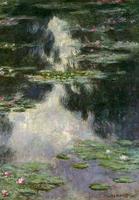
Water Lilies
Claude Monet
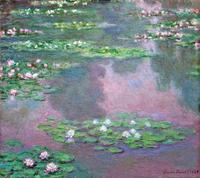
Water Lilies
Claude Monet
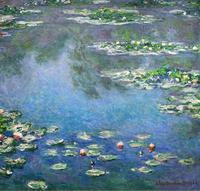
Water Lilies
Claude Monet
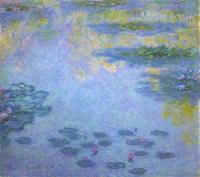
Water Lilies
Claude Monet
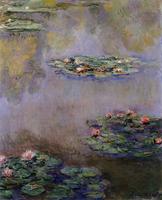
Water Lilies
Claude Monet
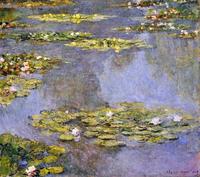
Water Lilies
Claude Monet
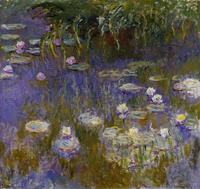
Water Lilies, Yellow and Lilac
Claude Monet
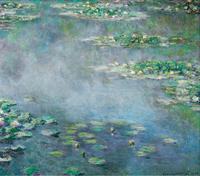
Water Lilies
Claude Monet
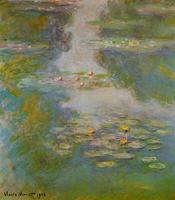
Water Lilies
Claude Monet
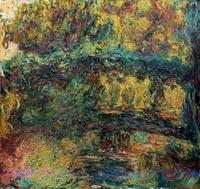
The Japanese Bridge
Claude Monet
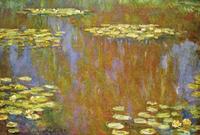
Water Lilies
Claude Monet
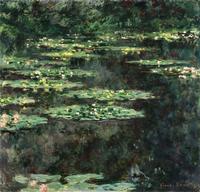
Water Lilies
Claude Monet
Water Lilies
Claude Monet
Water Lilies
Claude Monet
Water Lilies (Nympheas)
Claude Monet
Water Lilies
Claude Monet