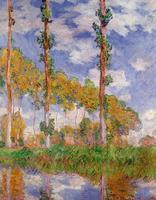
Expert Analysis: “The Banks of the River Epte in Springtime” by Claude Monet
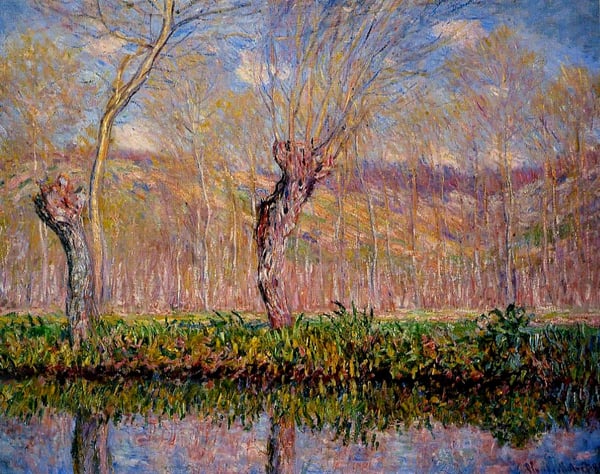
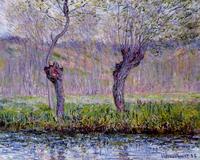
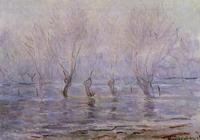
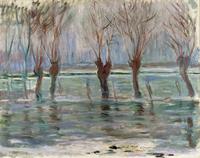
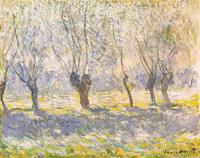
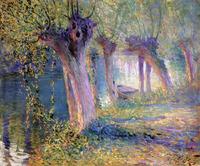
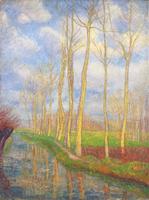
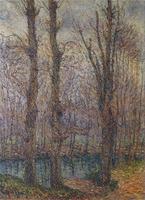
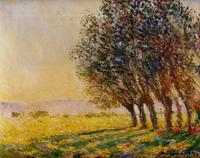
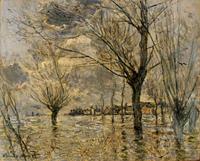
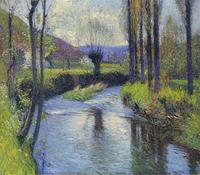
This painting exemplifies the core tenets of Impressionism—a movement that sought to capture the fleeting effects of light, atmosphere, and color rather than precise detail. Monet’s depiction of the River Epte near his home in Giverny is a masterful landscape study, typical of his commitment to painting en plein air (outdoors) to record immediate visual impressions.
Significance within Impressionism:
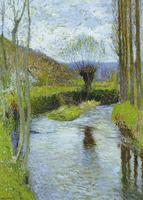
- Light and Color: Monet dissolves solid forms into shimmering patches of color. The springtime setting allows him to explore the interplay of warm sunlight with cool reflections on the water, using complementary hues (e.g., pale greens and lavender shadows) to create vibrancy.
- Brushwork: Loose, visible brushstrokes convey the movement of leaves, ripples, and breeze—emphasizing the ephemeral quality of a spring afternoon.
- Composition: The riverbank leads the eye diagonally, a typical Impressionist device that invites the viewer into a spontaneous, “snapshot” view of nature.
As a landscape from Monet’s mature period, this work demonstrates his lifelong fascination with water and light—themes that defined his revolutionary approach and cemented Impressionism’s break from academic tradition.