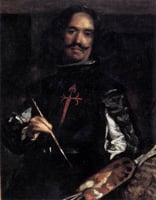
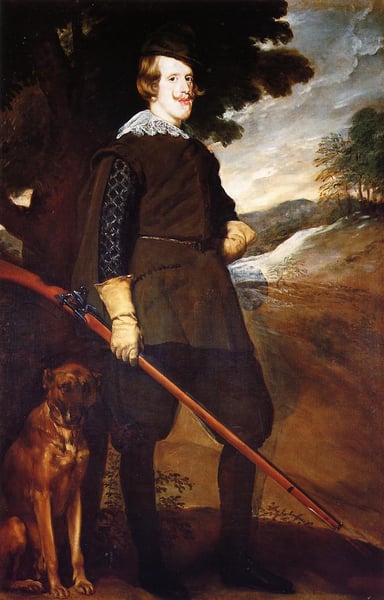
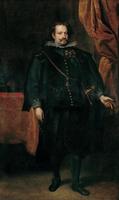
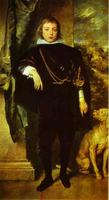
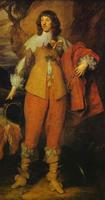
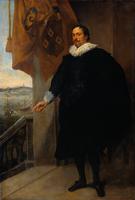
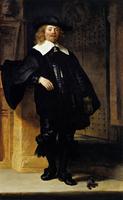
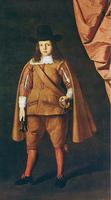
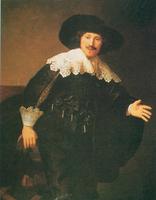
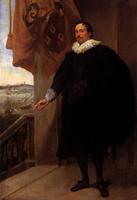
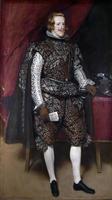
As a Baroque portrait by Diego Velázquez, Philip IV King of Spain exemplifies the period’s emphasis on dramatic realism and psychological depth. The work’s significance lies in how Velázquez transcends the traditional function of royal portraiture—mere documentation of power—by infusing the subject with a palpable sense of human presence. The Baroque style’s characteristic use of chiaroscuro and loose, expressive brushwork here serves not only to model the king’s features but to suggest the weight of his office and the subtleties of his character. This approach establishes Velázquez as a master who could simultaneously serve courtly expectations and advance painting toward a more naturalistic, intimate mode of representation—a hallmark that would influence generations of portraitists.