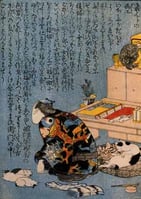
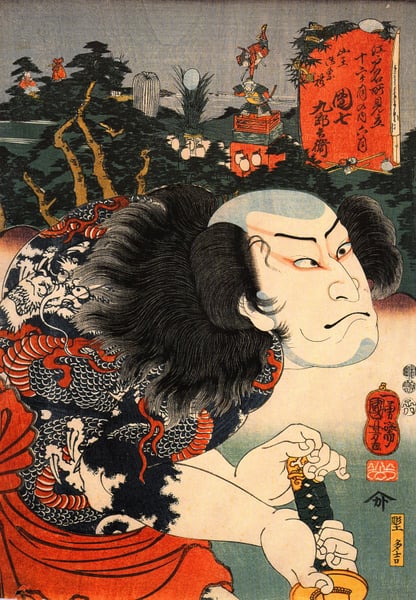
The actor
Expert analysis of Utagawa Kuniyoshi’s The actor
Style: Ukiyo-e · Genre: portrait
Expert Analysis of "The Actor" by Utagawa Kuniyoshi
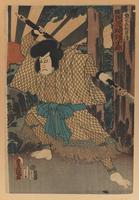
As an Ukiyo-e portrait, The Actor exemplifies Utagawa Kuniyoshi’s mastery of the genre during Japan’s Edo period (1603–1868). While the specific subject is not named, the work belongs to Kuniyoshi’s celebrated series of yakusha-e (actor prints), which capture the dynamic presence of Kabuki performers. What makes this piece significant within its style and period is twofold:
-
Expressive Line and Composition – Kuniyoshi breaks from the more placid, idealized depictions of earlier Ukiyo-e masters (such as Utamaro or Sharaku) by emphasizing dramatic, almost theatrical posture and facial expression. The actor’s pose and costume are rendered with bold, flowing senso (brush lines) that convey both the physicality of the stage and the psychological intensity of the role. This aligns with Kuniyoshi’s broader innovation of injecting movement and tension into a traditionally static genre.
-
Theatrical Realism and Symbolism – Unlike the highly stylized, mask-like faces of earlier actor prints, Kuniyoshi often infuses his portraits with individualized features and subtle emotional cues. Here, the actor’s gaze and slight twist of the body suggest a critical moment in a play, linking the print to a specific narrative tradition. The vibrant, flat colors (characteristic of nishiki-e multicolor woodblock printing) and intricate pattern work on the robe also serve to highlight the actor’s status as both a performer and a cultural icon, reflecting the growing popularity of Kabuki among the urban merchant class.
In the context of Kuniyoshi’s oeuvre, The Actor is a prime example of his ability to merge the conventions of Ukiyo-e portraiture with a modern sense of psychological depth and narrative drama—traits that would later influence Western artists such as Van Gogh and Whistler. It stands as a testament to the vitality of Edo-period print culture and the enduring appeal of Kabuki as a subject.
Visually similar
20 works with related composition and palette
The actor
Utagawa Kuniyoshi
The Miya Station
Hiroshige
Nakamura
Utagawa Kuniyoshi
The female demond
Utagawa Kuniyoshi
Nakamura Nakazo II as Prince Koretaka Disguised in the Play Ōshukubai Koi no Hatsune
Tōshūsai Sharaku
Nakamura Nakazō II, also called Sakaiya Shūkaku
Tōshūsai Sharaku
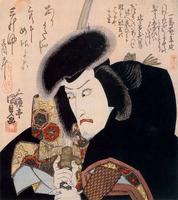
Ichikawa Danjuro VII as Iga-no Jutaro
Utagawa Kunisada
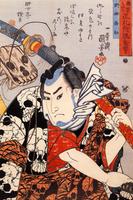
Nozarashi Gosuke carrying a long sword
Utagawa Kuniyoshi
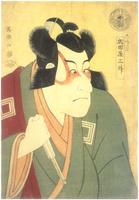
Ichikawa Danjūrō VI as Arakawa Tarō Takesada
Tōshūsai Sharaku
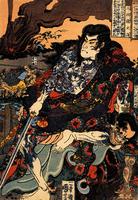
Kyumonryu Shinshin and Chokanko Chintasu
Utagawa Kuniyoshi
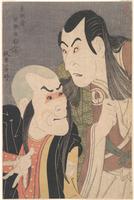
Sawamura Yodogorō II and Bandō Zenji as Kawatsura Hōgen and Onisadobō in the Play "Koinyōbō Somewake Tazuna"
Tōshūsai Sharaku
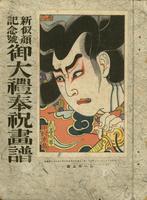
The actor Nakamura Tôzô V in the role of Susanoo no Mikoto
Natori Shunsen
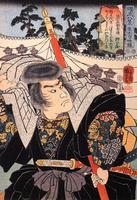
Vesper bell at Todaiji
Utagawa Kuniyoshi
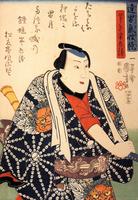
The actor
Utagawa Kuniyoshi
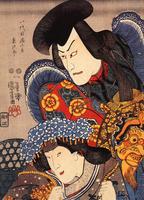
The actor
Utagawa Kuniyoshi
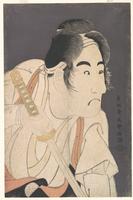
Bandō Mitsugorō II as Ishii Genzō in the Play "Hana Ayame Bunroku Soga"
Tōshūsai Sharaku
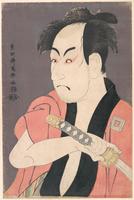
Ichikawa Omezō I in the Role of Yakko Ippei from the Play Koinyōbō Somewake Tazuna
Tōshūsai Sharaku
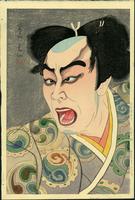
Matsumoto Koshiro as Watanabe no Tsuna
Natori Shunsen
The Kabuki Actor Kawaharazaki Gonjuro as Kagekiyo
Utagawa Kunisada
Kawarazaki Gonjuro and Kunitaro Hitomaru
Utagawa Kunisada