Expert Analysis:
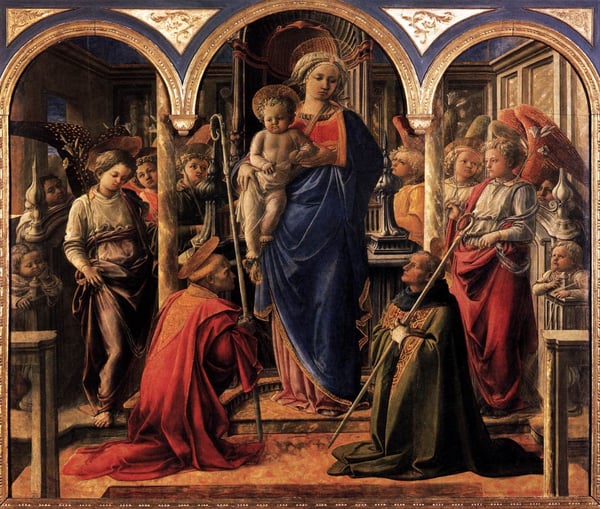
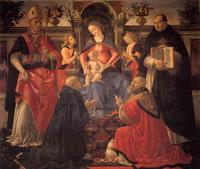
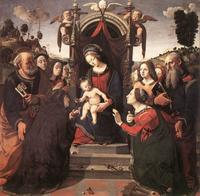
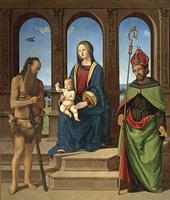
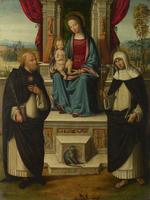
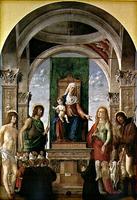
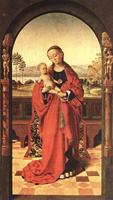
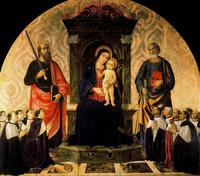
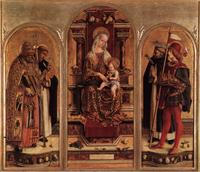
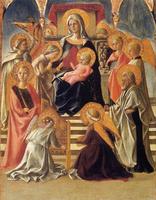
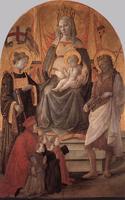
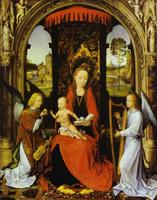
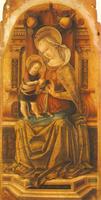
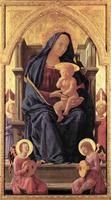
As an Early Renaissance religious painting by Filippo Lippi, "Madonna and Child with St. Fredianus and St. Augustine" exemplifies the period’s turn toward naturalism and humanized spirituality. The work is significant for its delicate balance between sacred solemnity and intimate warmth—a hallmark of Lippi’s approach. The inclusion of St. Fredianus (a local Luccan saint) and St. Augustine anchors the composition in both regional devotion and theological depth, while the Madonna and Child’s tender interaction reflects the Early Renaissance shift away from rigid Byzantine iconography toward softer, more relatable figures. The use of clear spatial organization and gentle modeling of light and shadow (chiaroscuro) demonstrates the era’s growing interest in perspective and three-dimensional form. Lippi’s palette, often noted for its subtle harmonies, likely enhances the ethereal yet grounded quality of the scene, making the divine accessible to earthly viewers. This work thus serves as a key example of how Early Renaissance artists integrated sacred narrative with emerging humanist ideals, setting the stage for later developments in Italian painting.