
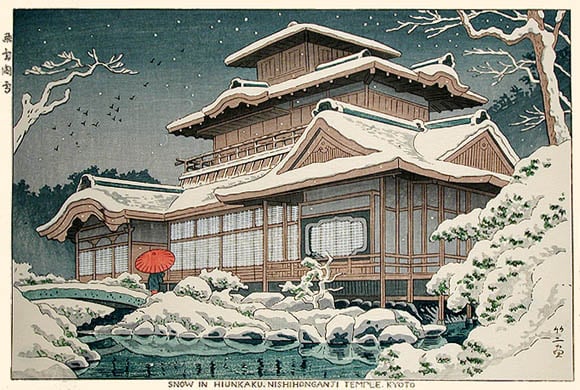
Analisi esperta di Snow at Hiunkaku Temple, Kyoto di Asano Takeji
Stile: Shin-hanga · Genere: cityscape
Analysis of "Snow at Hiunkaku Temple, Kyoto" by Asano Takeji
Asano Takeji’s Snow at Hiunkaku Temple, Kyoto is a quintessential example of the Shin-hanga (New Print) movement, which revitalized traditional ukiyo-e themes by integrating Western pictorial techniques such as naturalistic perspective, atmospheric effects, and subtle gradation of color. The work belongs to the cityscape genre, a favorite subject among Shin-hanga artists who sought to capture the quiet beauty of Japan’s urban and architectural landmarks in harmony with nature.
Significance within the Shin-hanga style:
- Melding tradition with modernity: Like other Shin-hanga masters, Asano Takeji collaborated with skilled carvers and printers to achieve luminous, nuanced prints. In this scene, the soft snowfall and delicate treatment of the temple’s wooden eaves showcase the movement’s hallmark balance between precise linework (inherited from ukiyo-e) and soft, painterly shading (influenced by Western watercolor and oil painting).
- Atmospheric serenity: The snow-covered grounds and muted palette of whites, blues, and greys evoke a contemplative stillness, emphasizing the Shin-hanga fascination with transient natural phenomena (snow, rain, moonlight) and the emotional resonance of a specific place.
- Preservation of cultural heritage: By depicting Hiunkaku Temple—an actual site in Kyoto—within the Shin-hanga framework, Asano elevates a local architectural treasure while employing a printmaking method that was itself a revival of a nearly lost craft. The artwork thus functions both as a nostalgic homage and a contemporary artistic statement.
Significance within the cityscape genre:
- Focused composition: The print directs the viewer’s eye through the snow-covered path toward the temple structure, using the diagonal roofline and bare trees to suggest depth. This compositional strategy is typical of Shin-hanga cityscapes, which often present familiar landmarks in fresh, introspective arrangements.
- Seasonal mood: Snow transforms the urban scene into a hushed, almost ethereal landscape, allowing Asano to explore how weather conditions alter perception of space and light—a central concern for Shin-hanga artists working in the cityscape tradition.
Overall, Snow at Hiunkaku Temple, Kyoto exemplifies Asano Takeji’s skill in synthesizing Japanese print lineage with early 20th-century naturalism, and it stands as a serene, masterful record of Kyoto’s winter ambiance within the broader Shin-hanga revival.
Visivamente simili
20 opere con composizione e palette affini
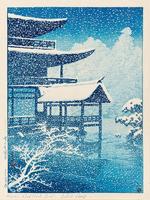
Snow on Lake
Hasui Kawase
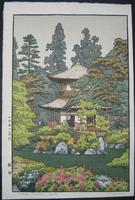
Silver Pavillion - Kyoto
Toshi Yoshida
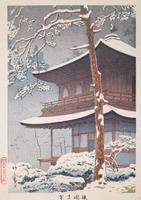
Snow at Ginkakuji
Asano Takeji
Garden in Summer
Hiroshi Yoshida
Print from Series Women's Customs and Manners
Ogata Gekko
Benzaiten Shrine at Inokashira in Snow
Hiroshige
Snow Scene at Sensô-ji Temple at Kinryûzan in the Eastern Capital
Keisai Eisen
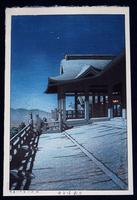
Self-Portrait at Kiyomizu Temple, Kyoto
Hasui Kawase
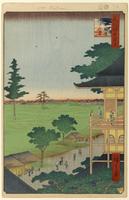
66 (70) The Sazaidō Hall at the Five Hundred Rakan Temple
Hiroshige
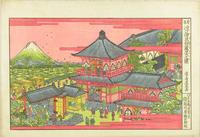
Untitled
Keisai Eisen
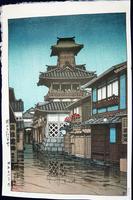
Bell Tower in the Rain at Okuyama
Hasui Kawase
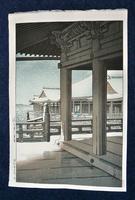
Snow Fall at Kiyomizu Temple, Kyoto
Hasui Kawase
A Garden in Okayama
Hiroshi Yoshida
Konjikido in Snow, Hiraizumi
Hasui Kawase

Kansau Shrine in Snow at Lake Tazawa
Hasui Kawase
View of mountains of Awa Province from Tsurugaoka, near Kamakura
Utagawa Toyokuni II
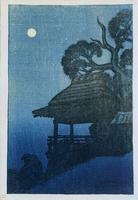
Evening Scene at Ishiyama Temple
Ito Shinsui
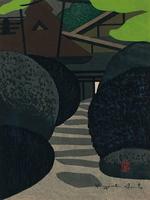
Shisen-do, Kyoto (B)
Kiyoshi Saito
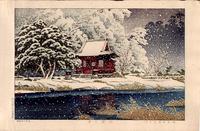
Snowy Inokashira, Benten
Hasui Kawase
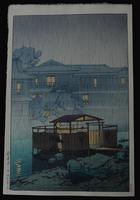
Rain at Shuzenji Spa
Hasui Kawase