
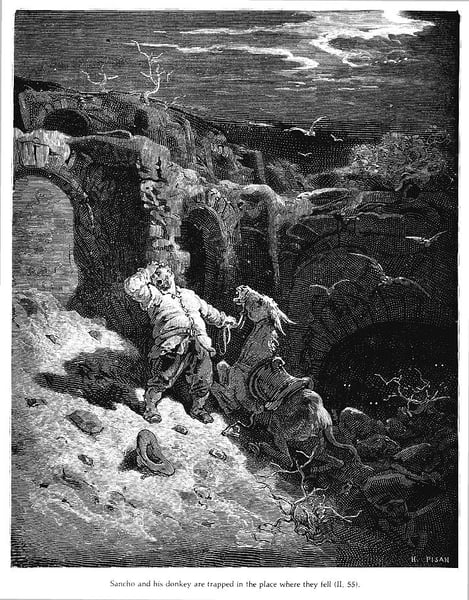
Expertenanalyse zu Gustave Dores Don Quixote
Stil: Romanticism · Genre: illustration
Based on the provided facts, Gustave Doré’s illustration of Don Quixote stands as a quintessential example of Romanticism’s embrace of dramatic emotion, heroic individualism, and the sublime. As an illustration, its significance lies not merely in depicting Cervantes’ narrative but in translating the novel’s complex tone—a blend of tragic grandeur and ironic folly—into a powerful visual language.
Significance within Romanticism:
-
Dramatic Chiaroscuro and Emotional Intensity: Doré’s engraved linework creates deep, velvety shadows and stark highlights, typical of Romantic printmaking. This technique amplifies the psychological weight of the scene, isolating Don Quixote in a world of light and darkness that mirrors his inner conflict between delusion and nobility. The dramatic contrasts evoke the Romantic fascination with the sublime—the awe-inspiring, often terrifying power of nature and the human spirit.
-
Emphasis on the Individual Against the Vast: The composition frequently places a small, gaunt Quixote against sprawling, windy landscapes or towering windmills. This scale reinforces the Romantic theme of the solitary individual—the “hero as a madman”—confronting an indifferent, overwhelming universe. Doré captures the knight’s absurd bravery as a deeply moving, almost tragic quest, a hallmark of Romanticism’s focus on intense personal emotion over classical restraint.
-
Symbolism and the Grotesque: Romantic artists often explored the grotesque as a means of expressing inner reality. Doré’s Quixote is exaggeratedly thin, his features sharp and gaunt, while Rocinante is skeletal and Sancho Panza is squat and comic. This stylization embodies the Romantic tension between the ideal (Quixote’s chivalric vision) and the real (the harsh, comical world he stumbles through). The illustration thus becomes a visual metaphor for Romanticism’s own preoccupation with the clash between imagination and reality.
Significance within the Illustration Genre:
-
Defining the Image of a Literary Icon: Doré’s illustrations for Don Quixote (published in the 1860s) became the definitive visual representation of the characters for generations. His detailed, atmospheric engravings did not just accompany the text; they interpreted and amplified it, shaping how readers worldwide imagined the Man of La Mancha. This set a new standard for illustrated literature, elevating book illustration from mere decoration to a profound artistic interpretation.
-
Technical Mastery in Engraving: Doré’s ability to render texture, atmosphere, and emotional depth in black-and-white line work was unparalleled. His illustration demonstrates the power of Romantic engraving to convey narrative tension, light effects, and psychological nuance without color—a technical feat that influenced countless later illustrators.
In summary, the significance of Doré’s Don Quixote lies in its fusion of Romantic sensibility with the illustration genre: it transforms a literary character into an enduring Romantic icon of noble madness, while showcasing engraving as a high art form capable of profound emotional and symbolic expression.
Visuell ähnlich
20 Werke mit ähnlicher Komposition und Farbpalette
Don Quixote
Gustave Dore
Don Quixote
Gustave Dore
Elijah Destroys the Messengers of Ahaziah
Gustave Dore
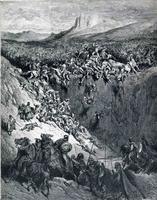
Samson Destroys the Philistines with an Ass' Jawbone
Gustave Dore
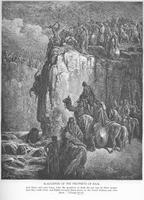
The Prophets of Baal Are Slaughtered
Gustave Dore
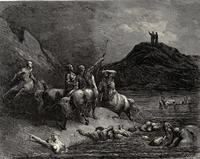
The Inferno, Canto 12
Gustave Dore
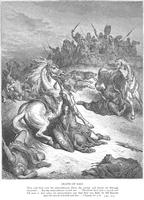
The Death of Saul
Gustave Dore
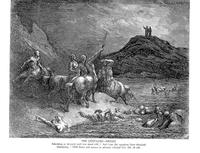
The Centaurs--Nessus
Gustave Dore
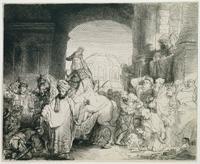
The triumph of Mordechai
Rembrandt
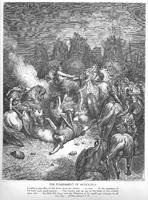
The Punishment of Antiochus
Gustave Dore
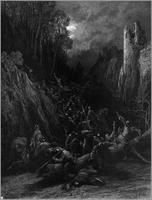
Idylls of the King
Gustave Dore
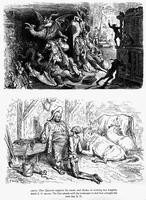
Don Quixote
Gustave Dore
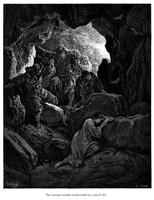
Don Quixote
Gustave Dore
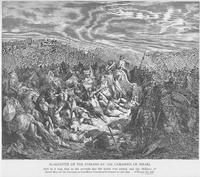
The Israelites Slaughter the Syrians
Gustave Dore
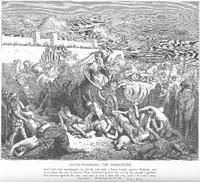
David Attacks the Ammonites
Gustave Dore
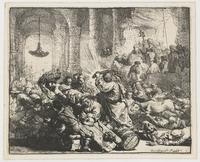
Christ driving the moneychangers from the Temple
Rembrandt
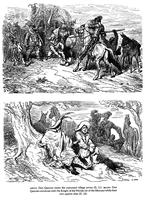
Don Quixote
Gustave Dore
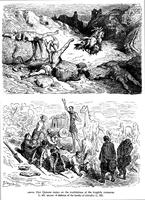
Don Quixote
Gustave Dore
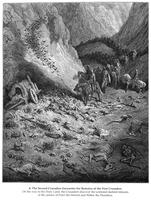
The army of the Second Crusade find the remains of the soldiers of the First Crusade
Gustave Dore
The Death of Korah, Dathan, and Abiram
Gustave Dore