The defining masterpieces of modern and contemporary art in New York
CE
Caleido Editorial Team2026年6月9日読了 25 分0 回表示
The Museum of Modern Art in New York City is the most influential modern art museum in the world. Since its founding in 1929, MoMA has shaped our understanding of what modern art is and can be. Its collection spans painting, sculpture, film, design, photography, and performance, representing the full creative revolution of the 20th and 21st centuries.
This guide presents 30 essential works you should not miss, from Van Gogh's swirling Starry Night and Picasso's groundbreaking Les Demoiselles d'Avignon to Warhol's iconic Campbell's Soup Cans and Monet's immersive Water Lilies. These works chart the course of modernism — from Post-Impressionism and Cubism through Abstract Expressionism, Pop Art, and beyond.
Use the checklist below to track which MoMA masterpieces you've seen in person.
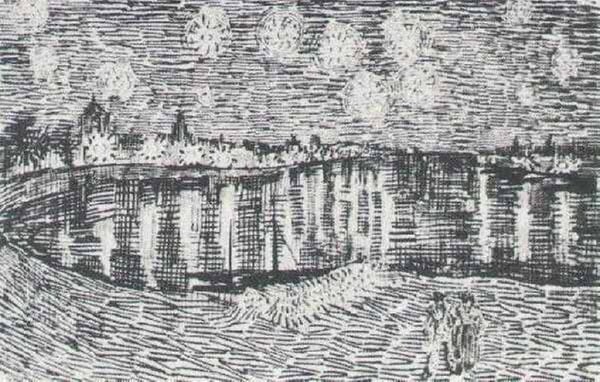
Vincent van Gogh · Post-Impressionism · sketch and study
The Starry Night, is an oil-on-canvas painting by the Dutch Post-Impressionist painter Vincent van Gogh. Painted in June 1889, it depicts the view from the east-facing window of his asylum room at Saint-Rémy-de-Provence, just before sunrise, with the addition of an imaginary village. It has been in the permanent collection of the Museum of Modern Art in New York City since 1941, acquired throug...
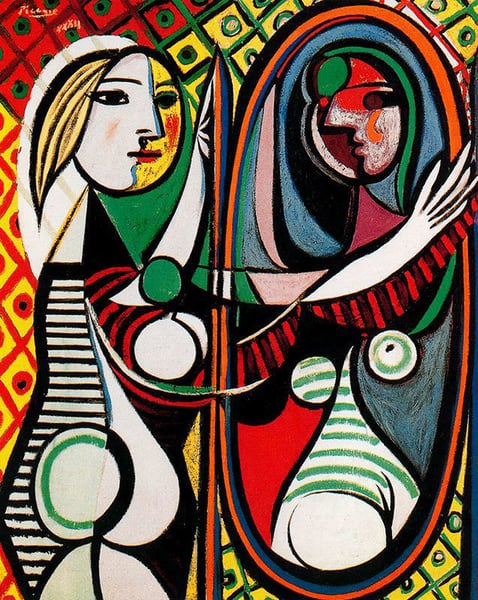
Les Demoiselles d'Avignon is a large oil painting created in 1907 by the Spanish artist Pablo Picasso. Part of the permanent collection of the Museum of Modern Art in New York, it portrays five nude female prostitutes in a brothel on Carrer d'Avinyó, a street in Barcelona, Spain. The figures are confrontational and not conventionally feminine, being rendered with angular and disjointed body sha...
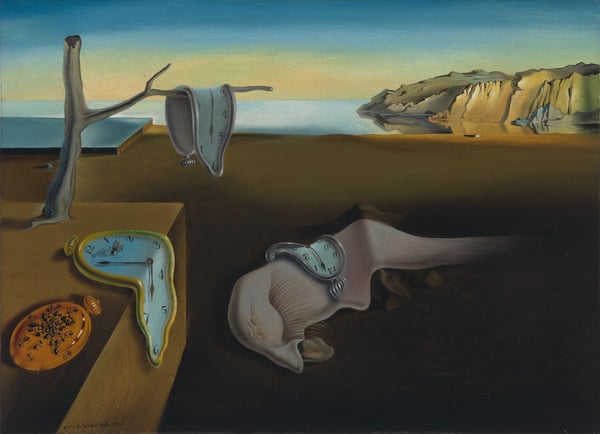
[i]The Persistence of Memory[/i] (1931) is one of the most iconic and recognizable paintings of [url href=https://www.wikiart.org/en/artists-by-art-movement/surrealism]Surrealism[/url]. Frequently referenced in popular culture, the small canvas (24x33 cm) is sometimes known as “Melting Clocks”, “The Soft Watches” and “The Melting Watches”. The painting depicts a dreamworld in which common objec...
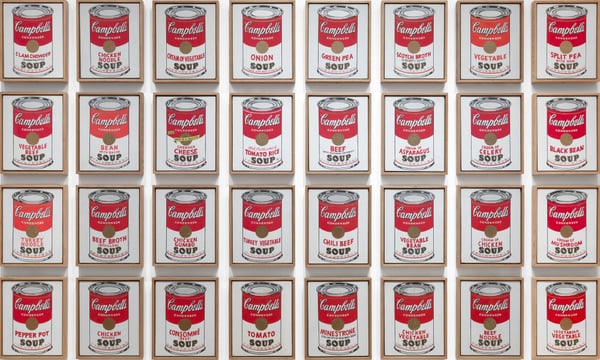
Campbell's Soup Cans is a series of 32 paintings produced by American artist Andy Warhol between 1961 and 1962. Each painting depicts a different variety of Campbell's soup cans in a uniform 20-by-16-inch format. First exhibited in July 1962 at the Ferus Gallery in Los Angeles, the works marked a breakthrough for Pop art and challenged traditional distinctions between fine art and commercial im...
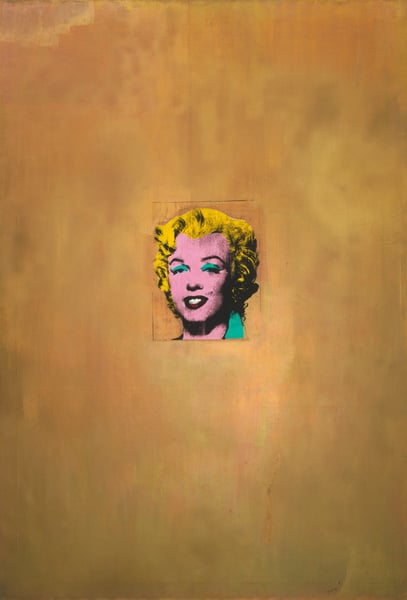
Gold Marilyn Monroe is a screenprint painting by Andy Warhol based on a photograph of the actress Marilyn Monroe's face centered on a large (6 ft 11 in (2.11 m) x 4 ft 9 in (1.45 m)) gold-painted canvas.[1][2] Warhol used silkscreen ink on synthetic polymer paint on canvas. It was completed in 1962, the same year as Monroe's death.[3] The image of Monroe is a direct copy of a close-up shot from...
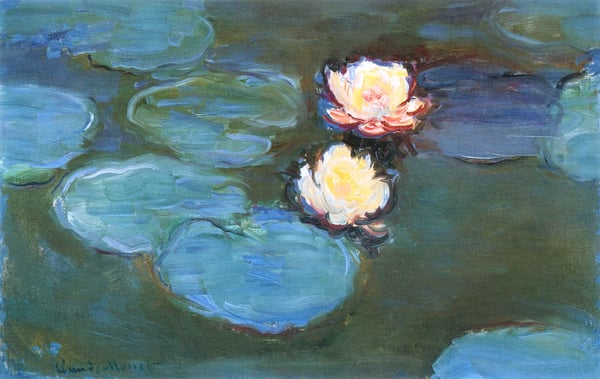
Water Lilies is a series of approximately 250 oil paintings by French Impressionist Claude Monet (1840–1926). The paintings depict his flower garden at his home in Giverny, and were the main focus of his artistic production during the last 31 years of his life. Many of the works were painted while Monet suffered from cataracts.
Andrew Wyeth · Contemporary Realism, Regionalism作品
Andrew Wyeth · Contemporary Realism, Regionalism · genre painting
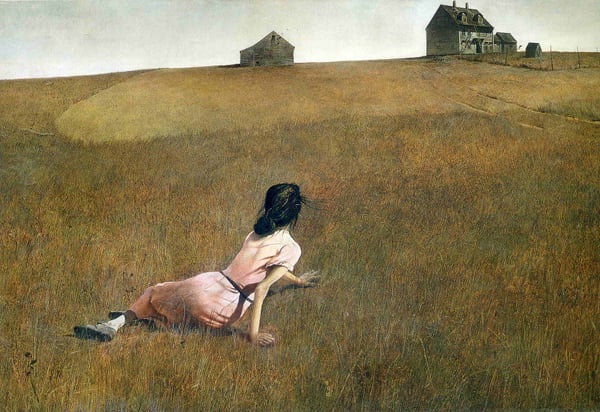
With her back to the viewer, Wyeth's subject Anna Christina Olson stares into the distance, looking out at her farmhouse in Cushing, Maine. Suffering from a degenerative muscular disease, Christina was unable to walk. Wyeth said that she was "limited physically but by no means spiritually" and that "the challenge was to do justice to her extraordinary conquest of a life which most people would ...
Henri Rousseau · Naïve Art (Primitivism) · genre painting
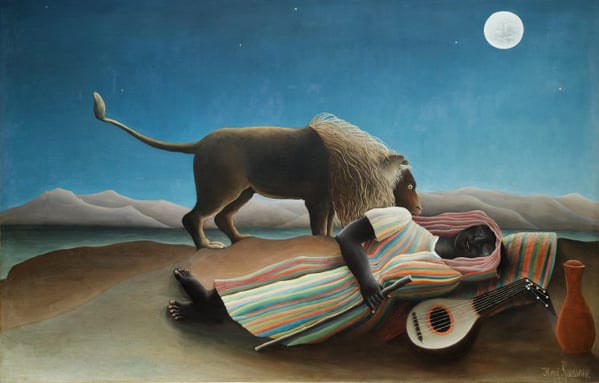
Rousseau described the subject of The Sleeping Gypsy: “A wandering Negress, a mandolin player, lies with her jar beside her (a vase with drinking water), overcome by fatigue in a deep sleep. A lion chances to pass by, picks up her scent yet does not devour her. There is a moonlight effect, very poetic.” A toll collector for the city of Paris, Rousseau was a largely self-taught painter, although...
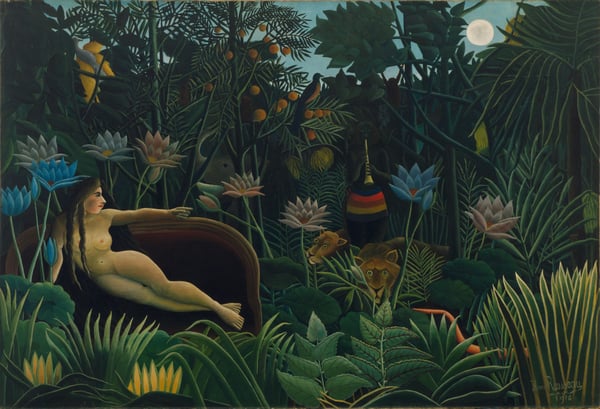
Henri Rousseau · Naïve Art (Primitivism) · allegorical painting
Created in the same year as his death, The Dream was Rousseau’s last painting, which was debuted only a few months before his untimely death. Upon its debut, Guillaume Apollinaire, referencing the negative reviews of previous years, exclaimed that this year, there would be no ridicule, as the painting exuded sheer beauty. With this piece, Rousseau brought together the exotic and the ordinary, t...
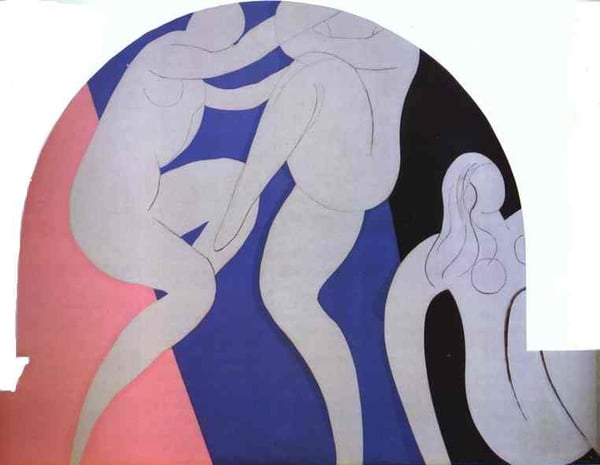
Dance (La Danse) is a painting made by Henri Matisse in 1910, at the request of Russian businessman and art collector Sergei Shchukin, who bequeathed the large decorative panel to the Hermitage Museum, in Saint Petersburg, where it hangs beside Music. The composition of dancing figures is commonly recognized as "a key point of (Matisse's) career and in the development of modern painting". A pre...
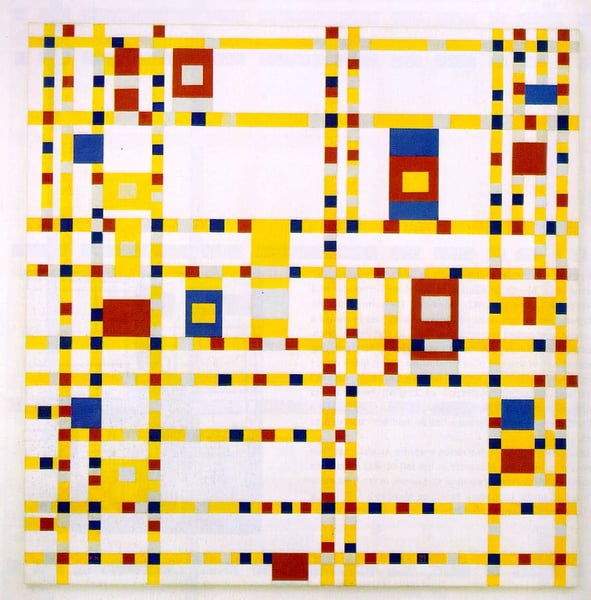
Considered Mondrian’s masterpiece, Broadway Boogie Woogie is a shimmering combination of multi-colored grid lines, complete with blocks of color, all in the primary palette. This piece represents another development in the unique style of the artist, which may have been the most profound. After the abandonment of representational forms in 1913 and the reconciliation of his spiritual concerns wi...
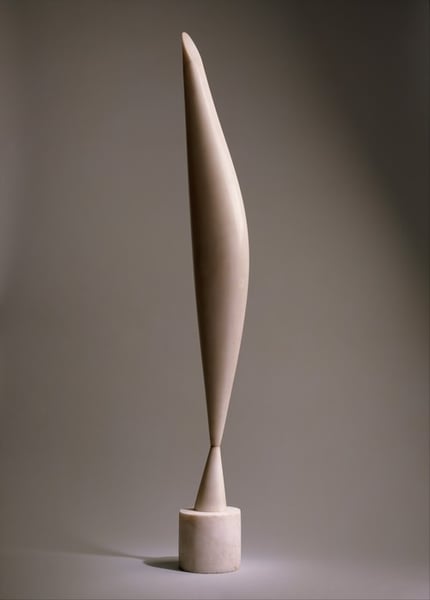
Bird in Space is a series of sculptures by Romanian sculptor Constantin Brâncuși. The original work was created in 1923 and made of marble. This sculpture is also known for containing seven marble figures and nine bronze casts. Brancusi created the piece over 14 times and in several mediums over a period of 20 years. It was sold in 2005 for $25.8 million, at the time a record price for a sculpt...
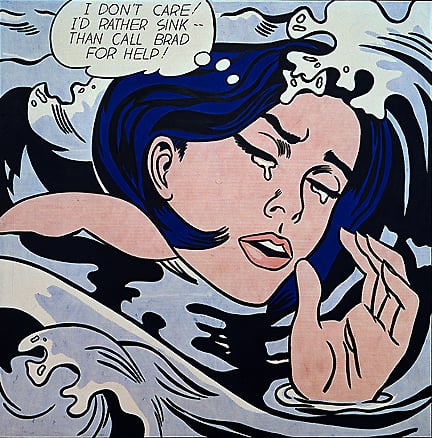
Drowning Girl is a 1963 American painting in oil and synthetic polymer paint on canvas by Roy Lichtenstein, based on original art by Tony Abruzzo. The painting is considered among Lichtenstein's most significant works, perhaps on a par with his acclaimed 1963 diptych Whaam!. One of the most representative paintings of the pop art movement, Drowning Girl was acquired by the Museum of Modern Art ...
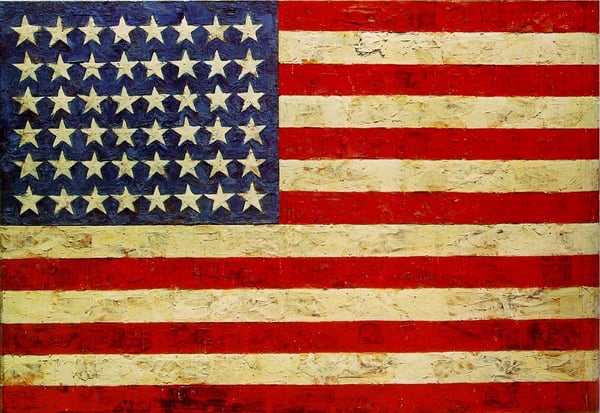
Flag is a symbolic painting by Jasper Johns from 1955, executed in the Pop Art style. The work depicts the American flag as its subject, rendered as a painted image rather than a functional object.
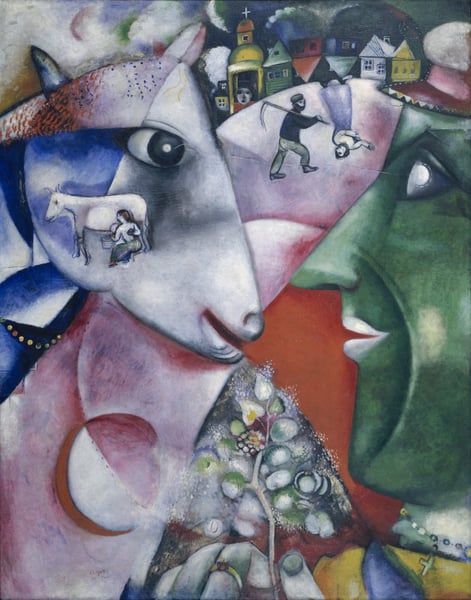
I and the Village is a 1911 oil-on-canvas painting by the Russian-French artist Marc Chagall created in 1911. It is exhibited at the Museum of Modern Art, New York.
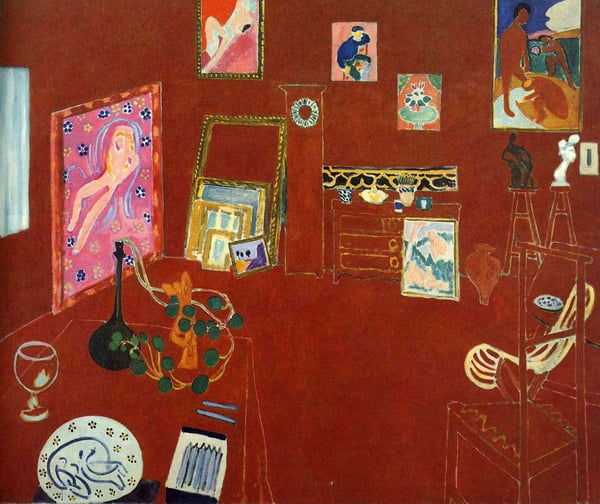
The Red Studio is an oil on canvas painting by French artist Henri Matisse from 1911. It is held in the collection of the Museum of Modern Art, in New York.
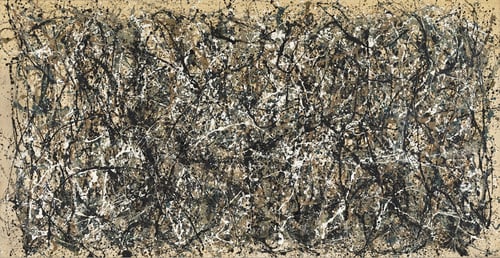
Number 1A, 1948 is a drip painting by Jackson Pollock created in 1948, exemplifying the abstract expressionist technique he developed during this period.
21
Three Musicians (1618)
Pablo Picasso作品
Diego Velazquez · Baroque · genre painting
Three Musicians is a Baroque genre painting by Diego Velázquez from 1618, depicting musicians in a domestic scene typical of seventeenth-century Spanish life.
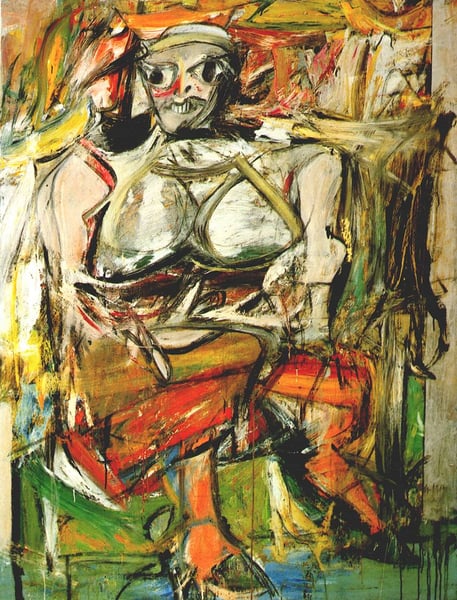
Willem de Kooning · Abstract Expressionism · portrait
'Woman I' is part of the 'Women' series that de Kooning presented at the Sidney Janis Gallery, causing controversy in the art world. The canvas is covered with vigorous, creamy, and silvery hues in a frenzy of vertical and horizontal gestures, from which a wide-eyed, large-breasted woman emerges, with blonde hair and a big smile. The figure appears constrained yet full of energy, and her taperi...
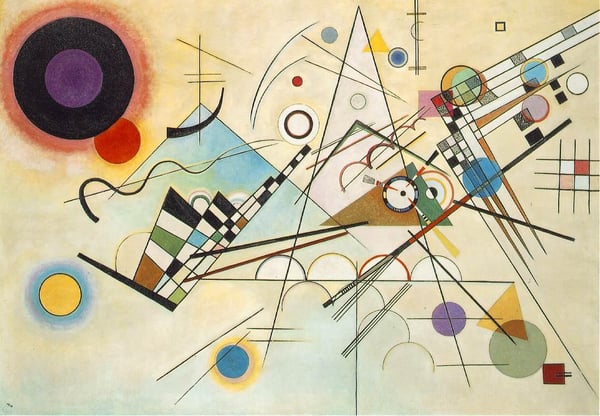
Composition VIII is an abstract work by Wassily Kandinsky from 1923. The painting employs geometric and non-representational forms characteristic of abstract art from that period.
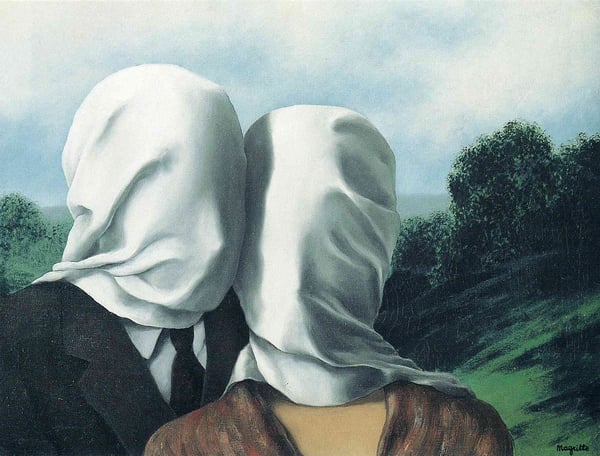
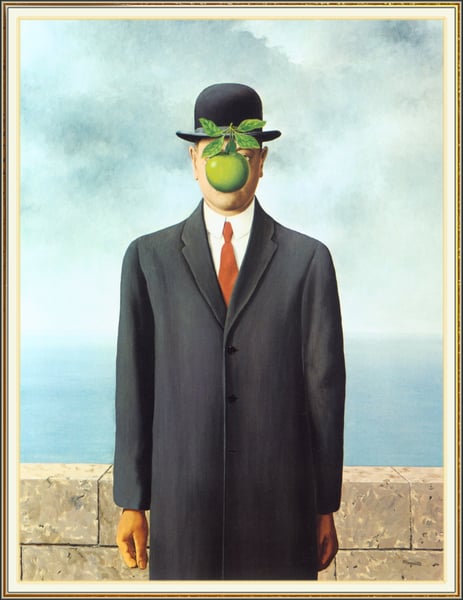
Magritte created two versions of this painting, of the same name, which both portray a large green apple in the middle of a room. This painting illustrates the many themes running through Magritte’s work. The first is the apple, which he uses to great lengths in many of his works, the most famous of which is The Son of Man, depicting a man wearing a bowling hat, with a green apple covering his ...
Georges Seurat · Pointillism, Neo-Impressionism · genre painting
Seated Bather depicts a seated figure, painted by Georges Seurat in 1883 using the pointillist technique characteristic of Neo-Impressionism. The work exemplifies Seurat's systematic application of small, discrete dots of color to build form and atmosphere, a method that became central to his artistic practice during this period.
26
The False Mirror
René Magritte作品
René Magritte
The False Mirror is a surrealist oil on canvas painting by René Magritte, from 1928. It depicts a human eye framing a cloudy, blue sky. In the depiction of the eye in the painting, the clouds take the place normally occupied by the iris. The painting's original French title is Le faux miroir.
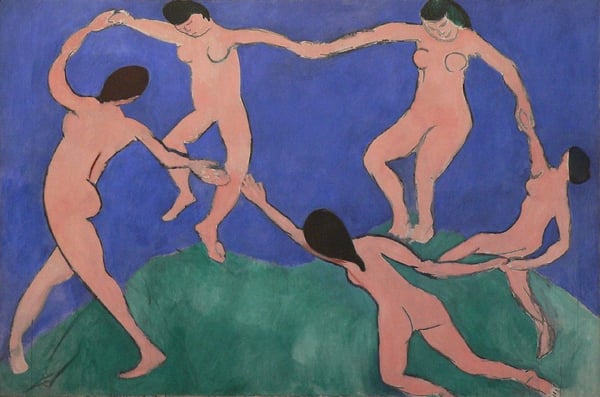
Dance (I) is a Fauvist nude painting by Henri Matisse created in 1909. The work depicts figures in motion within the Fauvist idiom, characterized by the movement's bold use of color and simplified forms.
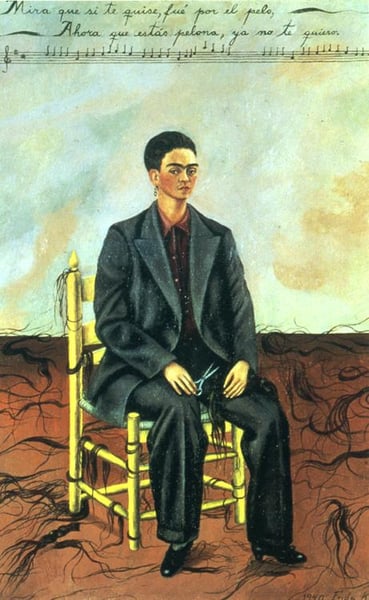
Self-Portrait with Cropped Hair is a painting by Frida Kahlo in which the artist depicts herself with shorn hair. The work employs the artist's characteristic style of unflinching self-representation, presenting a direct frontal gaze and meticulous attention to physiognomy.
A Bar at the Folies-Bergère is a painting by Édouard Manet, considered to be his last major work. It was painted in 1882 and exhibited at the Paris Salon of that year. It depicts a scene in the Folies Bergère nightclub in Paris. The painting originally belonged to the composer Emmanuel Chabrier, a close friend of Manet, and hung over his piano. It is now in the Courtauld Gallery in London.
まだコメントはありません — 最初に投稿しましょう。