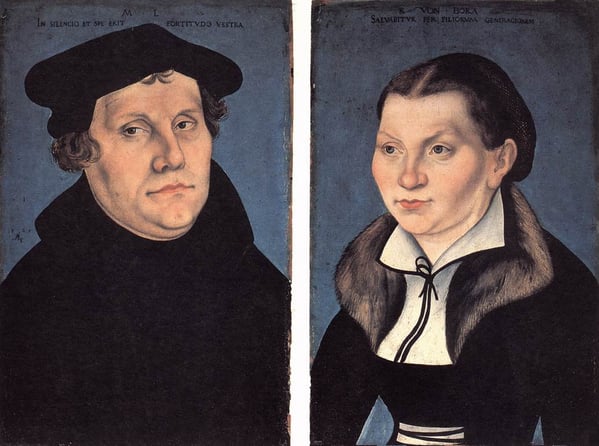
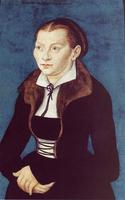
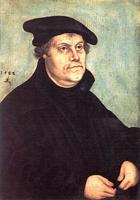
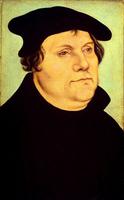
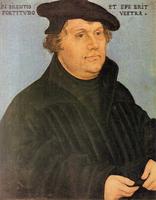
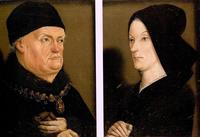
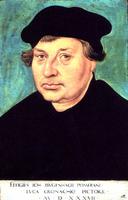
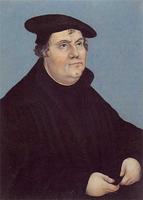
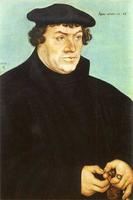
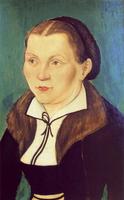
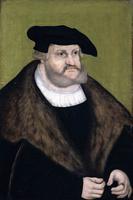
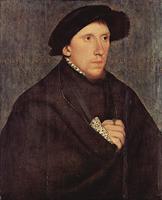
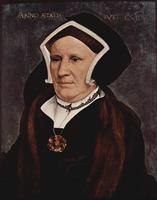
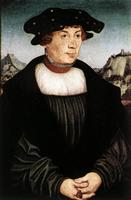
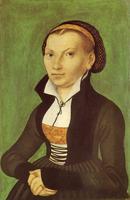
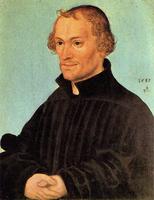
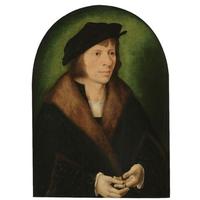
This diptych is a masterwork of Northern Renaissance portraiture, significant above all for its intimate and historically charged depiction of the Protestant Reformation’s central figure. Painted by Lucas Cranach the Elder—a close friend of Martin Luther and a key visual propagandist for the movement—the work transforms the traditional devotional diptych into a personal, domestic statement of faith and identity.
The pairing of Luther with his wife, Katharina von Bora, is itself a revolutionary act in art history. By presenting the reformer not as a saint or scholar in isolation, but as a married man alongside his spouse, Cranach legitimizes the Reformation’s radical break from clerical celibacy. The diptych format, often reserved for aristocratic or religious devotion, here elevates the Protestant ideal of marriage as a sacred, equal partnership.
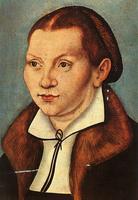
Stylistically, Cranach’s Northern Renaissance approach is evident in the meticulous realism of the faces, the precise rendering of fur, fabric, and wood grain, and the sober, almost stark composition that focuses attention on the sitters’ expressions. Luther’s figure conveys gravitas and quiet conviction, while Katharina’s portrait presents her as a dignified, intelligent companion—a visual argument for the dignity of family life at the heart of the new faith.
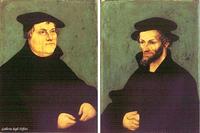
The work’s historical significance is further underscored by its role as a reproducible model: Cranach’s workshop produced multiple versions and prints, making this image one of the most widely disseminated portraits of the Reformation era. It not only documents a historical marriage but actively shapes how both Luther and his movement were—and still are—visually remembered.