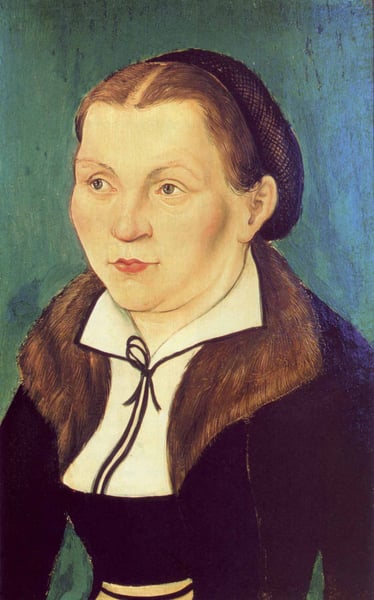
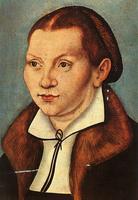
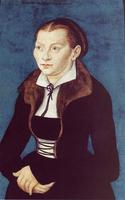
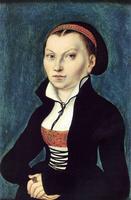
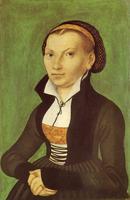
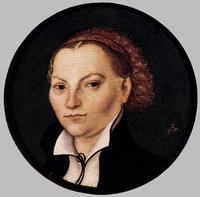
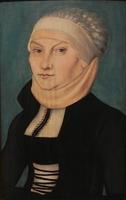
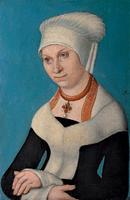
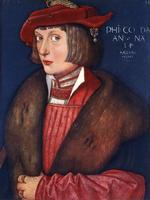
Based solely on the provided structured facts, the significance of Lucas Cranach the Elder's Portrait of Katharina von Bora lies in its intersection of a major Northern Renaissance artist with a historically pivotal subject.
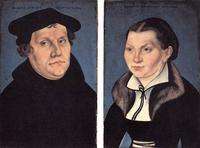
As a product of the Northern Renaissance, the work exemplifies the period's commitment to precise, naturalistic representation and the growing importance of individual portraiture. The genre—portrait—was central to the Northern Renaissance, serving to document social standing, personal identity, and the values of the Reformation era. Cranach, a leading master of this style, was renowned for his ability to combine vivid realism with subtle symbolism, making this depiction of Katharina von Bora—a key figure as the wife of Martin Luther—a document of both artistic achievement and historical significance. The painting’s primary importance is its role in visually capturing a notable personality of the Protestant Reformation through the lens of one of the movement’s most celebrated artistic allies.