Expert analysis of Lucas Cranach the Elder’s Katharina Luther
Style: Northern Renaissance · Genre: portrait
Expert Analysis: "Katharina Luther" by Lucas Cranach the Elder
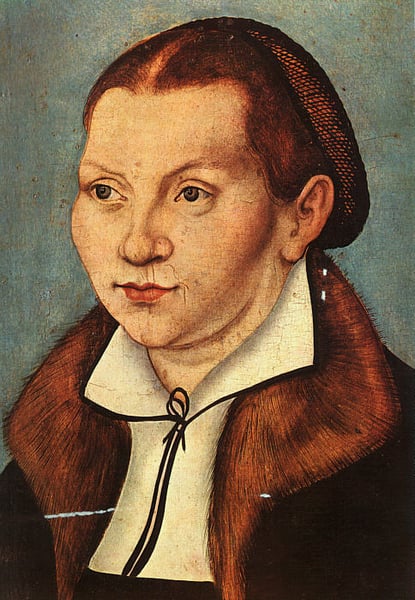
Lucas Cranach the Elder’s portrait of Katharina Luther (c. 1526) is a landmark work of the Northern Renaissance that transcends mere likeness to embody the spiritual and social ideals of the Protestant Reformation. Painted by Cranach—a close friend of Martin Luther and visual propagandist for the reform movement—the portrait elevates Katharina from a private individual to a public icon of the new Protestant womanhood.
Significance within Style and Period:
-
Northern Renaissance precision: Cranach employs the hallmark clarity, meticulous attention to textile texture, and restrained yet warm palette typical of the era. The sitter’s dress—rich but not ostentatious—signals her status as a pastor’s wife without descending into courtly vanity, reflecting Reformation ethics of modesty and virtue.
-
Reformation iconography: Unlike traditional aristocratic portraits that emphasize lineage or power, Katharina is shown with a direct, steady gaze and a subtle, knowing smile—an expression of inner conviction rather than worldly pride. Her hands are gently clasped, suggesting piety and domestic competence. Cranach’s choice to depict her without excessive jewelry or allegorical attributes underscores Luther’s own theological emphasis on faith over works and status.
-
Historical significance: As the former nun Katharina von Bora, she embodied the radical Reformation ideal of clerical marriage. By portraying her as a dignified, composed companion, Cranach legitimized this controversial practice, offering a visual argument for the spiritual equality of marriage—a cornerstone of Protestant family life. The portrait thus serves not only as a personal record but as a polemical statement: here is the virtuous wife of the reformer, equally committed to the new faith.
-
Genre and legacy: Within the portrait genre, Cranach’s work stands out for its integration of individual identity with broader ideological purpose. It anticipates the Protestant portrait tradition that values the sitter’s character and beliefs above aristocratic display, influencing later Northern European portraiture’s emphasis on psychological depth and moral gravity.
In sum, Katharina Luther is significant because it merges technical mastery of the Northern Renaissance with a revolutionary social message, transforming a personal portrait into a lasting emblem of Reformation values and the redefined role of women in early modern Christianity.
Museum / Gallery
Visually similar
20 works with related composition and palette
Portrait of Katharina von Bora
Lucas Cranach the Elder
Portrait of Katharina von Bora
Lucas Cranach the Elder
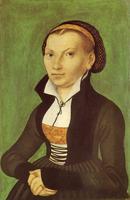
Katharina von Bora, future wife of Martin Luther
Lucas Cranach the Elder
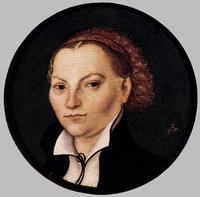
Katharina von Bora
Lucas Cranach the Elder
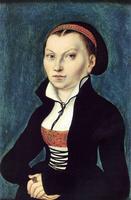
Portrait of Katharina von Bora
Lucas Cranach the Elder
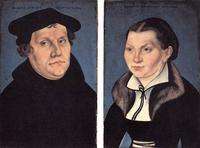
Diptych with the Portraits of Martin Luther and his Wife
Lucas Cranach the Elder
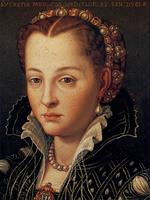
Lucrezia di Cosimo
Agnolo Bronzino
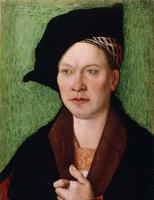
Portrait of a Gentleman
Bernhard Strigel
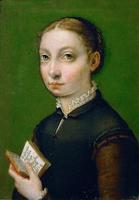
Self-portrait
Sofonisba Anguissola
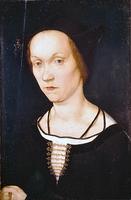
Portrait of a Woman
Hans Holbein the Elder
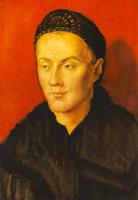
Portrait of a Man
Albrecht Durer
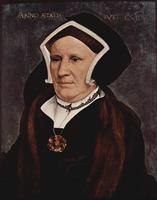
Lady Butts
Hans Holbein the Younger
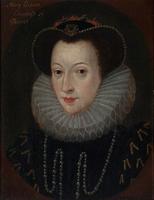
Mary Curzon (1585–1645), Countess of Dorset
William Hamilton
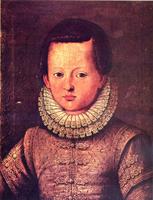
Portrait of Prince Filippo di Medici
Alessandro Allori
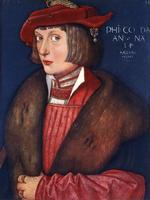
Count Philip
Hans Baldung
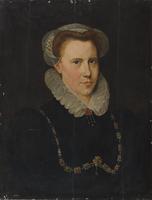
RITRATTO DI GIOVANE DONNA CON GRANDE COLLANA
Frans Pourbus the Elder
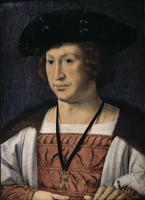
Portrait of Floris van Egmond
Mabuse
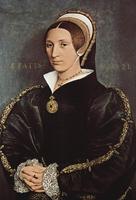
Portrait of Catarina Howard
Hans Holbein the Younger
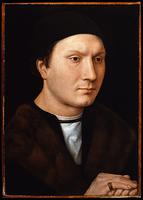
Portrait of an Unknown Man with a Letter
Hans Memling
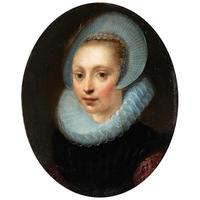
MINIATURBILDNIS EINER JUNGEN DAME MIT HALSKRAUSE UND SEIDENHAUBE
Gortzius Geldorp