Analysis of "Head of an old man" by Albrecht Dürer
Style: Northern Renaissance | Genre: sketch and study
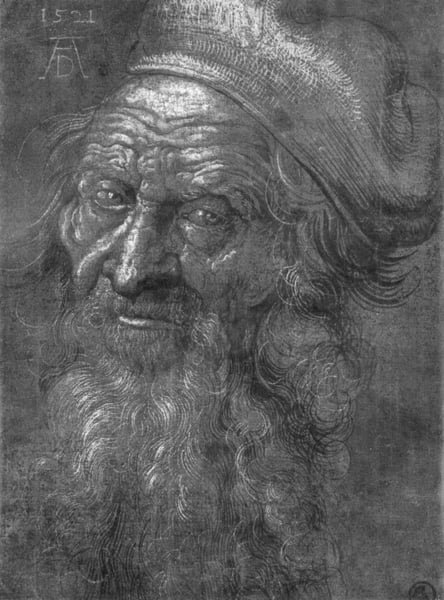
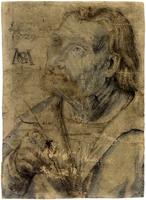
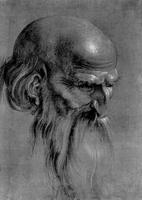
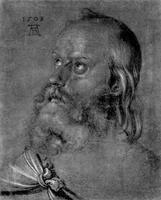
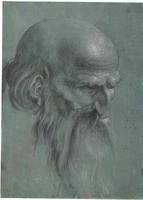
Albrecht Dürer’s "Head of an old man" exemplifies the Northern Renaissance’s commitment to meticulous observation and the expressive power of line. As a sketch and study, it reveals Dürer’s process: capturing not just physical likeness but the character and age etched into the subject’s face. The work’s significance lies in its demonstration of how a seemingly simple preparatory drawing can achieve the same level of psychological depth and naturalistic detail as a finished painting. Dürer’s handling of wrinkling skin, sunken eyes, and wispy hair showcases his mastery of cross-hatching and shading to convey texture and volume—hallmarks of the Northern Renaissance’s focus on empirical realism. This study also highlights the era’s humanist interest in the individual, elevating an anonymous old man to a subject worthy of intense scrutiny. In the context of Dürer’s oeuvre, such studies were foundational to his larger compositions, yet they stand alone as intimate, unflinching records of human mortality.