
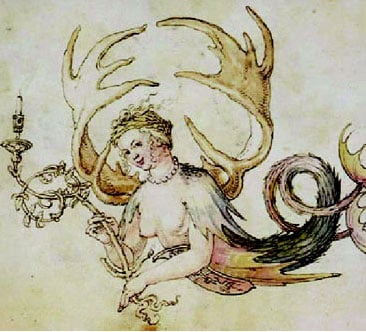
Analisi esperta di The chandelier females di Albrecht Durer
Stile: Northern Renaissance · Genere: mythological painting
Expert Analysis of The Chandelier Females by Albrecht Dürer
Within the context of the Northern Renaissance, Albrecht Dürer stands as a pivotal figure who synthesized the meticulous naturalism of Flemish painting with the idealized forms and classical themes emerging from Italy. The Chandelier Females—a mythological painting—exemplifies this synthesis and is significant for several reasons.
-
Rarity of Mythological Subject Matter in the North: Unlike Italian artists who routinely depicted classical myths, Northern Renaissance painters typically focused on religious devotion, portraiture, or everyday life. Dürer’s decision to treat a mythological theme signals his deliberate engagement with humanist thought and the revival of antiquity, a move that was avant‑garde for his time and region. The very presence of “females” in a chandelier-like arrangement suggests an allegorical or symbolic narrative, possibly referencing the Muses, the Graces, or a celestial hierarchy—a subject that invited viewers to contemplate beauty, harmony, or divine order through the lens of pagan mythology.
-
Integration of Classical Ideals with Northern Precision: Dürer’s rendering of the female figures would have combined his renowned observational skills (visible in the intricate detailing of hair, drapery, and anatomical structure) with a more idealizing, balanced composition borrowed from Italian Renaissance models. The “chandelier” motif itself—likely a circular or radial arrangement of figures—demonstrates Dürer’s mastery of complex, symmetrical design and his interest in the mathematical principles of proportion, which he famously explored in his theoretical treatises. This work thus serves as a bridge between the symbolic, anecdotal art of the late Gothic and the intellectually rigorous, classicizing art of the High Renaissance.
-
Technical and Symbolic Innovation: As a printmaker and painter, Dürer would have executed The Chandelier Females with his characteristic sharpness of line and meticulous attention to texture—qualities that heightened the tactile realism of the mythological scene. The chandelier, a man‑made object associated with light and illumination, may be read as a metaphor for the enlightenment brought by classical learning, or as a device organizing the figures into a harmonious whole, reflecting the Northern humanist belief that beauty arises from order and reason.
In sum, The Chandelier Females is significant because it marks Dürer’s pioneering effort to naturalize classical mythology within the Northern Renaissance idiom, blending local precision with Italianate idealism, and affirming his role as an artist who shaped the course of European art through cross‑cultural synthesis.
Visivamente simili
20 opere con composizione e palette affini
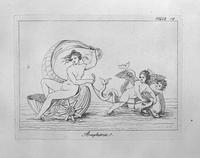
Amphitrite
Giovanni Battista Piranesi
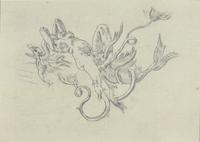
Tranformism
Felicien Rops
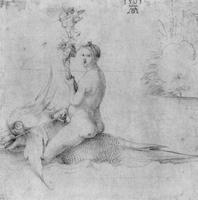
Venus on a dolphin
Albrecht Durer
A putto pursuing a butterfly
John Gibson

The Luxury
Pisanello

Arion
Albrecht Durer
Galatea on a sea monster
Giovanni Battista Piranesi
Study Journal, naked couple and the Devil
Albrecht Durer
Venus and Cupid
Giovanni Battista Piranesi
Psyche borne by a Zephyr
John Gibson
Allegory of Time and Art
Bartholomeus Spranger
Venus
Giovanni Battista Piranesi
Flying Angel Mourning Victims of the Inquisition
Karl Bryullov
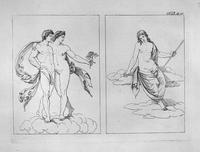
Gemini and Virgo
Giovanni Battista Piranesi
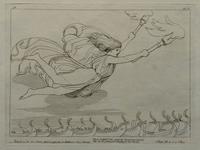
Illustration to the Iliad
John Flaxman
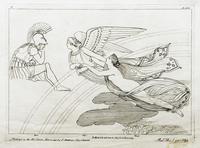
Illustration to the Iliad
John Flaxman
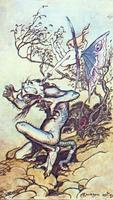
WHEN CALIBAN WAS LAZY AND NEGLECTED HIS WORK
Arthur Rackham
Adam and Eve
Albrecht Durer
Premier frontispiece
James Tissot
Wild woman with shield
Martin Schongauer