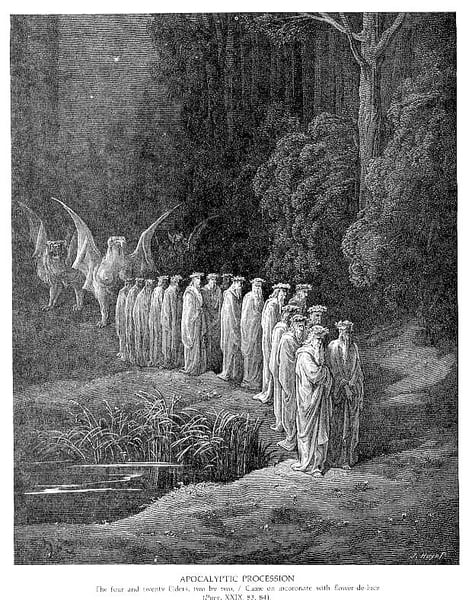
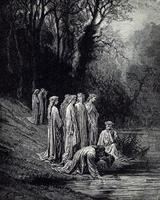
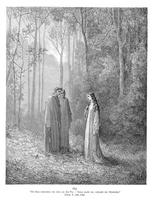
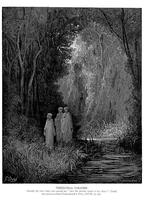
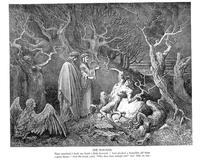
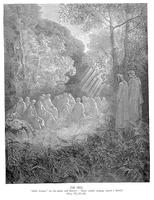
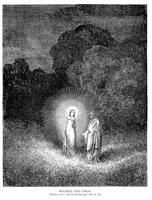
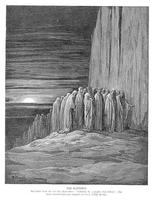
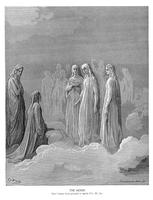
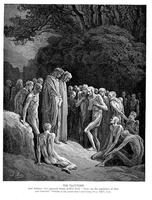
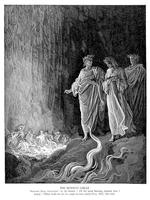
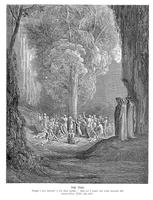
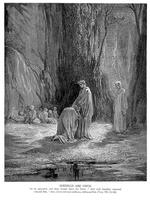
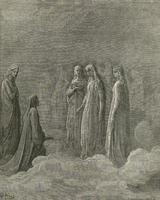
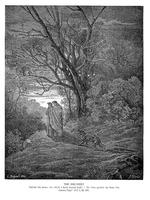
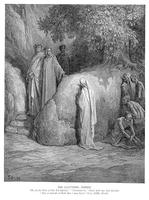
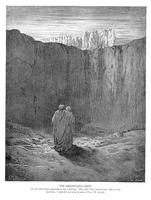
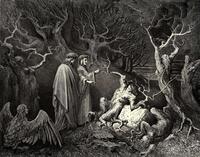
"Apocalyptic Procession" by Gustave Doré stands as a quintessential example of Romanticism's embrace of the sublime, terror, and the grand scale of human emotion. As an illustration, this work exemplifies how Doré elevated book and print illustration from mere accompaniment to a powerful, independent artistic medium. His masterful use of dramatic chiaroscuro—deep shadows contrasted with piercing light—intensifies the chaotic, otherworldly procession, which likely draws from biblical or epic sources. Within the Romantic period, Doré’s ability to render a scene of cosmic judgment and mortal dread with such meticulous, almost theatrical detail underscores the movement’s fascination with the supernatural, the monumental, and the overwhelming power of nature and fate. The significance of this piece lies in its fusion of Romantic emotional intensity with the graphic precision of illustration, making the apocalyptic vision both intimately detailed and terrifyingly vast—a hallmark of Doré’s enduring influence on visual storytelling.