
Expert analysis of Gustave Dore’s Don Quixote
Style: Romanticism · Genre: illustration
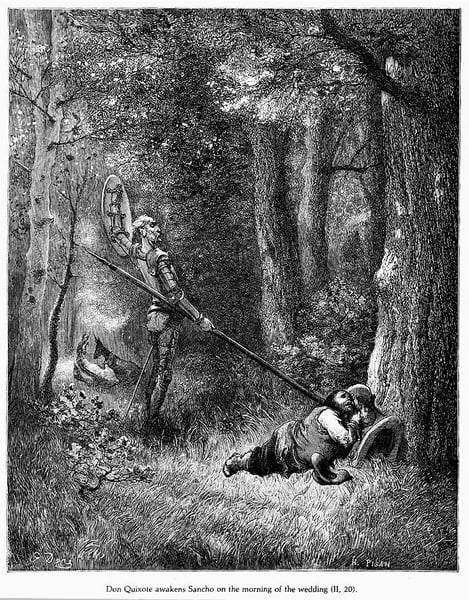
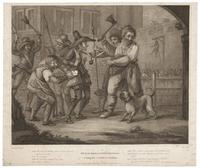
The work "Don Quixote" by Gustave Doré is a seminal illustration from the Romantic period. Its significance lies in how it visually encapsulates the core Romantic preoccupations: intense emotion, individualism, and the sublime clash between imagination and reality.
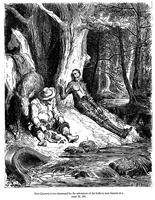
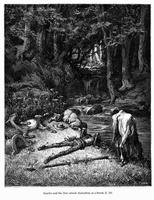
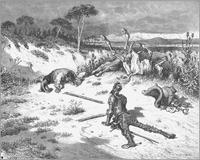
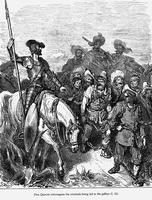
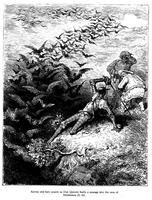
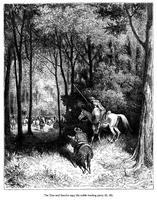
Within the Romantic style, Doré’s illustration is not a mere literal depiction but a dramatic psychological portrait. He captures Don Quixote’s tragicomic delusion—the gaunt, aging man on his skeletal horse, set against vast, often desolate or fantastical landscapes. This treatment elevates the illustration from simple accompaniment to a powerful interpretation of Cervantes’s text, emphasizing the hero’s solitary quest and the pathos of his idealism.
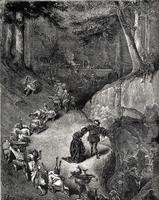
Doré’s mastery of engraving, characteristic of his illustrative genius, uses stark chiaroscuro and meticulous detail to create a sense of the sublime. The contrasts between light and shadow heighten the drama, making the everyday world seem haunted by Quixote’s fantasies. As an illustration, this work became definitive for generations of readers, solidifying the visual archetype of Don Quixote and Sancho Panza. Its significance is that it perfectly marries the Romantic fascination with the inner life of the heroic outsider with the technical artistry of 19th-century book illustration, making a literary classic vividly, and emotionally, accessible.
Visually similar
20 works with related composition and palette
Don Quixote
Gustave Dore
Don Quixote
Gustave Dore
Don Quixote
Gustave Dore
Don Quixote
Gustave Dore
Don Quixote
Gustave Dore
Donkeyskin
Gustave Dore
Don Quixote's Moralising on Ingratitude
Gustave Dore
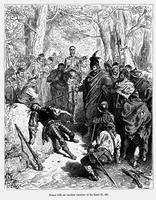
Don Quixote
Gustave Dore
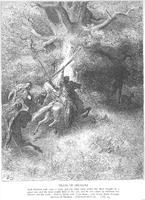
The Death of Absalom
Gustave Dore
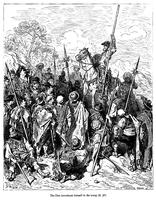
Don Quixote
Gustave Dore
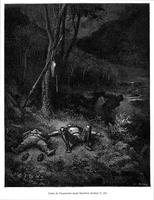
Don Quixote
Gustave Dore
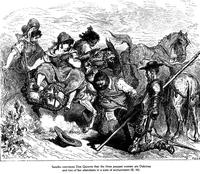
Don Quixote
Gustave Dore
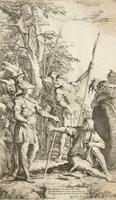
Diogenes and Alexander
Salvator Rosa
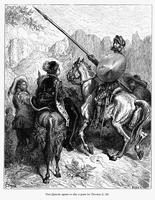
Don Quixote
Gustave Dore
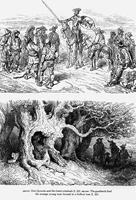
Don Quixote
Gustave Dore
Don Quixote
Gustave Dore
Don Quixote
Gustave Dore
Don Quixote
Gustave Dore
Sharing out the Game
Bernard Van Orley
A Barber's Shop
Henry Bunbury