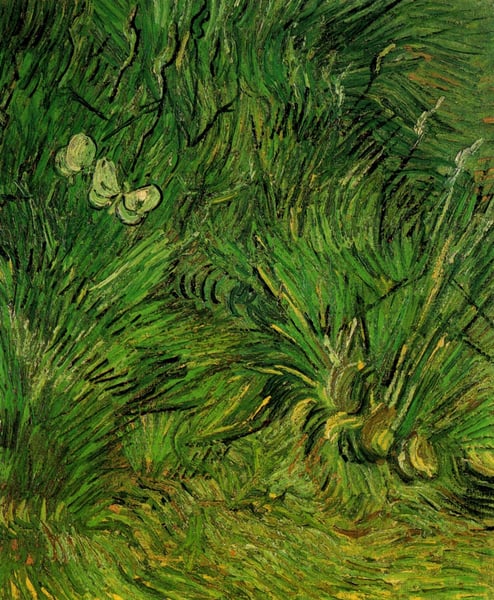
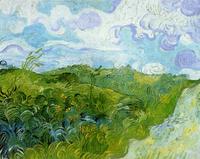
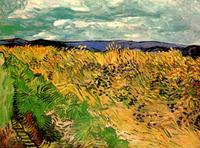
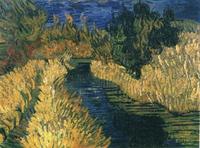
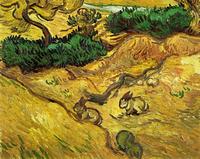
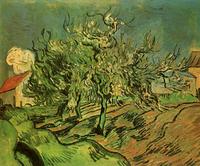
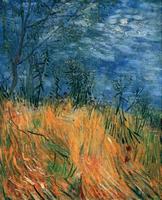
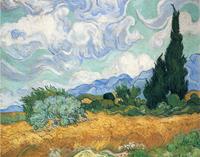
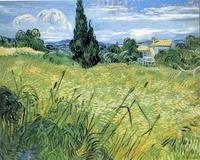
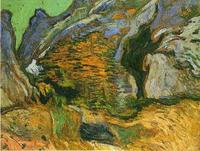
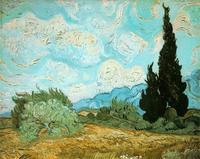
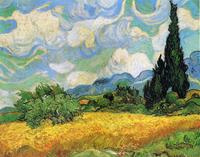
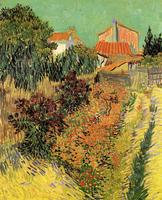
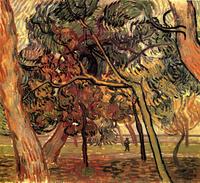
As a landscape within the Post-Impressionist style, Vincent van Gogh’s Two White Butterflies exemplifies the movement’s departure from naturalistic representation toward emotional and symbolic expression. The work’s significance lies in how van Gogh transforms a simple natural scene—butterflies in a meadow—into a vibrant, personal vision through bold, expressive color and dynamic brushwork. In keeping with Post-Impressionism’s emphasis on subjective experience, the painting uses intense, non-naturalistic hues and a distinctive, rhythmic application of paint to convey the artist’s inner state. The two white butterflies may serve as symbols of fleeting beauty, transformation, or the delicate interplay of life and nature. By elevating a modest landscape subject to a powerful emotional statement, van Gogh’s approach here anticipates the expressive freedom of later modern art, marking Two White Butterflies as a notable example of how Post-Impressionism redefined the landscape genre.