
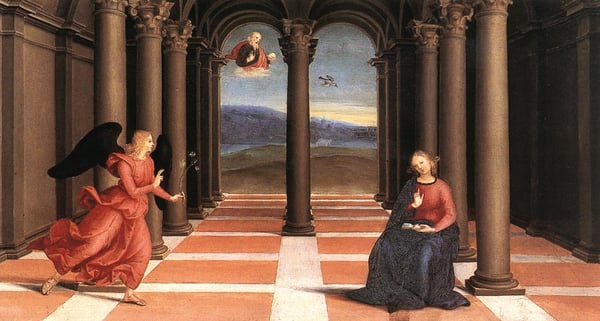
Expert analysis of Raphael’s The Annunciation
Style: High Renaissance · Genre: religious painting
The significance of Raphael's The Annunciation stems directly from its place within the High Renaissance and its religious genre. As a work by one of the period's defining masters, it embodies the High Renaissance's core ambition: the seamless fusion of naturalistic observation with idealised harmony and order. The religious subject—the Annunciation—was a central theme in Christian art, and within the High Renaissance, this scene became a vehicle for exploring the balance between divine transcendence and human emotion. Raphael's treatment would likely have emphasised clarity of composition, balanced figures, and a serene, monumental quality that characterises the period's turn away from the more decorative approach of the Early Renaissance toward a unified, classical gravity. The artwork's importance thus lies in how it epitomises the High Renaissance’s peak: a moment when artistic technique, theological narrative, and classical ideals converge with unmatched poise.
Visually similar
20 works with related composition and palette
Pala di Corciano (Annunciation)
Pietro Perugino
The Presentation in the Temple
Raphael
Pala di Fano (Annunciation)
Pietro Perugino
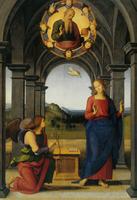
The Annunciation of Mary
Pietro Perugino
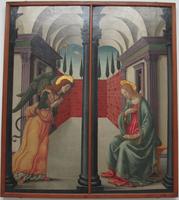
Annunciazione
Francesco Botticini
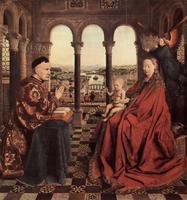
The Virgin of the Chancellor Rolin
Jan van Eyck
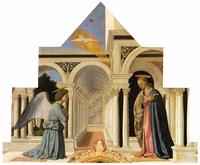
The Annunciation
Piero della Francesca
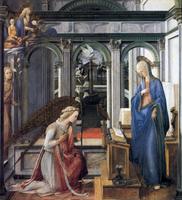
Annunciation
Filippo Lippi
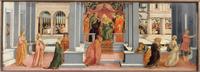
Esther Choisie Par Assuérus
Filippino Lippi
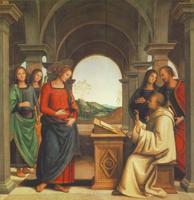
The vision of St. Bernard
Pietro Perugino
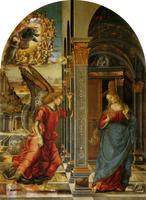
Annunciation
Luca Signorelli
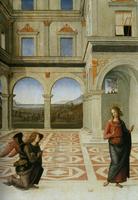
The Annunciation
Pietro Perugino
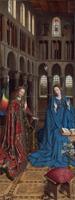
The Annunciation
Jan van Eyck
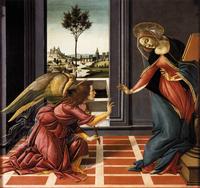
The Cestello Annunciation
Sandro Botticelli
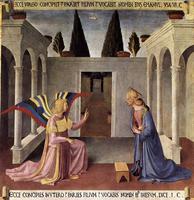
Annunciation
Fra Angelico
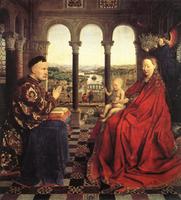
The Rolin Madonna (La Vierge au Chancelier Rolin)
Jan van Eyck
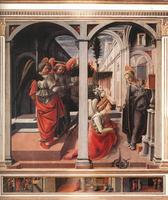
Annunciation
Filippo Lippi
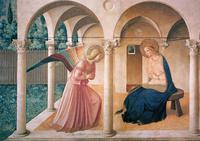
Annunciation
Fra Angelico
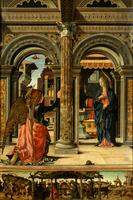
The Annunciation
Francesco del Cossa
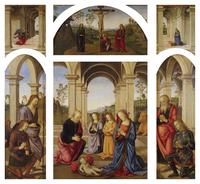
Polyptych Albani Torlonia
Pietro Perugino