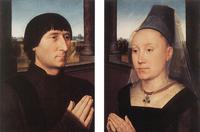
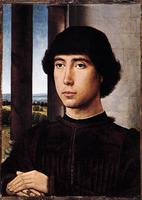
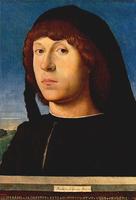
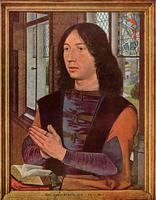
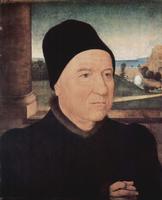
Based solely on the provided structured facts, the significance of Hans Memling's Portrait of Benedetto Portinari lies in its role as a masterful example of Northern Renaissance portraiture. Memling was a leading artist of the Bruges school, renowned for his ability to blend the meticulous, detail-rich naturalism of Flemish painting with a serene, almost idealized sense of interiority. The portrait captures the sitter—a Florentine banker living in Bruges—with extraordinary precision in texture (fabric, skin, hair) and the characteristic Northern attention to atmospheric light.
Given the genre, the work is significant not just as a faithful likeness but as a document of the cultural and economic exchange between Italy and the Low Countries during the 15th century. Memling’s restrained, psychological depth and his refinement of the portrait formula helped elevate the genre from mere record to an art of profound human presence, making this piece a key touchstone in the development of the Renaissance portrait tradition.