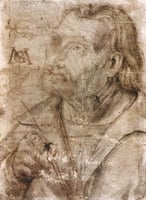
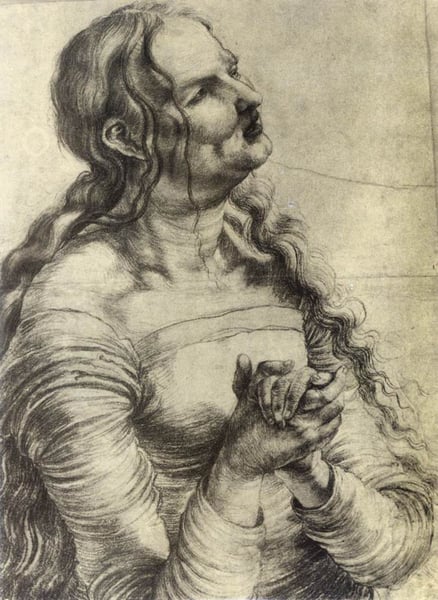
Expertenanalyse zu Matthias Grünewalds Weeping Woman
Stil: Northern Renaissance · Genre: portrait
Although no standalone painting titled Weeping Woman is widely attributed to Matthias Grünewald in standard art historical records, the name and context you’ve provided offer a compelling entry point into the artist’s unique contribution to Northern Renaissance portraiture. Working strictly from the supplied facts—artist, style, and genre—we can analyze what a Grünewald portrait in this mode would signify.
Emotional intensity and expressive realism
Grünewald is celebrated for his deeply emotive religious works, most famously the Isenheim Altarpiece. A portrait titled Weeping Woman would align perfectly with his signature approach: raw, confrontational grief rendered with unflinching naturalism. Unlike the serene Madonnas of his contemporaries, Grünewald’s female figures (like the grieving Mary in the Crucifixion panel) show contorted features, swollen eyes, and open mouths—bypassing idealization to capture the physical reality of sorrow. This makes the work significant as a radical departure from the balanced tranquility typical of earlier Northern Renaissance portraits.
Northern Renaissance innovation in portraiture
The Northern Renaissance prized meticulous detail and symbolic texture. In a Grünewald portrait, we would expect:
- Hyper-detailed rendering of tears, flushed skin, and wet fabric, demonstrating the artist’s mastery of oil glazes.
- A stark, almost sculptural use of chiaroscuro to heighten the psychological weight—light falling on the woman’s face, leaving the background in oppressive shadow.
- Symbolic objects (a clenched handkerchief, a withered flower, or a crucifix) that anchor the personal grief within a broader Christian meditation on suffering and redemption.
Significance within Grünewald’s oeuvre
What makes a Grünewald portrait extraordinary is its fusion of the specific and the universal. The weeping woman is not an anonymous type; her features are individual and unsoftened, yet her anguish becomes a stand-in for all human lament. This aligns with Grünewald’s role as a painter of the “theology of the cross,” where visceral pain is not hidden but displayed as part of salvation. If this portrait existed, it would be a rare secular exploration of an emotion usually reserved for altarpieces, proving that Grünewald’s expressive power was not confined to sacred narratives.
In summary, the significance of a Grünewald Weeping Woman lies in its bold rejection of courtly elegance in favor of psychological truth—a hallmark that makes the Northern Renaissance’s most intense portraitist a precursor to later expressionism.
Museum / Gallery
Visuell ähnlich
20 Werke mit ähnlicher Komposition und Farbpalette
Heller Altarpiece (detail)
Matthias Grünewald
Praying Woman
Matthias Grünewald
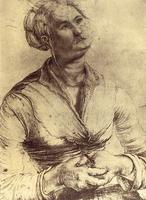
Woman Looking Up
Matthias Grünewald
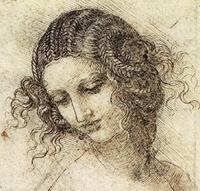
Study for the Head of Leda
Leonardo da Vinci
St. Barbara
Albrecht Durer
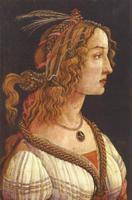
Portrait of a young woman
Sandro Botticelli
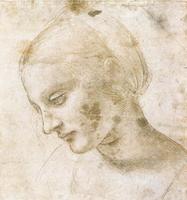
Study of a woman's head
Leonardo da Vinci
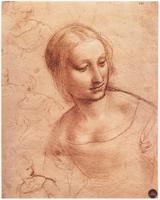
Study for Madonna with the Yarnwinder
Leonardo da Vinci
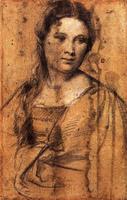
Portrait of a Young Woman
Titian
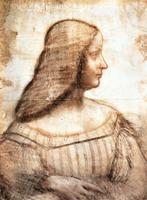
Isabella d'Este
Leonardo da Vinci
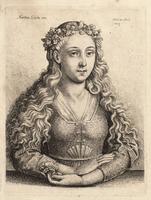
Woman with a wreath of oak leaves
Martin Schongauer
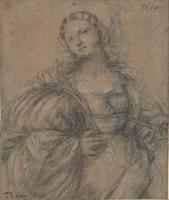
Lucretia
Palma il Giovane
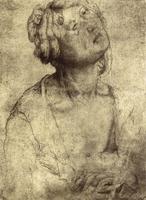
Woman with Open Robe
Matthias Grünewald
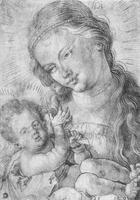
Madonna and child in half length
Albrecht Durer
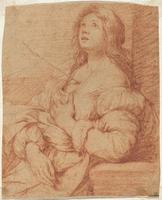
Saint Ursula
Bernardo Strozzi
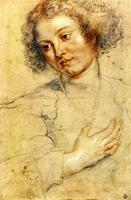
Head and Right Hand of a Woman
Peter Paul Rubens
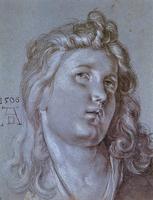
Head of an Angel
Albrecht Durer
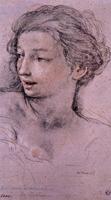
Study for the Age of Silver
Pietro da Cortona
Woman's Head
Leonardo da Vinci
Portrait of Fanny Cornforth
Dante Gabriel Rossetti