
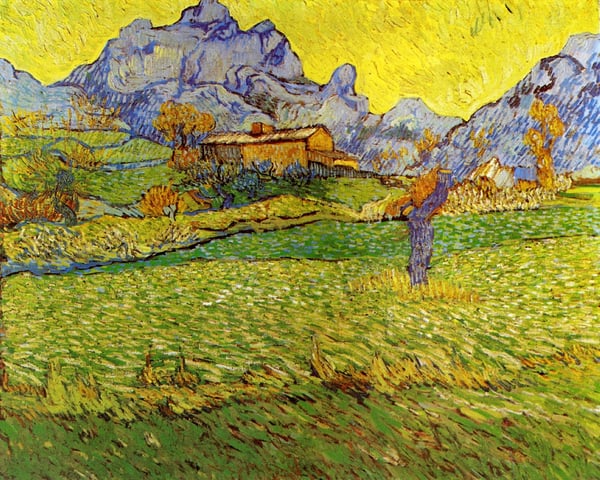
A Meadow in the Mountains: Le Mas de Saint-Paul
Dettagli
Analisi esperta di A Meadow in the Mountains: Le Mas de Saint-Paul di Vincent van Gogh
Stile: Post-Impressionism · Genere: landscape
Analysis of "A Meadow in the Mountains: Le Mas de Saint-Paul" by Vincent van Gogh
Overview
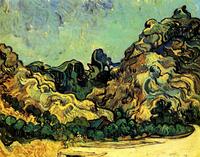
This landscape, painted in 1889 during van Gogh’s voluntary stay at the Saint-Paul-de-Mausole asylum in Saint-Rémy-de-Provence, exemplifies the raw emotional power and expressive technique that define Post-Impressionism. The work captures a view of the meadow and mountains near the monastery (the "Mas de Saint-Paul"), but it is far from a literal transcription of nature. Instead, van Gogh transforms the scene into a charged, personal vision.
Significance within Post-Impressionism
- Emotional intensity over visual accuracy: Unlike the Impressionists, who sought to capture fleeting light and atmosphere, van Gogh uses bold, distorted forms and exaggerated colors to convey inner feeling. The swirling brushwork in the sky and grasses pulses with urgent energy, mirroring the artist’s turbulent mental state.
- Symbolic use of color: The vibrant greens, yellows, and blues are not merely descriptive but symbolic. The contrast between the bright meadow and the dark, looming mountains suggests a tension between life and solitude—a recurring theme in van Gogh’s asylum works.
- Expressive brushwork: Thick, rhythmic impasto strokes (applied with the palette knife and brush) create texture and movement, making the landscape feel almost alive. This technique, used to heighten expression, became a hallmark of Post-Impressionist painting and influenced later Expressionists.
Genre and Landscape Tradition
While the painting is a landscape, it breaks with traditional pastoral ideals. Van Gogh’s meadow is not serene; it is a writhing, emotionally charged space. The cypress tree (a repeated motif in Saint-Rémy) rises like a dark flame, linking earth and sky, and the mountains are rendered with almost geological force. This reimagining of landscape as a vehicle for personal expression was revolutionary.
Key Context
Painted during one of van Gogh’s most prolific periods (he created over 150 works at Saint-Paul), this piece demonstrates his ability to find profound beauty and meaning within the confines of an asylum. The view from his window or walks in the surrounding countryside became a conduit for his deepest emotions, transforming a simple meadow into a timeless statement of human struggle and resilience.
Conclusion
"A Meadow in the Mountains: Le Mas de Saint-Paul" is significant as a masterwork of Post-Impressionism because it pushes the boundaries of landscape painting. Van Gogh’s dynamic brushwork, symbolic color, and unflinching emotional honesty elevate the scene beyond depiction, making it a powerful document of the artist’s inner world and a pivotal work that bridges 19th-century Impressionism and 20th-century Expressionism.
Museum / Gallery
Visivamente simili
20 opere con composizione e palette affini
Mount Gaussier with the Mas de Saint-Paul
Vincent van Gogh
The Green Wheatfield behind the Asylum
Vincent van Gogh
Les Alpilles, Mountain Landscape near South-Reme
Vincent van Gogh
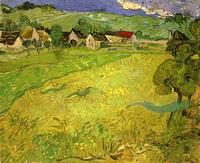
View of Vessenots near Auvers
Vincent van Gogh
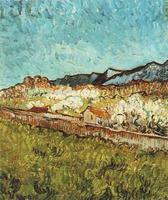
At the Foot of the Mountains
Vincent van Gogh
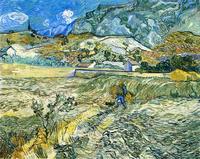
Enclosed Field with Peasant
Vincent van Gogh
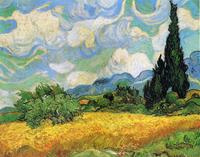
Wheat Field with Cypresses at the Haude Galline near Eygalieres
Vincent van Gogh
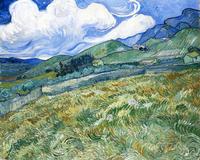
Wheatfield with Mountains in the Background
Vincent van Gogh
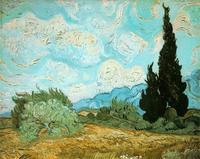
Wheat Field with Cypresses
Vincent van Gogh
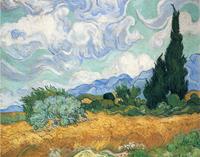
Wheatfield with cypress tree
Vincent van Gogh
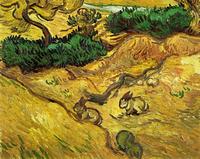
Field with Two Rabbits
Vincent van Gogh
The Plain at Auvers
Vincent van Gogh
Enclosed field with rising sun
Vincent van Gogh
Landscape with Three Trees and a House
Vincent van Gogh
Wheat Field at Auvers with White House
Vincent van Gogh
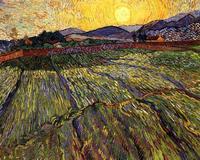
Wheat Field with Rising Sun
Vincent van Gogh
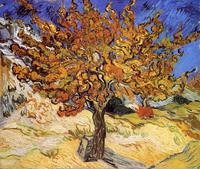
Mulberry Tree
Vincent van Gogh
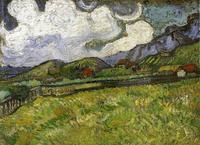
Wheat Field behind Saint-Paul Hospital with a Reaper
Vincent van Gogh
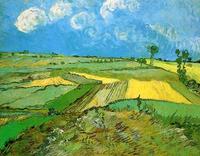
Wheat Fields at Auvers Under Clouded Sky
Vincent van Gogh
Mountains at Saint-Remy with Dark Cottage
Vincent van Gogh