
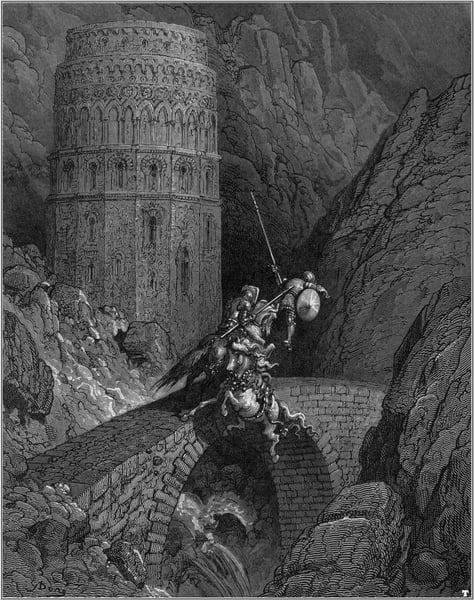
Expert analysis of Gustave Dore’s Orlando Furioso
Style: Romanticism · Genre: illustration
Expert Analysis:
Gustave Doré’s illustration for Orlando Furioso stands as a quintessential example of Romanticism’s visual language, demonstrating the period’s fascination with medieval chivalry, epic fantasy, and heightened emotional drama. As a master illustrator of the 19th century, Doré brought Ariosto’s sprawling Renaissance poem to life through his signature blend of meticulous detail, dramatic chiaroscuro, and dynamic composition.
Within the Romantic style, the work is significant for its ability to convey the sublime—a key Romantic ideal that merges awe, terror, and beauty. Doré’s use of deep shadows and stark highlights amplifies the intensity of the narrative, often depicting heroic figures caught in moments of peril or passion against vast, chaotic landscapes or crumbling ruins. This technique not only heightens the emotional stakes but also reflects Romanticism’s emphasis on individual experience and the power of nature.
As an illustration, its importance lies in how Doré elevated the genre from mere decoration to a form of storytelling that rivals the written text. His illustrations for Orlando Furioso (as for Dante, Milton, and Cervantes) became iconic, shaping the visual imagination of entire literary eras. The intricate linework and atmospheric depth demonstrate Doré’s unparalleled ability to merge the fantastical with the believable, making the epic feel immediate and visceral. In doing so, he solidified the role of the illustrator as a profound interpreter of literary art, aligning perfectly with Romanticism’s celebration of creativity and emotional resonance.
Visually similar
20 works with related composition and palette
Heaven Be Praised, They Are My Brothers!
Gustave Dore
Don Quixote
Gustave Dore
Bohemond alone mounts the rampart of antioch crusades bohemond mounts rampart of antioch
Gustave Dore
View of the Temple of the Cough said of the Via Tiburtina
Giovanni Battista Piranesi
Benediction
Gustave Dore
The Iron Age
Georg Andreas Wolffgang the elder
Sack of Rome
Maerten van Heemskerck
Stoning of Stephen, AD 34
Jan Luyken
Don Quixote
Gustave Dore
Vedute di Roma
Giovanni Battista Piranesi
Death of Eleazer
Gustave Dore
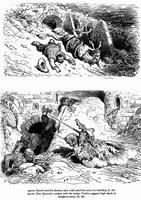
Don Quixote
Gustave Dore
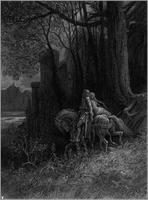
Geraint and Enid Ride Away
Gustave Dore
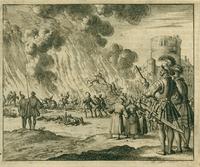
Burning of 180 Albigensians, AD 1210
Jan Luyken
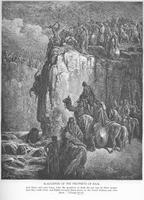
The Prophets of Baal Are Slaughtered
Gustave Dore
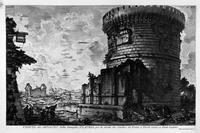
The Roman antiquities, t. 3, Plate XII. View of the Family Tomb of Plautius on the road leading from Rome to Tivoli near Ponte Lugano.
Giovanni Battista Piranesi
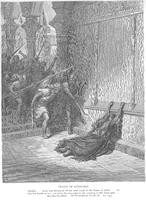
The Death of Athaliah
Gustave Dore
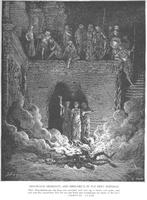
Shadrach, Meshach and Abednego in the Furnace
Gustave Dore
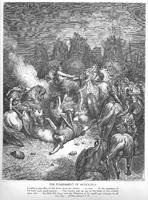
The Punishment of Antiochus
Gustave Dore
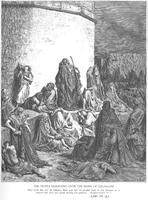
The People Mourning over the Ruins of Jerusalem, Lamentations 1:1-2
Gustave Dore