Expert Analysis: "Bennecourt" by Claude Monet
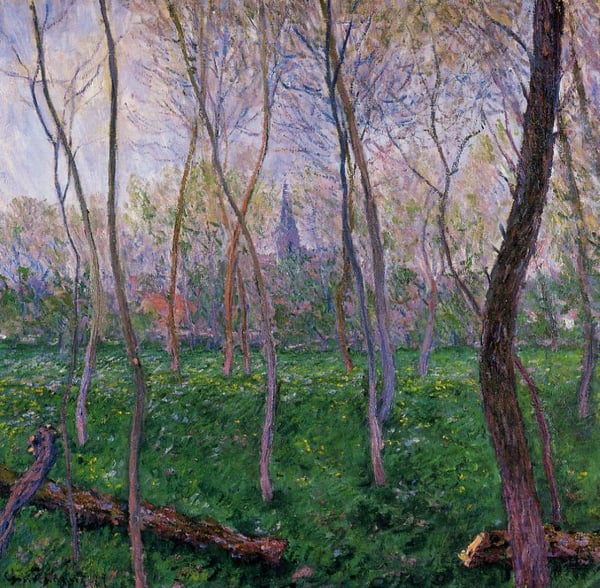
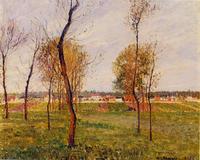
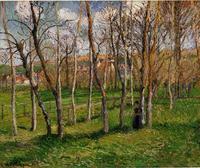
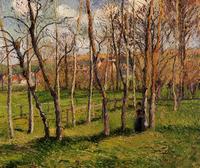
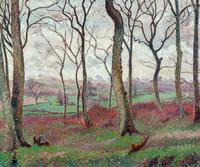
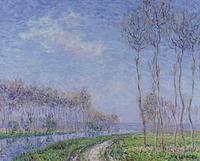
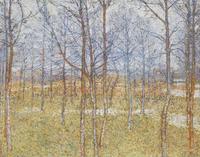
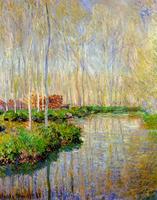
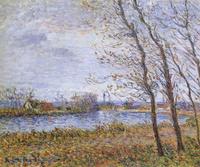
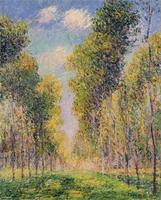
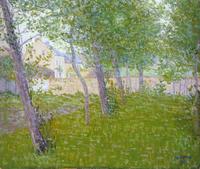
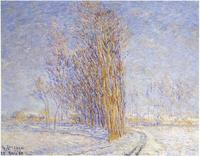
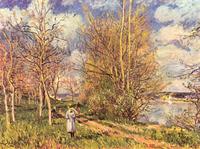
Claude Monet’s Bennecourt exemplifies the core innovations of Impressionism through its landscape subject, executed en plein air to capture fleeting atmospheric effects. The painting’s significance lies in Monet’s radical departure from academic conventions: instead of precise detail, he employs broken brushstrokes and a vibrant, high-key palette to render the shimmering interplay of light on water, foliage, and sky. This approach emphasizes the transient moment—the reflection of clouds on the Seine, the dappled sunlight filtering through trees—over a fixed, idealized view. As an Impressionist landscape, Bennecourt demonstrates Monet’s commitment to optical truth, where color and light dissolve form, inviting the viewer to experience the sensation of a specific time of day rather than a static scene. The work thus anchors the movement’s revolutionary focus on perception, marking a shift toward modern subjectivity in art.