The world's most celebrated masterpieces, from the Renaissance to Modern art
CE
Caleido Editorial Team2026年6月9日閱讀需 45 分鐘0 次瀏覽
WikiArt's most viewed paintings of all time represent the world's most celebrated masterpieces — artworks that have captivated millions of viewers across the globe. From Renaissance icons to Surrealist dreams, from Impressionist light to Modern abstraction, these 100 paintings span centuries of human creativity and artistic achievement.
The list reflects genuine public fascination: these are the artworks that people actively seek out, study, and share. It includes universally recognized icons like the Mona Lisa and The Starry Night alongside lesser-known gems that have found devoted audiences online.
Use the checklist below to track the paintings you've seen in person or studied closely. How many of the world's most beloved artworks have you experienced? Check them off and discover masterpieces you may have missed.
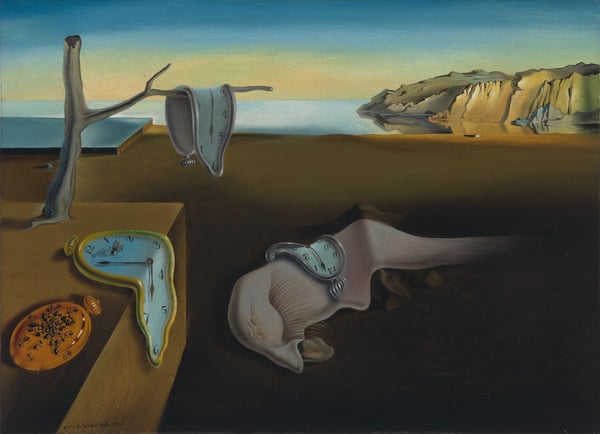
Salvador Dali | Style: Surrealism | Genre: symbolic painting
The Persistence of Memory is a 1931 painting by artist Salvador Dalí and one of the most recognizable works of Surrealism. First exhibited at the Julien Levy Gallery in 1932 and sold for $250, The Persistence of Memory was donated to the Museum of Modern Art (MoMA) in New York City two years later in 1934 by an anonymous donor, where it has remained ever since. It is widely recognized and frequently referred to in popular culture, and sometimes referred to by more descriptive titles, such as ...
Leonardo da Vinci . 1503-1519 . High Renaissance藝術作品
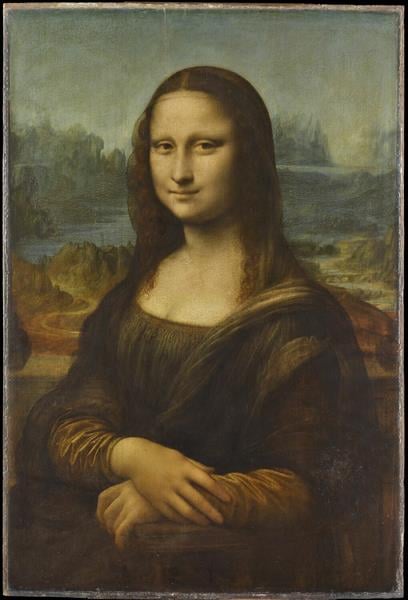
Leonardo da Vinci | Style: High Renaissance | Genre: portrait | Location: Florence, Italy
The Mona Lisa is a half-length portrait painting by the Italian artist Leonardo da Vinci. Considered an archetypal masterpiece of the Italian Renaissance, it has been described as "the best known, the most visited, the most written about, the most sung about, [and] the most parodied work of art in the world." The painting's novel qualities include the subject's enigmatic expression, monumentality of the composition, the subtle modelling of forms, and the atmospheric illusionism.
Vincent van Gogh | Style: Post-Impressionism | Genre: sketch and study | Location: Arles, Bouches-du-RhôneFrance
The Starry Night, often called simply Starry Night, is an oil-on-canvas painting by the Dutch Post-Impressionist painter Vincent van Gogh. Painted in June 1889, it depicts the view from the east-facing window of his asylum room at Saint-Rémy-de-Provence, just before sunrise, with the addition of an imaginary village. It has been in the permanent collection of the Museum of Modern Art in New York City since 1941, acquired through the Lillie P. Bliss Bequest. Described as a "touchstone of moder...
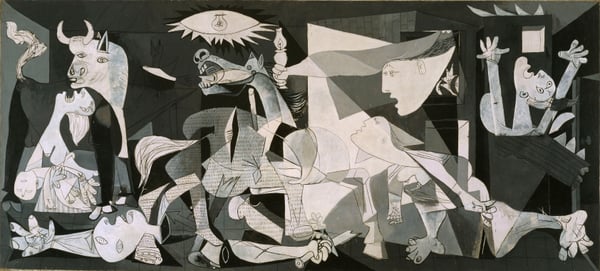
Pablo Picasso | Style: Cubism | Genre: allegorical painting
Guernica is a large 1937 oil painting by Spanish artist Pablo Picasso. It is one of his best-known works, regarded by many art critics as the most moving and powerful anti-war painting in history. It is exhibited in the Museo Reina Sofía in Madrid.
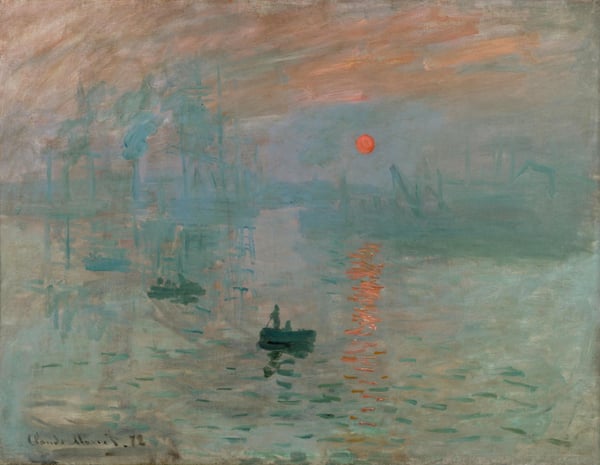
Claude Monet | Style: Impressionism | Genre: cityscape
Impression, Sunrise is an 1872 painting by Claude Monet first shown at what would become known as the "Exhibition of the Impressionists" in Paris in April, 1874. The painting is credited with inspiring the name of the Impressionist movement.
Salvador Dali | Style: Surrealism | Genre: symbolic painting
The Great Masturbator (1929) is a painting executed by Salvador Dalí, contributing to the surrealist movement. It is currently displayed at Museo Nacional Centro de Arte Reina Sofía, Madrid.
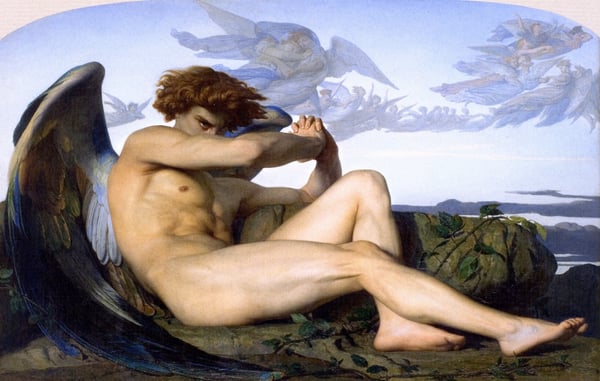
Alexandre Cabanel was a French painter. He painted historical, classical and religious subjects in the academic style. He was also well known as a portrait painter. He was Napoleon III's preferred painter and, with Gérôme and Meissonier, was one of "the three most successful artists of the Second Empire."
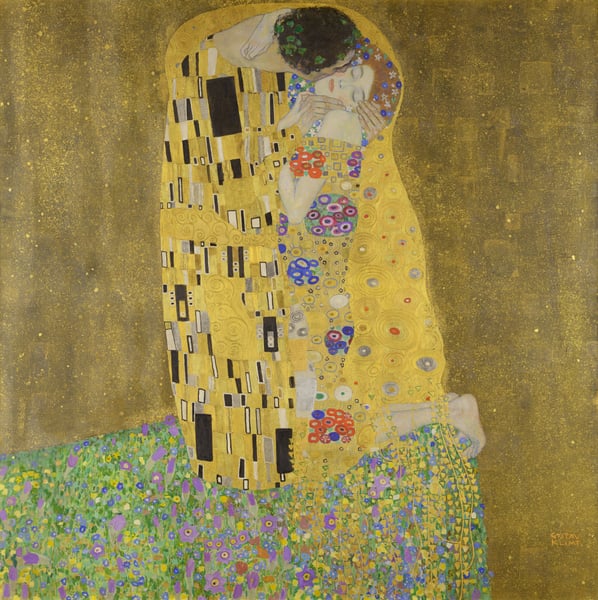
Gustav Klimt . 1907-1908 . Art Nouveau (Modern)藝術作品
Gustav Klimt | Style: Art Nouveau (Modern) | Genre: genre painting
The Kiss is an oil-on-canvas painting with added gold leaf, silver and platinum by the Austrian Symbolist painter Gustav Klimt. It was painted at some point in 1907 and 1908, during the height of what scholars call his "Golden Period". It was exhibited in 1908 under the title Liebespaar as stated in the catalogue of the exhibition. The painting depicts a couple embracing each other, their bodies entwined in elaborate robes decorated in a style influenced by the contemporary Art Nouveau style ...
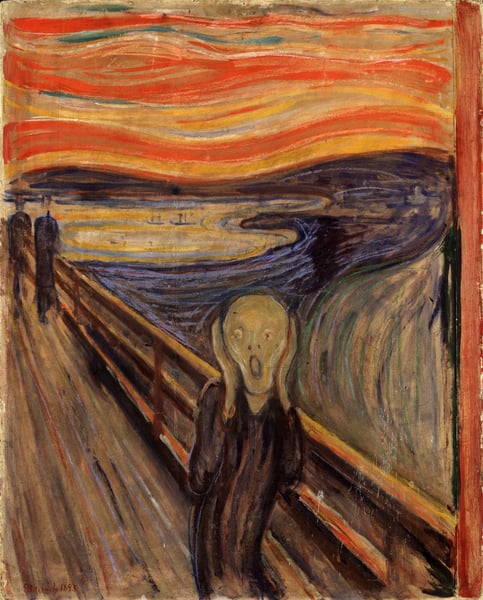
The Scream is an art composition created by Norwegian artist Edvard Munch in 1893. The Norwegian name of the piece is Skrik ('Scream'), and the German title under which it was first exhibited is Der Schrei der Natur. The agonized face in the painting has become one of the most iconic images in art, seen as representing a profound experience of existential dread related to the human condition. Munch's work, including The Scream, had a formative influence on the Expressionist movement.
Sandro Botticelli . 1483-1485 . Early Renaissance藝術作品
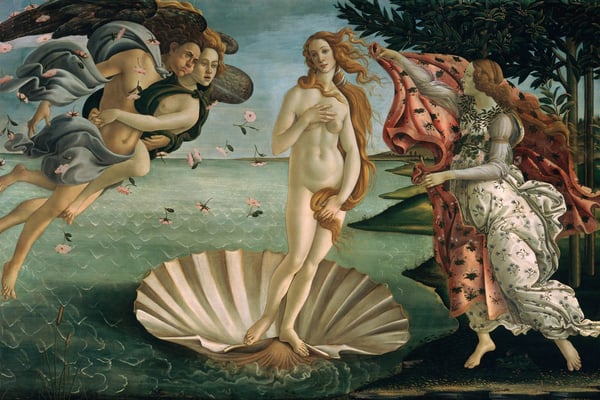
Sandro Botticelli | Style: Early Renaissance | Genre: mythological painting
The Birth of Venus is a painting by the Italian artist Sandro Botticelli, probably executed in the mid-1480s. It depicts the goddess Venus arriving at the shore after her birth, when she had emerged from the sea fully-grown. The painting is in the Uffizi Gallery in Florence, Italy.
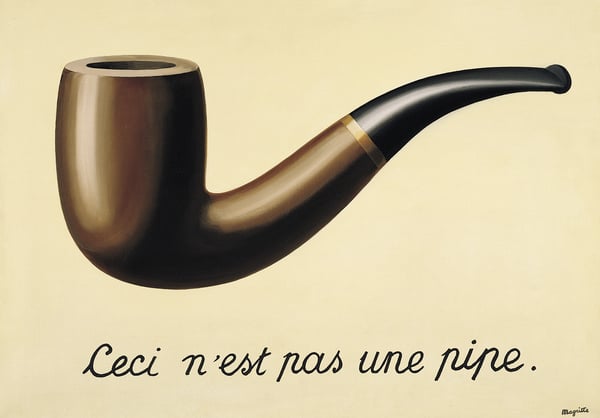
The Treachery of Images is a 1929 painting by Belgian surrealist painter René Magritte. It is also known as This Is Not a Pipe, Ceci n'est pas une pipe and The Wind and the Song. It is on display at the Los Angeles County Museum of Art.
The Garden of Earthly Delights is the modern title given to a five-panel triptych by the Early Netherlandish master Hieronymus Bosch, between 1490 and 1510, when Bosch was between 40 and 60 years old. Because of Bosch's religious beliefs, interpretations of the work typically assume it is a warning against the perils of temptation. The outer panels place the work on the Third Day of Creation. The intricacy of its symbolism, particularly that of the central panel, has led to a wide range of sc...
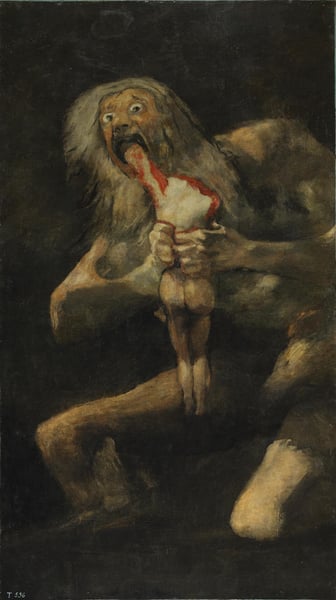
Francisco Goya | Style: Romanticism | Genre: mythological painting
Saturn Devouring His Son is a painting by Spanish artist Francisco Goya. The work is one of the 14 so-called Black Paintings that Goya painted directly on the walls of his house some time between 1820 and 1823. It was transferred to canvas after Goya's death and is now in the Museo del Prado in Madrid.
Michelangelo | Style: High Renaissance | Genre: religious painting
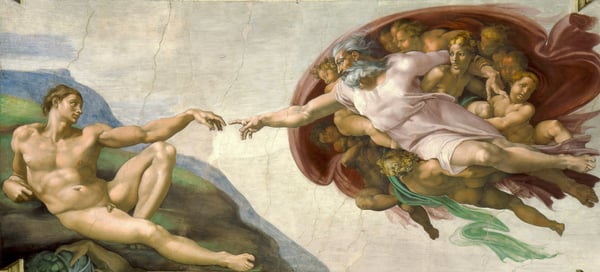
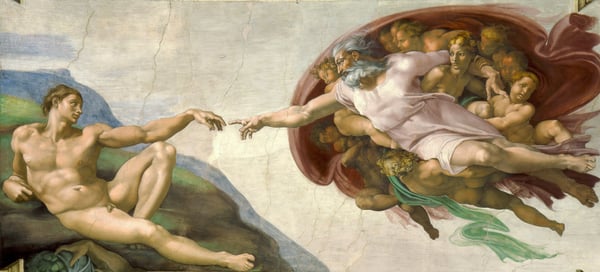
The Creation of Adam, also known as The Creation of Man, is a fresco painting by Italian artist Michelangelo, which forms part of the Sistine Chapel's ceiling, painted c. 1508–1512. It illustrates the Biblical creation narrative from the Book of Genesis in which God gives life to Adam, the first man. The fresco is part of a complex scheme and is chronologically the fourth in the series of panels depicting episodes from Genesis.
Pablo Picasso | Style: Expressionism | Genre: genre painting
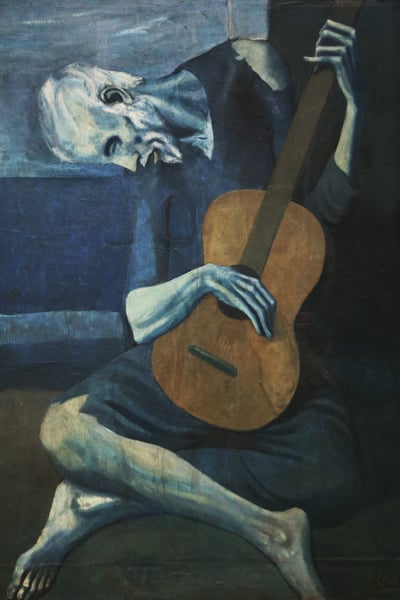
The Old Guitarist is an oil painting by Pablo Picasso, which he created in late 1903 and early 1904. It depicts an elderly musician, a haggard man with threadbare clothing, who is hunched over his guitar while playing in the streets of Barcelona, Spain. It is on display at the Art Institute of Chicago as part of the Helen Birch Bartlett Memorial Collection.
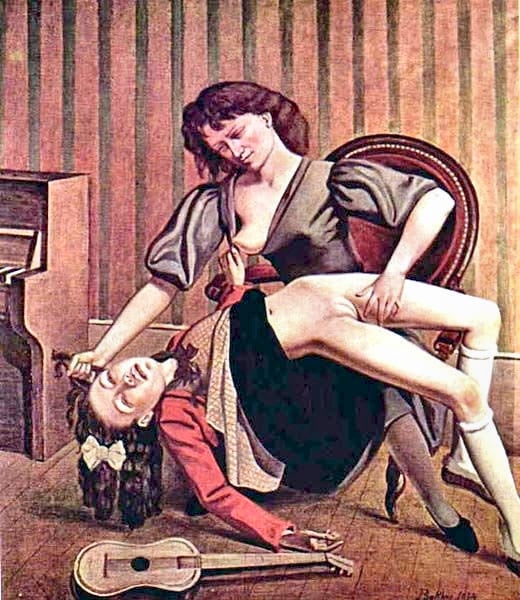
Guitar Lesson is a symbolic painting by Balthus from 1934, executed in the Surrealist style. The work's title names its ostensible subject—a lesson involving a guitar—though Surrealist symbolic practices inflect the presentation beyond literal instruction.
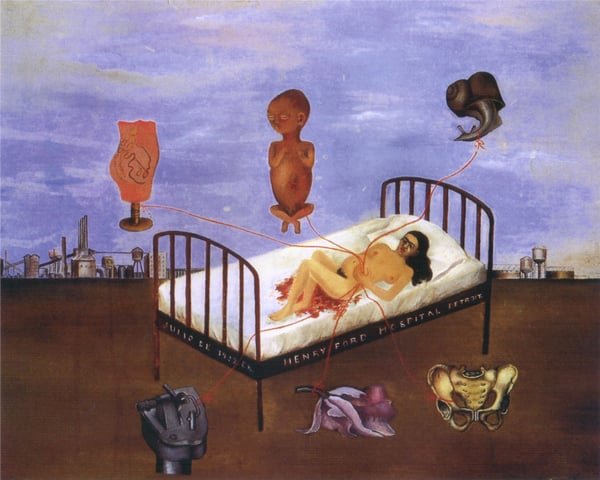
Henry Ford Hospital is a 1932 oil-on-metal painting by the Mexican artist Frida Kahlo about her experience of delivering a dead male fetus on 4 July at Henry Ford Hospital in Detroit, Michigan, United States, when she was approximately 31⁄2 months pregnant. Depictions of childbirth, abortion, or miscarriage are rare in the canon of Western painting, and Kahlo is "one of the only major artists to directly communicate her reproductive grief through visual art." The "bloody and terrifying" paint...
Wassily Kandinsky | Style: Abstract Art | Genre: abstract
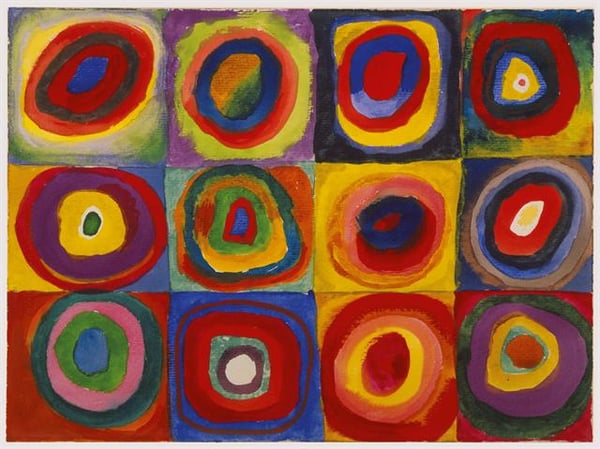
Wassily Kandinsky's Color Study: Squares with Concentric Circles (1913) is an abstract work composed of geometric forms—squares and concentric circles—organized as a color study.
Johannes Vermeer | Style: Baroque | Genre: portrait, tronie
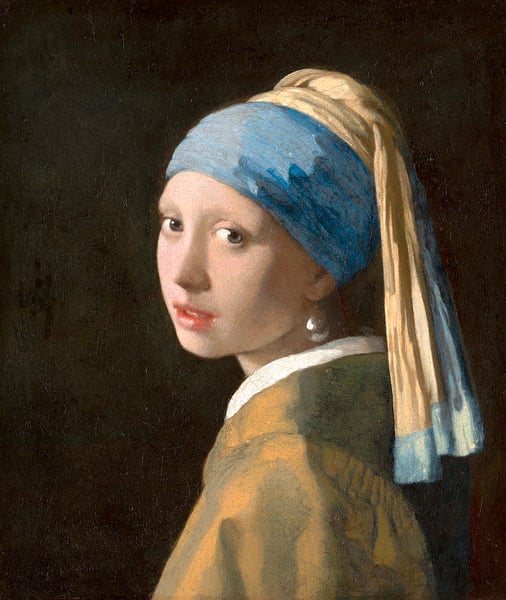
Girl with a Pearl Earring is an oil painting by Dutch Golden Age painter Johannes Vermeer, dated c. 1665. Going by various names over the centuries, it acquired its present title towards the end of the 20th century. The work has been in the collection of the Mauritshuis in The Hague since 1902 and has been the subject of various literary and cinematic treatments.
Rembrandt | Style: Baroque | Genre: religious painting
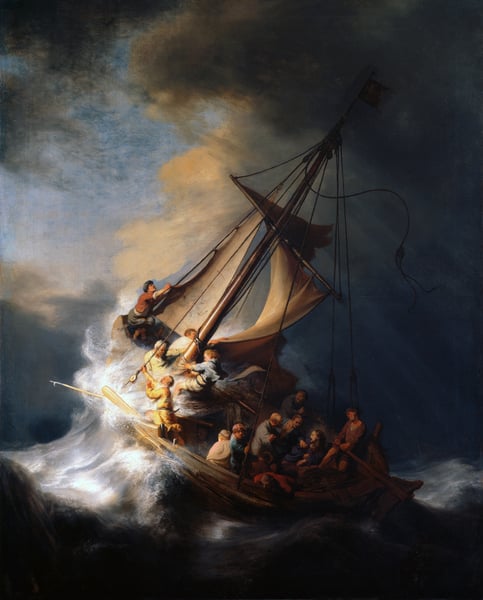
Christ in the Storm on the Sea of Galilee is a 1633 oil-on-canvas painting by the Dutch Golden Age painter Rembrandt van Rijn. It is classified as a history painting and ranks among the largest and earliest of Rembrandt's works. Purchased by art historian Bernard Berenson for Isabella Stewart Gardner in 1898, it was displayed at the Isabella Stewart Gardner Museum in Boston until its theft in 1990; its whereabouts remain unknown. The painting vividly portrays the biblical miracle in which Jes...
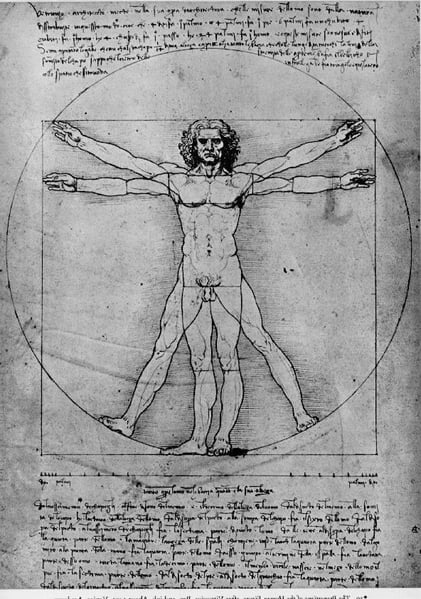
Leonardo da Vinci | Style: High Renaissance | Genre: design | Location: MilanItaly
Vitruvian Man is a drawing by the Italian Renaissance artist and scientist Leonardo da Vinci, dated to c. 1490. Inspired by the Roman architect Vitruvius, it depicts a nude man in two overlapping standing positions, inscribed within a circle and a square. Art historian Carmen C. Bambach described it as "justly ranked among the all-time iconic images of Western civilization". While not the only drawing inspired by Vitruvius, Leonardo's work uniquely combines artistic vision with scientific inq...
Salvador Dali | Style: Surrealism | Genre: genre painting
Hitler Masturbating is a 1973 surrealist work by Salvador Dalí that applies the vocabulary of surrealism to a provocative subject matter aligned with the genre tradition of depicting human activity.
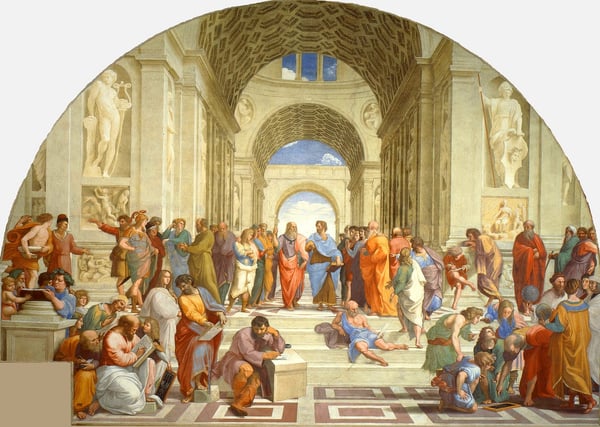
Raphael | Style: High Renaissance | Genre: history painting
The School of Athens is a fresco by the Italian Renaissance artist Raphael. It was painted between 1509 and 1511 as part of a commission by Pope Julius II to decorate the rooms now called the Stanze di Raffaello in the Apostolic Palace in Vatican City.
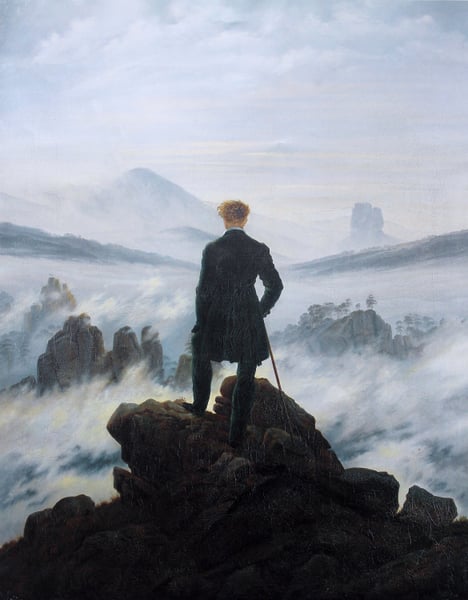
Caspar David Friedrich | Style: Romanticism | Genre: allegorical painting | Location: Germany
Wanderer above the Sea of Fog is a painting by German Romanticist artist Caspar David Friedrich in 1818. It depicts a man standing upon a rocky precipice with his back to the viewer; he is gazing out on a landscape covered in a thick sea of fog through which other ridges, trees, and mountains pierce, which stretches out into the distance indefinitely.
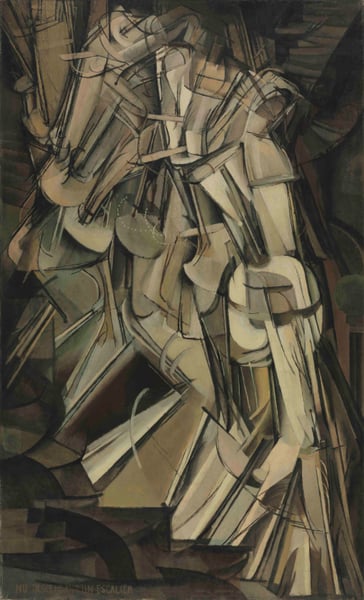
Nude Descending a Staircase, No. 2 is a 1912 painting by Marcel Duchamp. The work is widely regarded as a Modernist classic and has become one of the most famous of its time. Before its first presentation at the 1912 Salon des Indépendants in Paris it was rejected by the Cubists as being too Futurist. It was then exhibited with the Cubists at Galeries Dalmau's Exposició d'Art Cubista, in Barcelona, 20 April – 10 May 1912. The painting was subsequently shown, and ridiculed, at the 1913 Armory ...
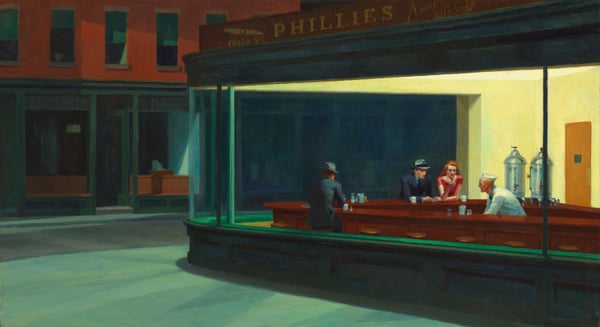
Edward Hopper | Style: Social Realism | Genre: cityscape
Nighthawks is a 1942 oil on canvas painting by the American artist Edward Hopper that portrays four people in a downtown diner late at night as viewed through the diner's large glass window. The light coming from the diner illuminates a darkened and deserted urban streetscape.
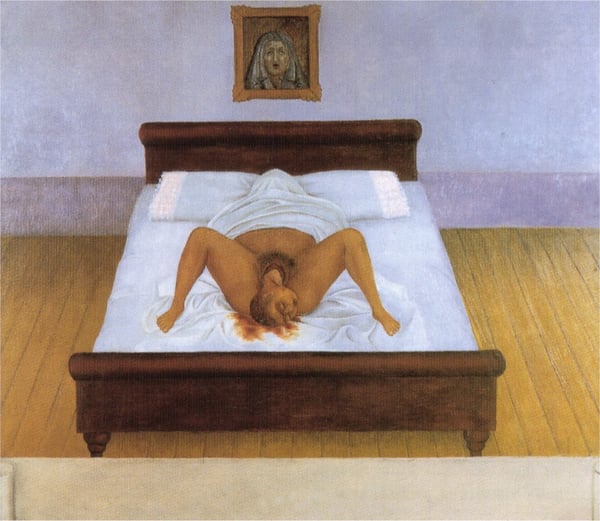
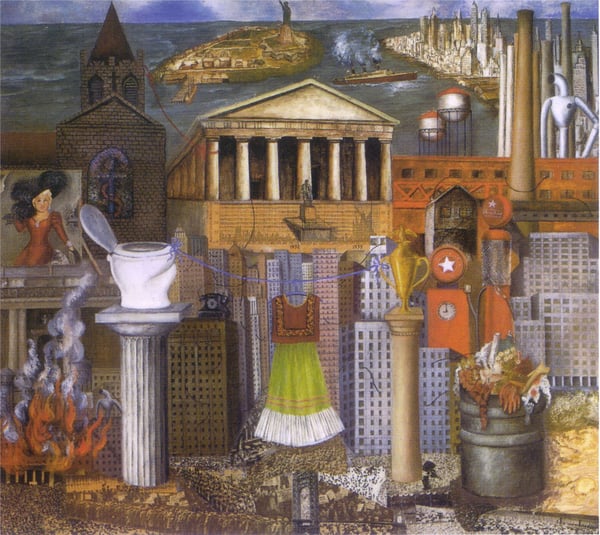
My Birth is a genre painting by Frida Kahlo created in 1932, executed in the naïve art tradition. The work depicts the subject named in its title, rendered in a primitivist style.
Salvador Dali | Style: Surrealism | Genre: symbolic painting
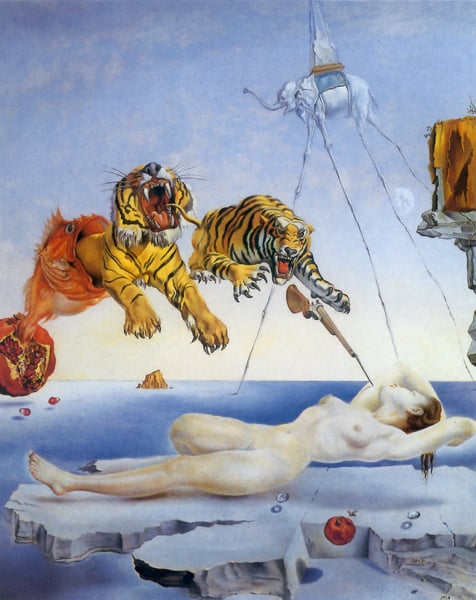
Dream Caused by the Flight of a Bee Around a Pomegranate a Second Before Awakening is a surrealist painting by Salvador Dalí, from 1944. A shorter alternate title for the painting is Dream Caused by the Flight of a Bee. The woman in the painting, dreaming, is believed to represent his wife, Gala, a regular presence in his work. The painting is currently in the Thyssen-Bornemisza Museum, in Madrid.
Georges Seurat | Style: Pointillism | Genre: cityscape
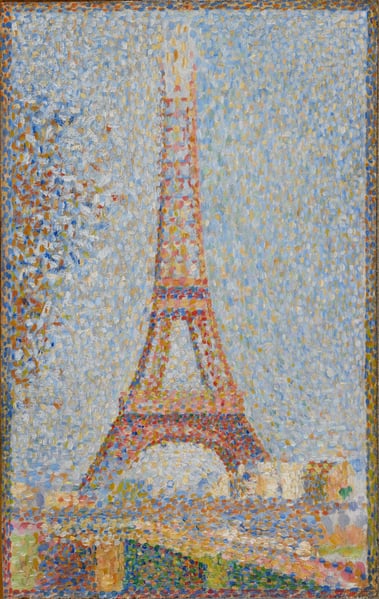
The Eiffel Tower, painted by Georges Seurat in 1889, depicts the structure named in its title using the pointillist technique characteristic of Neo-Impressionism.
Claude Monet | Style: Impressionism | Genre: genre painting
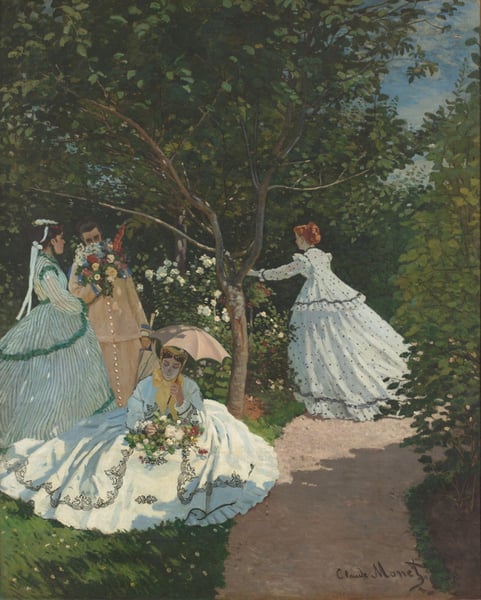
Women in the Garden is an oil painting begun in 1866 by French artist Claude Monet when he was 26. It is a large work painted en plein air; the size of the canvas necessitated Monet painting its upper half with the canvas lowered into a trench he had dug, so that he could maintain a single point of view for the entire work. The setting is the garden of a property he was renting. His companion and future wife Camille Doncieux posed for the figures. Monet finished the work indoors, and used mag...
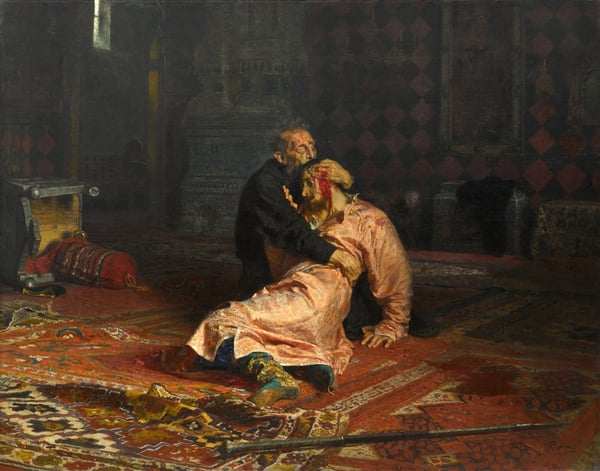
Ivan the Terrible and His Son Ivan on 16 November 1581 is a painting by Russian realist artist Ilya Repin made between 1883 and 1885. It depicts the grief-stricken Russian tsar Ivan the Terrible cradling his dying son, the Tsarevich Ivan Ivanovich, shortly after Ivan the Terrible had dealt a fatal blow to his son's head in a fit of anger. The painting portrays the anguish and remorse on the face of the elder Ivan and the shock and heartbreak of the dying Tsarevich, shedding a tear at the unex...
Andy Warhol | Style: Pop Art | Genre: portrait, figurative
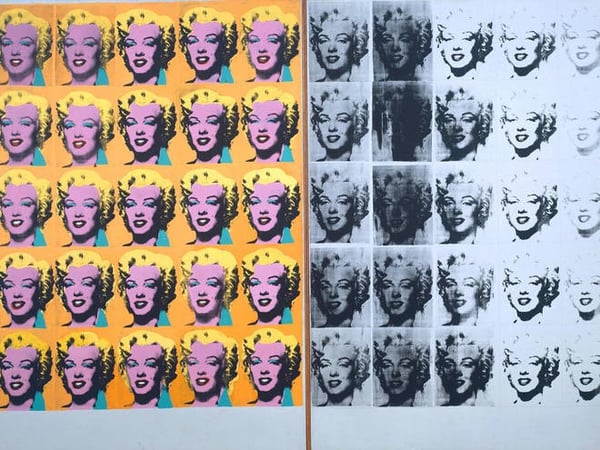
Marilyn Diptych is a 1962 silkscreen print by American pop artist Andy Warhol depicting Marilyn Monroe. The monumental work is one of the artist's most noted of the movie star.
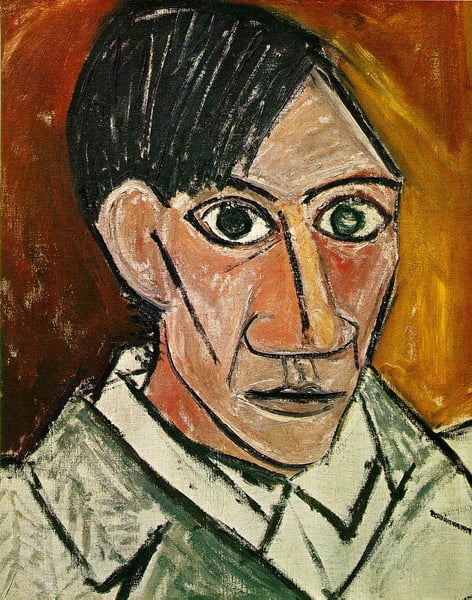
Pablo Picasso's Self-Portrait from 1907 depicts the artist himself in a work created during his early engagement with modernist approaches that would culminate in Les Demoiselles d'Avignon later that same year.
Frida Kahlo | Style: Naïve Art (Primitivism) | Genre: self-portrait
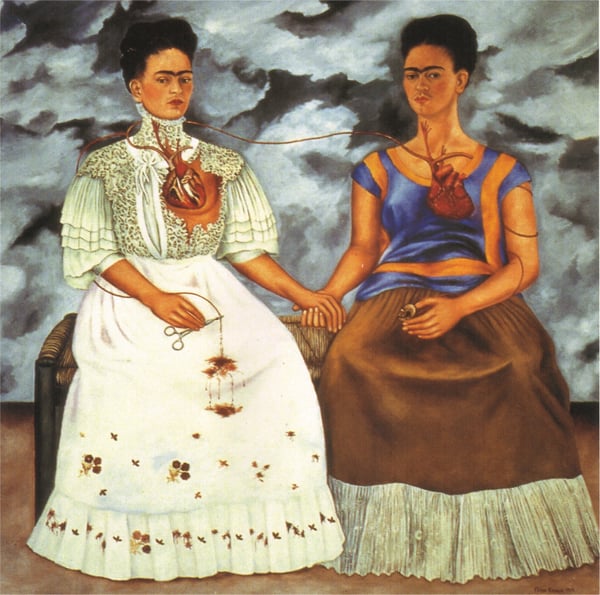
The Two Fridas is an oil painting by Mexican artist Frida Kahlo. The painting was the first large-scale work done by Kahlo and is considered one of her most notable paintings. It is a double self-portrait, depicting two versions of Kahlo seated together. One is wearing a white European style Victorian dress, while the other is wearing a traditional Tehuana dress. The painting is housed at the Museo de Arte Moderno in Mexico City.
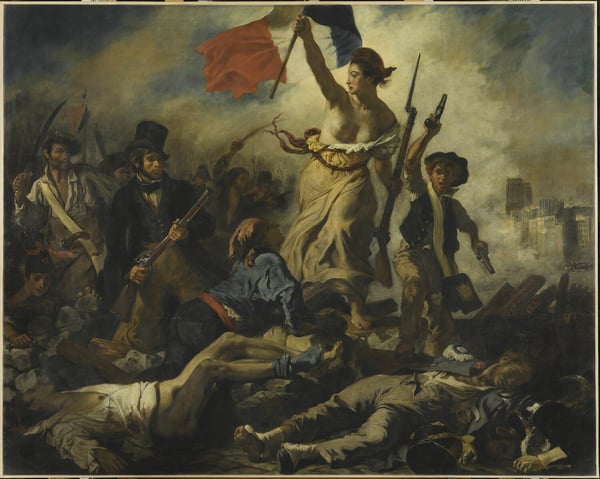
Liberty Leading the People is a painting of the Romantic era by the French artist Eugène Delacroix, commemorating the July Revolution of 1830 that toppled King Charles X. A bare-breasted "woman of the people" with a Phrygian cap personifying the concept and Goddess of Liberty, accompanied by a young boy brandishing a pistol in each hand, leads a group of various people forward over a barricade and the bodies of the fallen while holding aloft the flag of the French Revolution—the tricolour, wh...
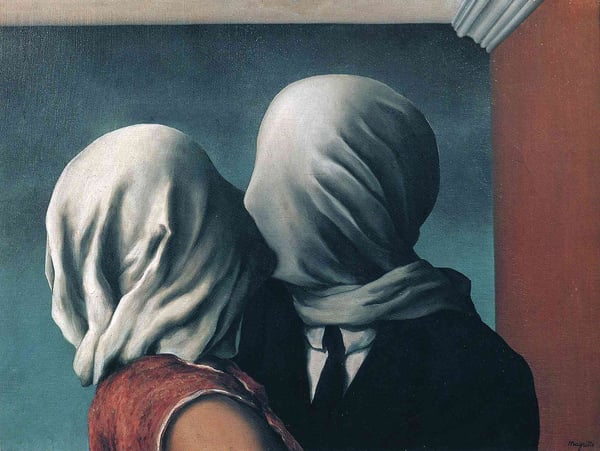
The Lovers is a surrealist painting by René Magritte, made in Paris in 1928. It is the first in a series of four variations, and in the painting two people can be seen kissing passionately with their faces covered in a white cloth hiding their identities. The barrier of fabric transforms an act of passion, such as a kiss, into an act of frustration, representing the lovers who cannot be together. Currently, it is located in the MoMA of New York City, as a part of Richard S. Zeisler's collection.
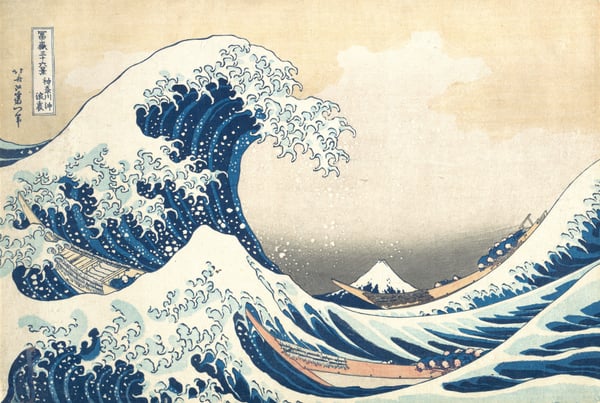
The Great Wave off Kanagawa is a woodblock print by the Japanese ukiyo-e artist Hokusai (1760–1849), created in late 1831 during the Edo period of Japanese history. The print depicts three boats moving through a storm-tossed sea, with a large, cresting wave forming a spiral in the centre over the boats and Mount Fuji in the background.
Henri Matisse | Style: Expressionism | Genre: genre painting
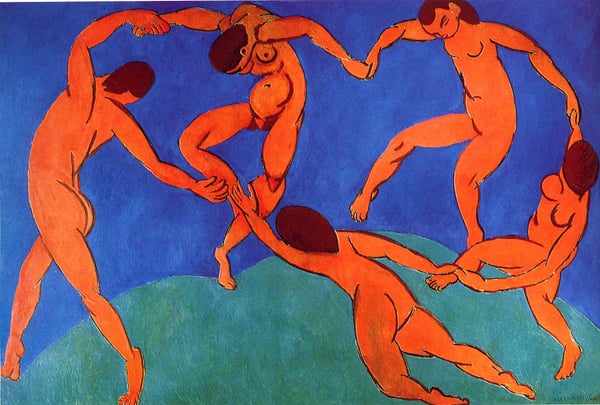
Dance (La Danse) is a painting made by Henri Matisse in 1910, at the request of Russian businessman and art collector Sergei Shchukin, who bequeathed the large decorative panel to the Hermitage Museum, in Saint Petersburg. The composition of dancing figures is commonly recognized as "a key point of (Matisse's) career and in the development of modern painting". A preliminary version of the work, sketched by Matisse in 1909 as a study for the work, resides at MoMA in New York, where it has been...
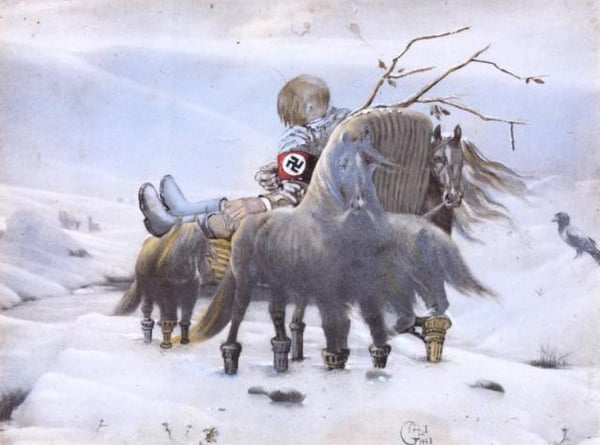
Adolf Hitler | Style: Realism | Genre: religious painting
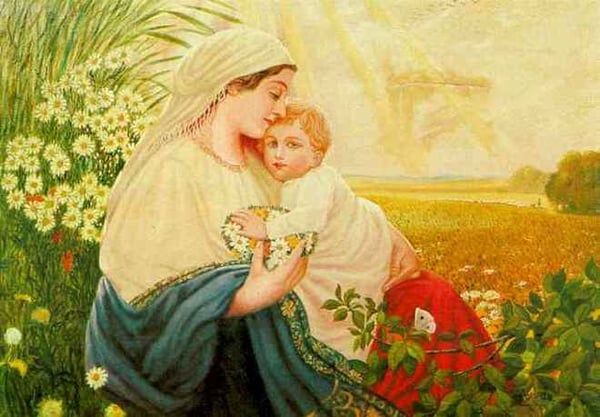
Mother Mary with the Holy Child Jesus Christ is a 1913 religious painting in the realist style by Adolf Hitler. The work depicts its titular subjects in accordance with Christian iconographic tradition.
Leonardo da Vinci . 1489-1490 . High Renaissance藝術作品
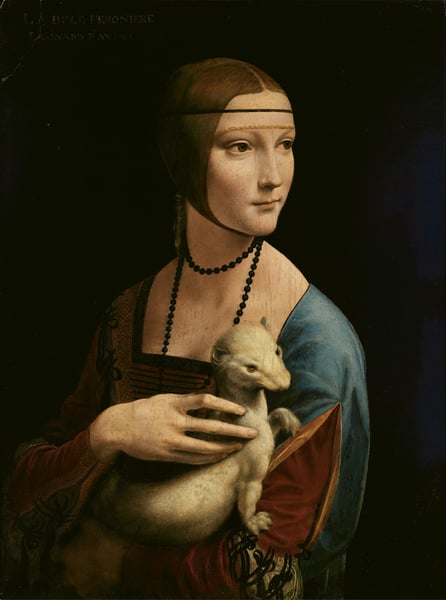
Leonardo da Vinci | Style: High Renaissance | Genre: portrait | Location: MilanItaly
The Lady with an Ermine is a portrait painting by the Italian Renaissance artist Leonardo da Vinci. Dated to c. 1489–1491, the work is painted in oils on a panel of walnut wood. Its subject is Cecilia Gallerani, a mistress of Ludovico Sforza, Duke of Milan; Leonardo was painter to the Sforza court in Milan at the time of its execution. It is the second of only four surviving portraits of women painted by Leonardo, the others being Ginevra de' Benci, La Belle Ferronnière and the Mona Lisa.
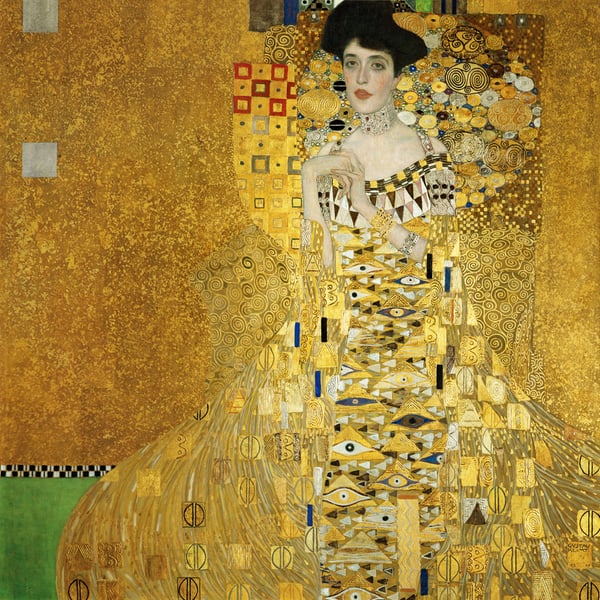
Gustav Klimt | Style: Art Nouveau (Modern) | Genre: portrait
Portrait of Adele Bloch-Bauer I is an oil painting on canvas, with gold leaf, by Gustav Klimt, completed between 1903 and 1907. The portrait was commissioned by the sitter's husband, Ferdinand Bloch-Bauer, a Viennese and Jewish banker and sugar producer. The painting was stolen by the Nazis in 1941 and displayed at the Österreichische Galerie Belvedere. The portrait is the final and most fully representative work of Klimt's golden phase. It was the first of two depictions of Adele by Klimt—th...
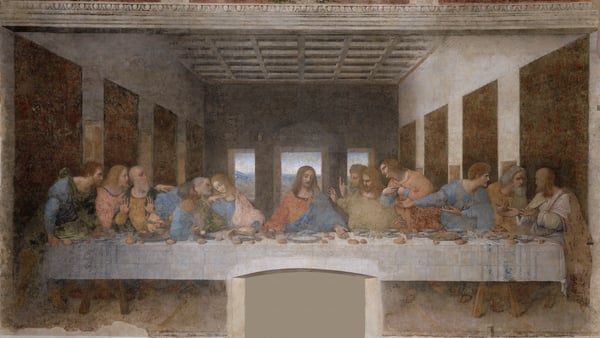
Leonardo da Vinci | Style: High Renaissance | Genre: religious painting | Location: MilanItaly
The Last Supper is a mural painting by the Italian High Renaissance artist Leonardo da Vinci, dated to c. 1495–1498, housed in the refectory of the Convent of Santa Maria delle Grazie in Milan, Italy. The painting represents the scene of the Last Supper of Jesus with the Twelve Apostles, as it is told in the Gospel of John – specifically the moment after Jesus announces that one of his apostles will betray him. Its handling of space, mastery of perspective, treatment of motion and complex dis...
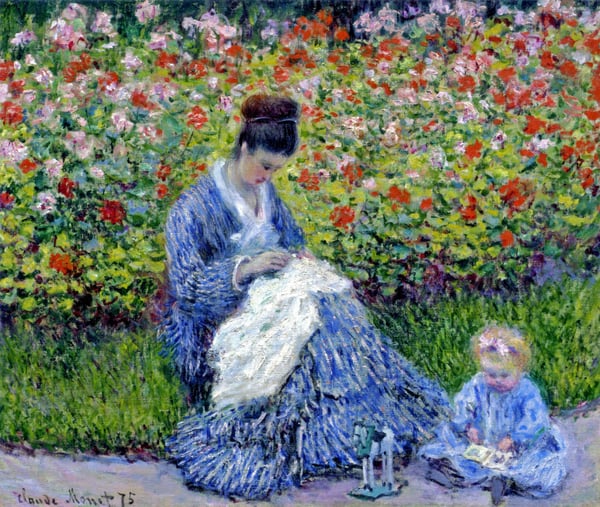
Claude Monet | Style: Impressionism | Genre: portrait
Camille Monet and a Child in the Artist's Garden in Argenteuil depicts the artist's wife and a child in an outdoor setting, painted by Claude Monet in 1875 in the Impressionist style. The work combines portraiture with a domestic garden scene rendered in the loose brushwork and light-focused techniques characteristic of Impressionism.
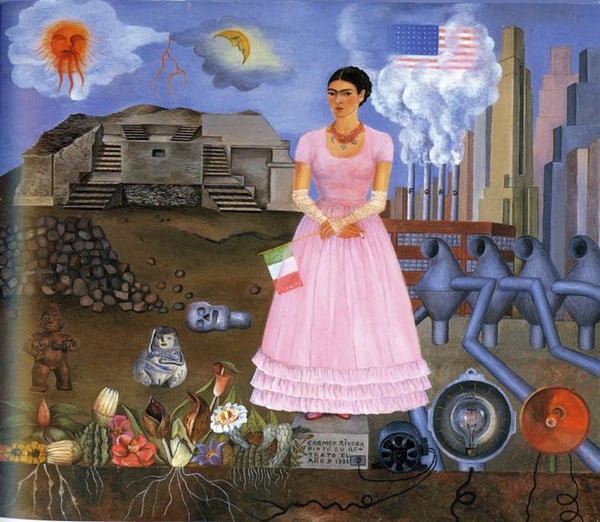
Self-Portrait Along the Border Line Between Mexico and the United States is a 1932 self-portrait by Frida Kahlo that combines naïve and surrealist approaches. The work depicts the artist positioned at a border line between Mexico and the United States, rendering the literal subject named in its title.
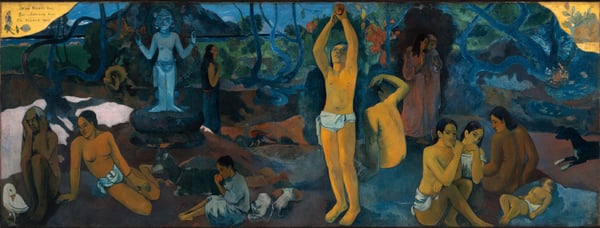
Where Do We Come From? What Are We? Where Are We Going? is an 1897–98 painting by French artist Paul Gauguin. The painting was created in Tahiti and is in the Museum of Fine Arts in Boston, Massachusetts. Viewed as a masterpiece by Gauguin, the painting is considered "a philosophical work comparable to the themes of the Gospels".
Michelangelo | Style: High Renaissance | Genre: mythological painting
The Creation of Adam, also known as The Creation of Man, is a fresco painting by Italian artist Michelangelo, which forms part of the Sistine Chapel's ceiling, painted c. 1508–1512. It illustrates the Biblical creation narrative from the Book of Genesis in which God gives life to Adam, the first man. The fresco is part of a complex scheme and is chronologically the fourth in the series of panels depicting episodes from Genesis.
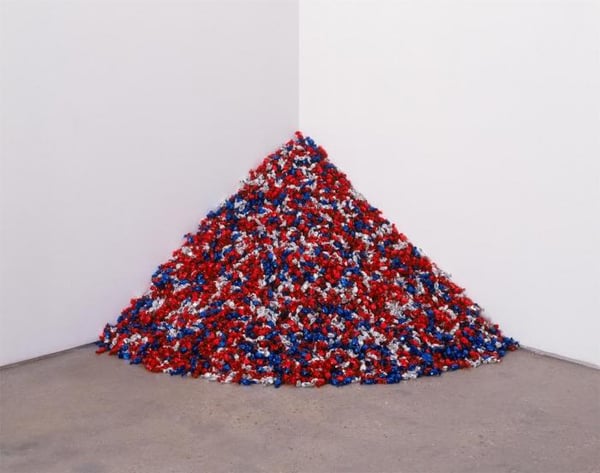
Felix Gonzalez-Torres | Style: Conceptual Art | Genre: installation
"Untitled" (Portrait of Ross in L.A.) is a 1991 conceptual art installation by Felix Gonzalez-Torres. The work operates within the tradition of portraiture while employing the materials and spatial strategies of installation art, creating a portrait through conceptual means rather than representational imagery.
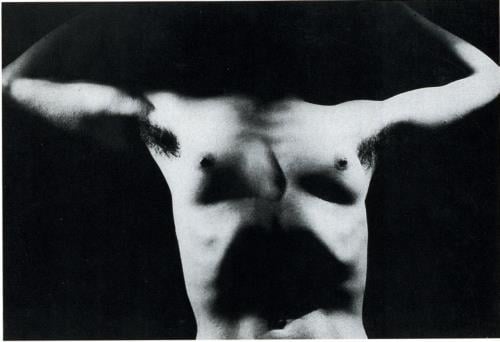
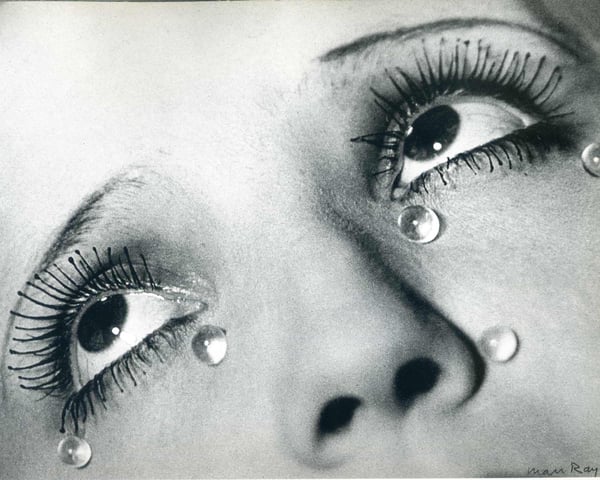
Larmes, or Tears; aka Larmes de Verre, in English, Glass Tears, is a black and white photograph created between 1930 and 1932 by the American photographer Man Ray.
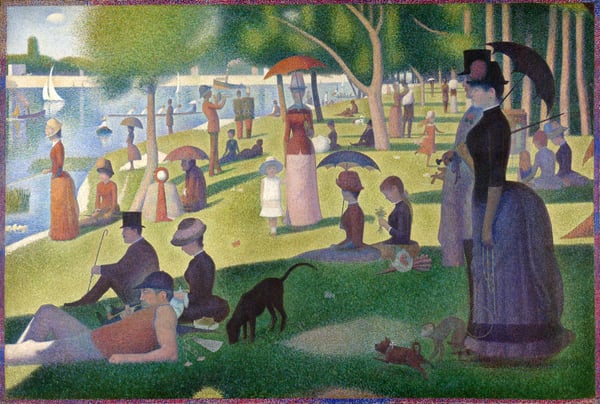
Georges Seurat | Style: Pointillism | Genre: genre painting | Location: France
A Sunday Afternoon on the Island of La Grande Jatte was painted from 1884 to 1886 and is Georges Seurat's most famous work. A leading example of pointillist technique, executed on a large canvas, it is a founding work of the neo-impressionist movement. Seurat's composition includes a number of Parisians at a park on the banks of the River Seine. It is held in the collection of the Art Institute of Chicago.
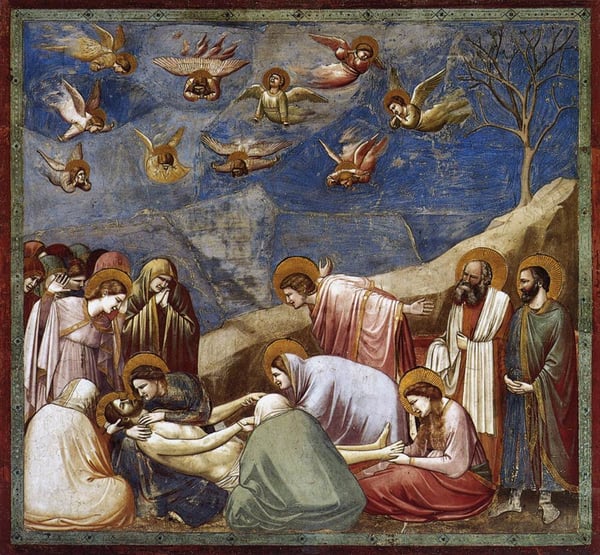
Giotto | Style: Proto Renaissance | Genre: religious painting
Giotto's Lamentation (The Mourning of Christ) (1304) depicts the mourning scene following Christ's crucifixion in the proto-Renaissance style. The work belongs to a religious tradition of representing grief and devotion at Christ's death.
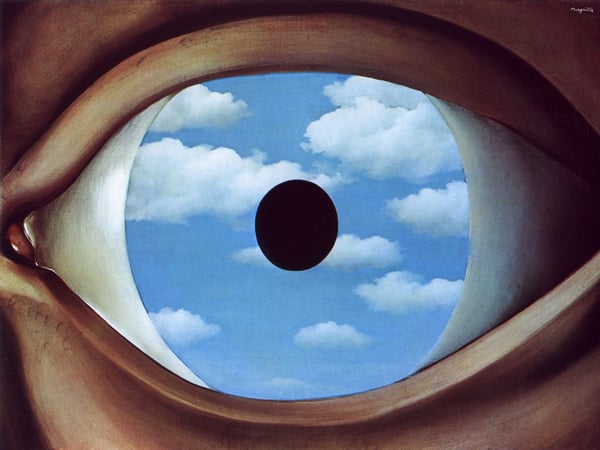
The False Mirror is a surrealist oil on canvas painting by René Magritte, from 1928. It depicts a human eye framing a cloudy, blue sky. In the depiction of the eye in the painting, the clouds take the place normally occupied by the iris. The painting's original French title is Le faux miroir.
Pablo Picasso | Style: Surrealism | Genre: portrait
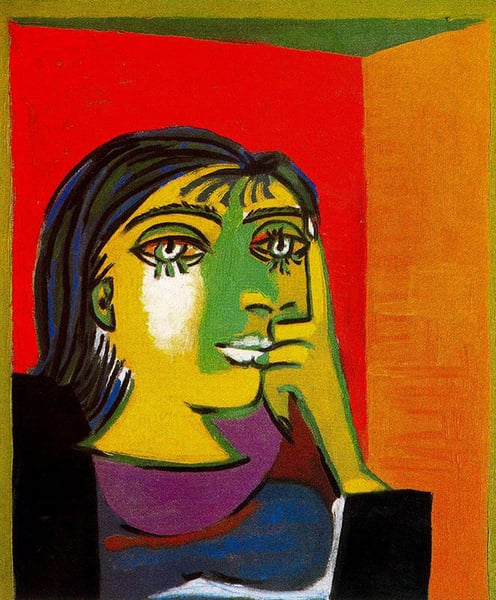
Portrait of Dora Maar is a 1937 oil on canvas painting by Pablo Picasso. It depicts Dora Maar,, the painter's lover, seated on a chair. It is part of the collection of the Musée Picasso, in Paris, where it is considered to be one of Picasso's masterpieces.
Edward Hopper | Style: New Realism | Genre: genre painting
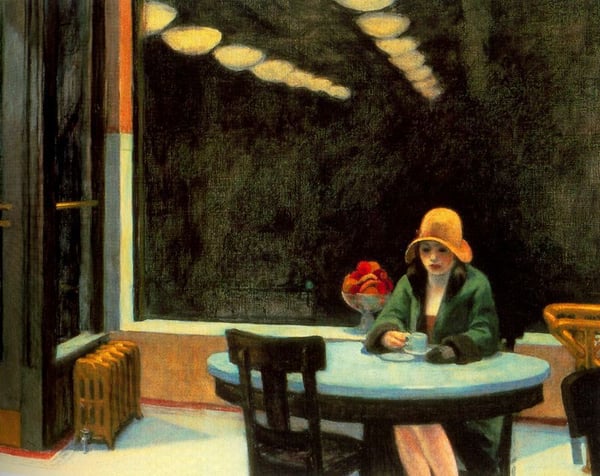
Automat is a 1927 oil painting by the American realist painter Edward Hopper. The painting was first displayed on Valentine's Day 1927 at the opening of Hopper's second solo show, at the Rehn Galleries in New York City. By April it had been sold for $1,200. The painting is today owned by the Des Moines Art Center, in Iowa.
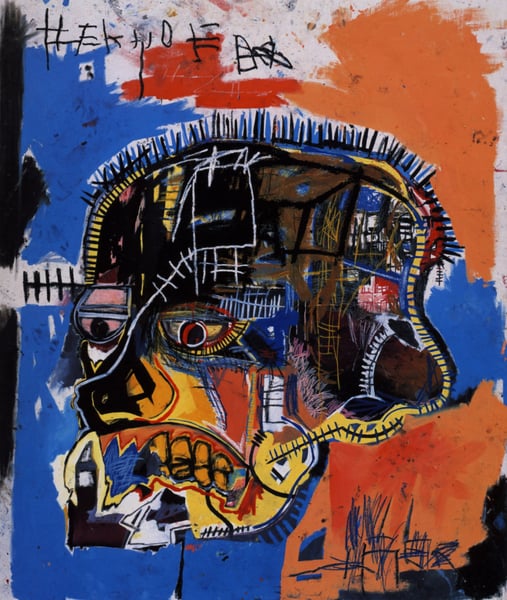
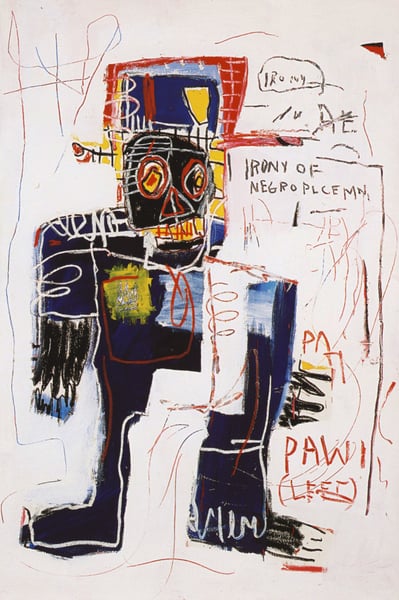
Irony of the Negro Policeman is a 1981 work by Jean-Michel Basquiat that addresses the contradictory position implied by its title through the artist's characteristic expressive approach.
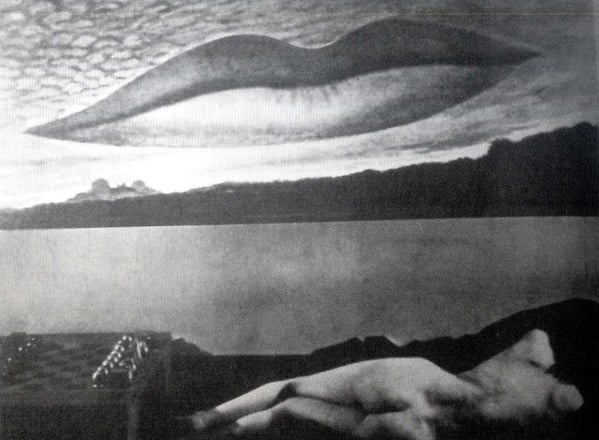
Observatory Time: The Lovers is a photograph by Man Ray from 1936, created in the Dada and Surrealist styles. The work combines photographic imagery with surrealist elements characteristic of Man Ray's experimental practice during this period.
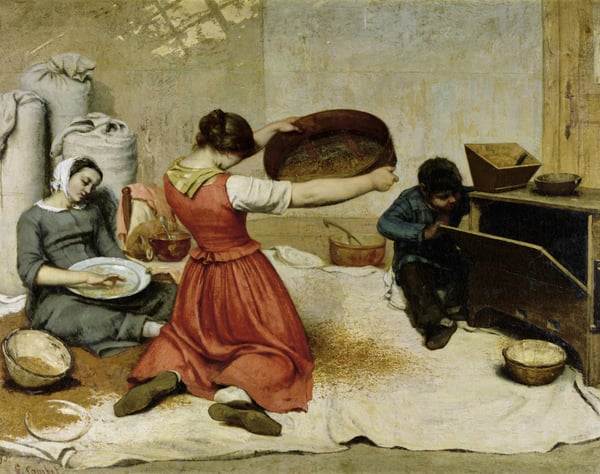
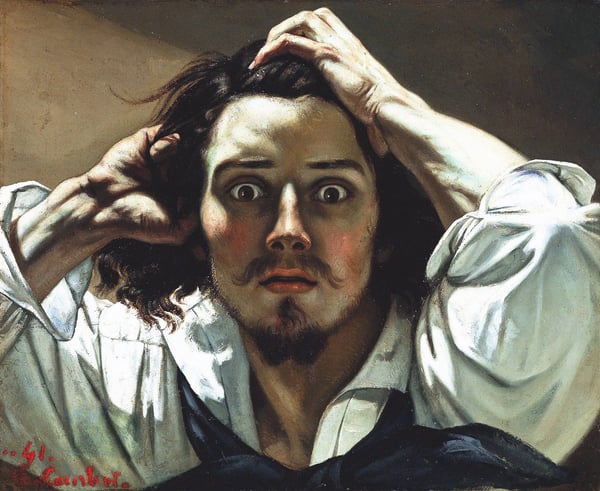
Le Désespéré is an oil-on-canvas self-portrait by Gustave Courbet, produced from 1843 to 1845, during his stay in Paris. It depicts Courbet as a young man staring in front of him with wide eyes, grasping his hair in desperation. It is now in the private collection of the Conseil Investissement Art BNP Paribas but was displayed in the Musée d'Orsay's 2007 Courbet exhibition.
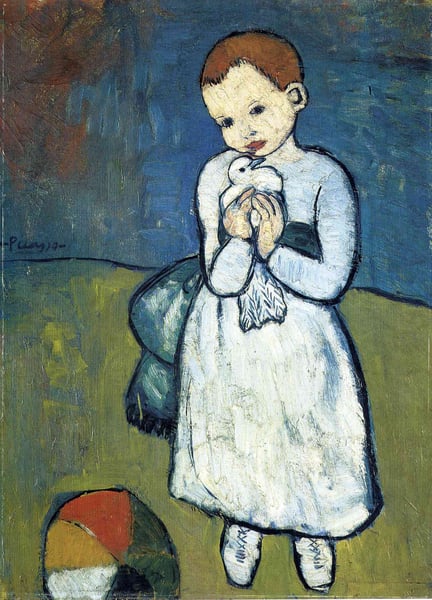
Pablo Picasso | Style: Post-Impressionism | Genre: genre painting
Child with Dove is a genre painting by Pablo Picasso from 1901, created during his Blue Period and associated with Post-Impressionism. The work depicts a child holding a dove, rendered in the artist's characteristic style of that era.
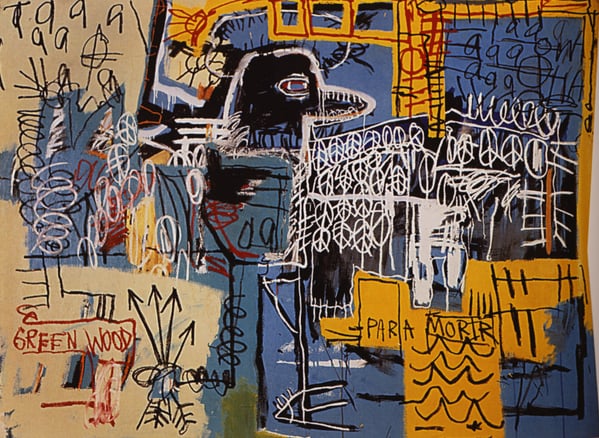
Bird on Money depicts a bird rendered in Basquiat's characteristic gestural style, positioned against or among monetary imagery. Created in 1981, the work combines figuration with currency symbolism, reflecting the artist's early engagement with themes of commerce and value that appear throughout his practice of this period.
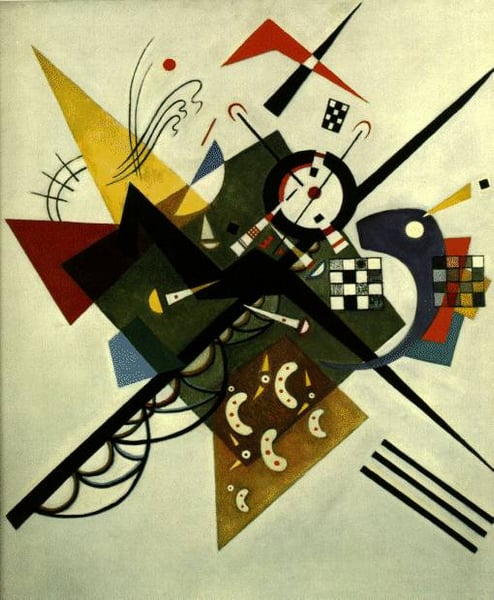
On White II is an abstract composition by Wassily Kandinsky from 1923. The work belongs to the abstract art movement and was created in Germany during a period of significant artistic innovation in modernism.
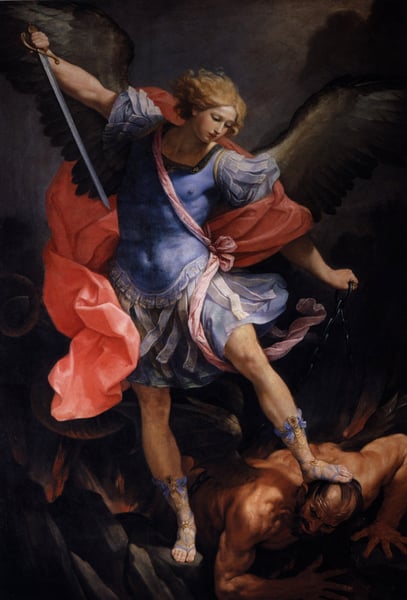
Guido Reni | Style: Baroque | Genre: religious painting
The Archangel Michael defeating Satan is a Baroque religious painting by Guido Reni from 1635. The work depicts the archangel in the act of vanquishing Satan, a subject central to Christian theology and iconography.
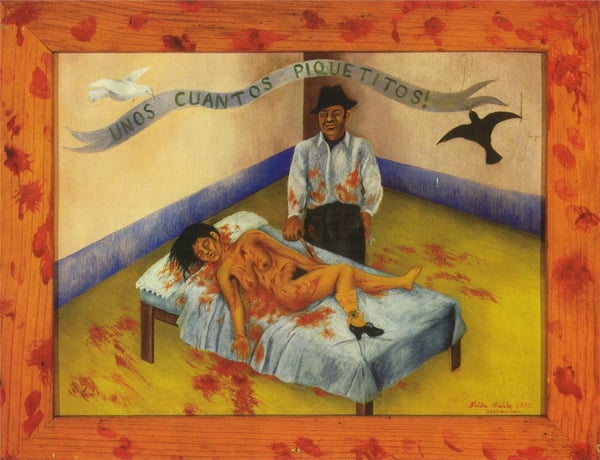
A Few Small Nips (Passionately in Love) is a genre painting by Frida Kahlo from 1935, executed in the naïve art style. The work depicts a domestic scene rendered with the flattened perspective and direct, unrefined forms characteristic of primitivism.
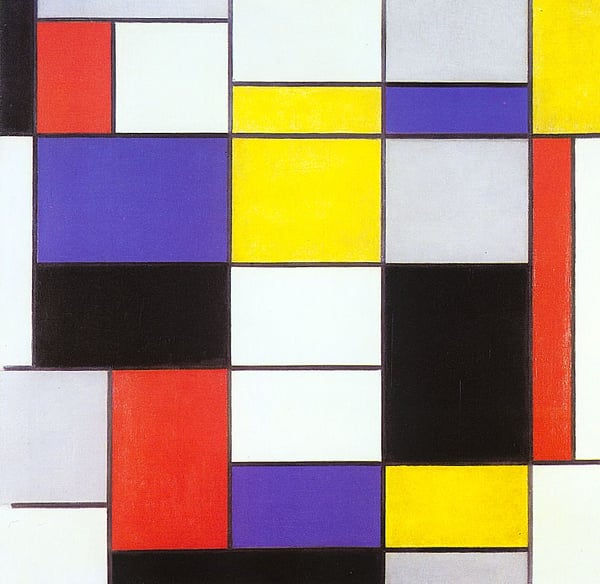
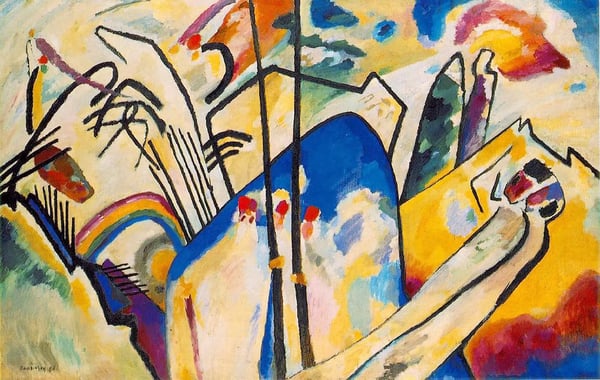
Composition IV is an abstract work by Wassily Kandinsky created in 1911, situated within the development of abstract art in early twentieth-century Europe.
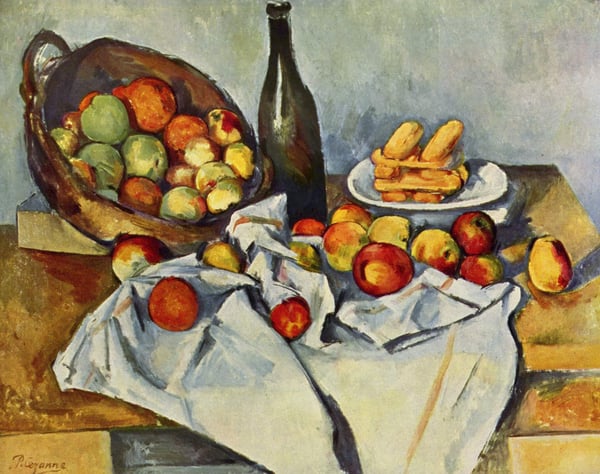
Paul Cezanne | Style: Post-Impressionism | Genre: still life
The Basket of Apples is a still-life oil painting by French artist Paul Cézanne, which he created c. 1893. The painting rejected naturalistic representation in favor of distorting objects to create multiple perspectives. This approach eventually influenced other art movements, including Fauvism and Cubism. It belongs to the Helen Birch Bartlett Memorial Collection of the Art Institute of Chicago.
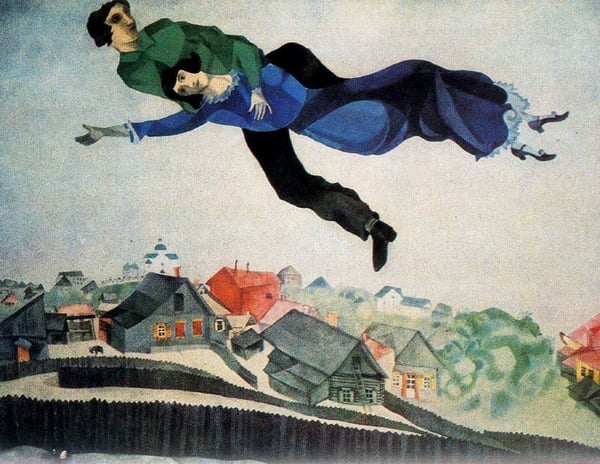
Marc Chagall | Style: Cubism | Genre: symbolic painting | Location: Liozna, near VitebskBelarus
Over the Town is a symbolic painting by Marc Chagall created in 1918. The work, executed in the Cubist style, depicts a scene rendered above or beyond a town, likely referencing Liozna near Vitebsk in Belarus, where Chagall was based during this period.
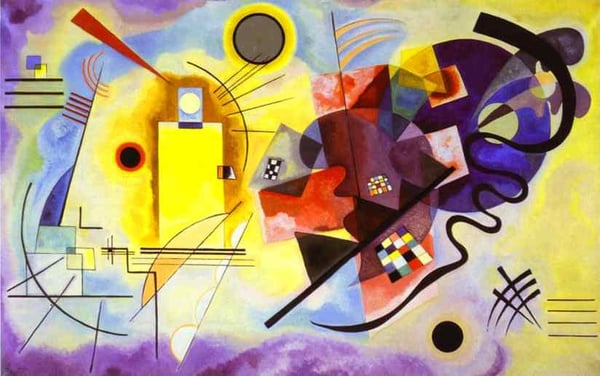
Wassily Kandinsky | Style: Abstract Art | Genre: abstract | Location: Alten / Dessau-altenGermany
Yellow-Red-Blue is an abstract work by Wassily Kandinsky from 1925, created during his time at the Bauhaus in Dessau, Germany. The painting exemplifies the artist's approach to abstraction through the interaction of its primary color elements and geometric forms.
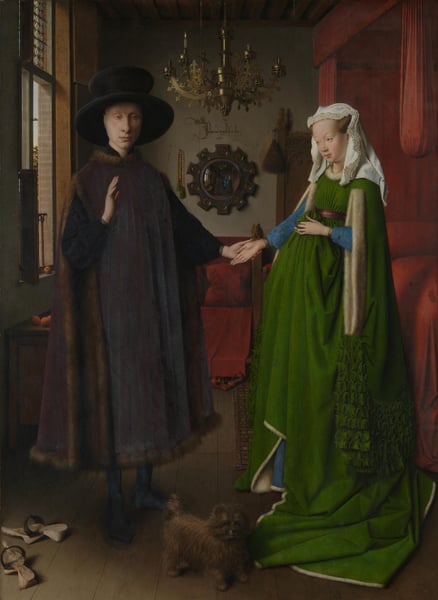
Jan van Eyck | Style: Northern Renaissance | Genre: portrait
The Arnolfini Portrait is an oil painting on oak panel by the Early Netherlandish painter Jan van Eyck, dated 1434 and now in the National Gallery, London. It is a full-length double portrait, believed to depict the Italian merchant Giovanni di Nicolao Arnolfini and his wife, presumably in their residence at the Flemish city of Bruges.
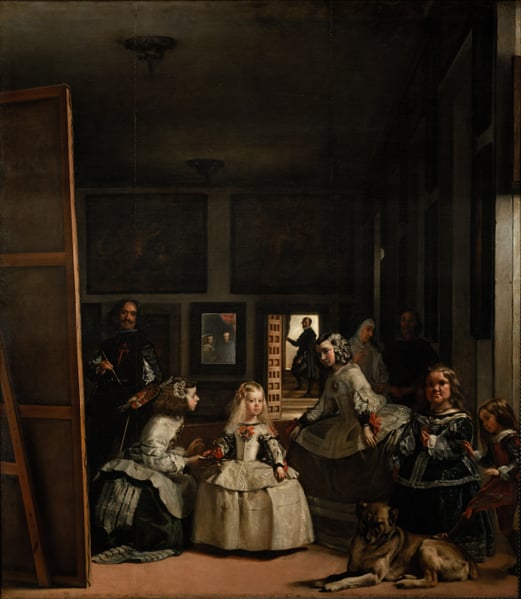
Diego Velazquez | Style: Baroque | Genre: genre painting
Las Meninas is a 1656 painting in the Museo del Prado in Madrid, by Diego Velázquez, the leading artist in the court of King Philip IV of Spain and Portugal, and of the Spanish Golden Age. It has become one of the most widely analyzed works in Western painting for the way its complex and enigmatic composition raises questions about reality and illusion, and for the uncertain relationship it creates between the viewer and the figures depicted.
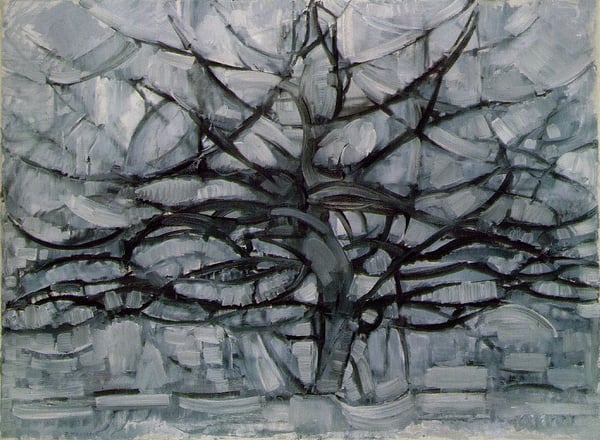
Gray Tree is an oil painting by Piet Mondrian, from 1911. This painting was made in 1911 on canvas on a board measuring 78.5 × 107.5 cm. It is exhibited at Kunstmuseum Den Haag, The Hague.
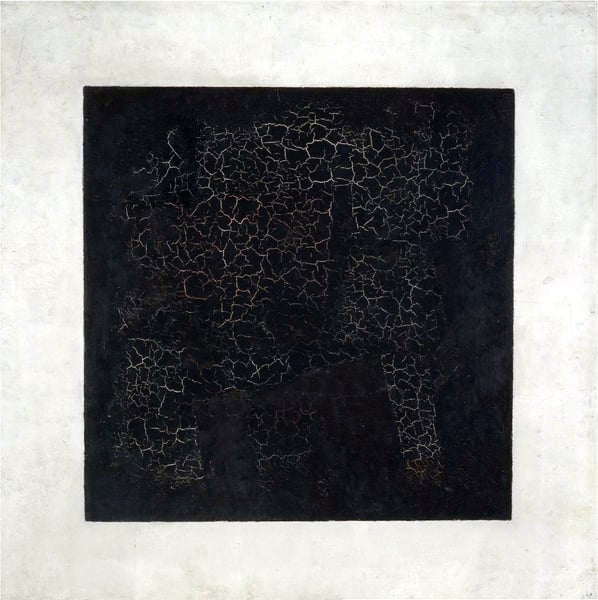
Black Square is a 1915 oil on linen canvas painting by the Russian avant-garde artist and theorist Kazimir Malevich. There are four painted versions, the first of which was completed in 1915 and described by the artist as his breakthrough work and the inception of his Suprematist art movement (1915–1919).
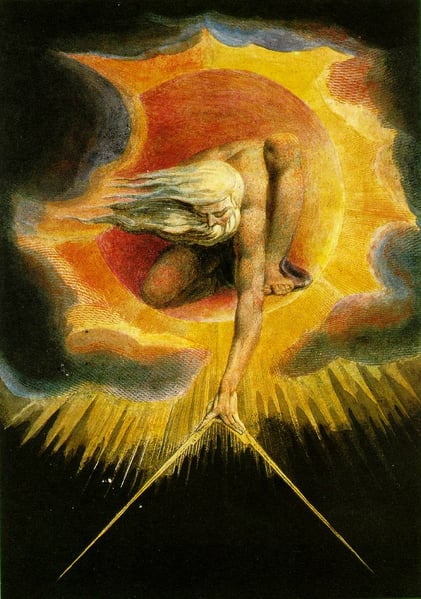
William Blake | Style: Symbolism | Genre: illustration
The Ancient of Days is a design by William Blake, originally published as the frontispiece to the 1794 work Europe a Prophecy. It draws its name from one of God's titles in the Book of Daniel and shows Urizen crouching in a circular design with a cloud-like background. His outstretched hand holds a compass over the darker void below. Related imagery appears in Blake's Newton, completed the next year. As noted in Alexander Gilchrist's 1863 book, Life of William Blake, the design of The Ancient...
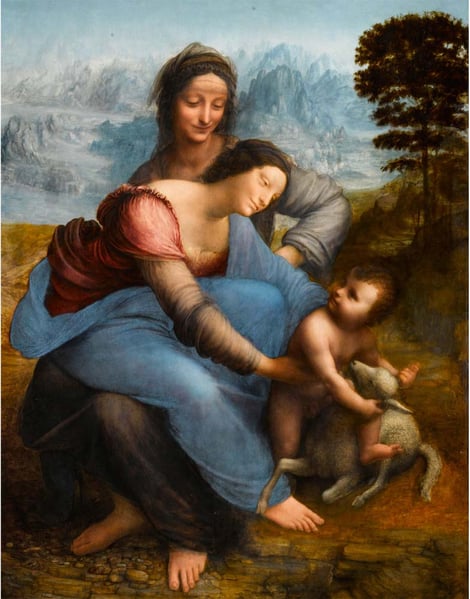
Leonardo da Vinci . 1503-1519 . High Renaissance藝術作品
Leonardo da Vinci | Style: High Renaissance | Genre: religious painting | Location: MilanItaly
The Virgin and Child with Saint Anne is an unfinished oil painting by High Renaissance artist Leonardo da Vinci, dated to c. 1501–1519. It depicts Saint Anne, her daughter the Virgin Mary and the infant Jesus. Christ is shown grasping a sacrificial lamb symbolizing his Passion. The painting was commissioned as the high altarpiece for the Church of Santissima Annunziata in Florence and its theme had long preoccupied Leonardo.
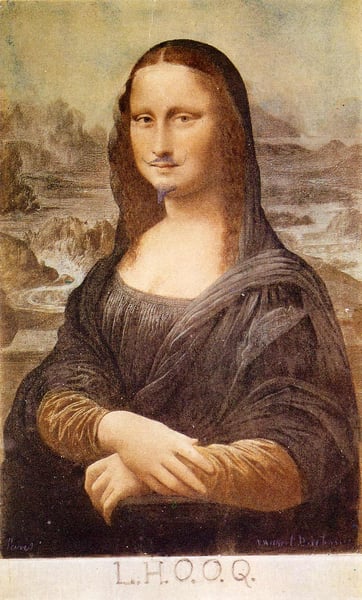
L.H.O.O.Q. is a work of art by Marcel Duchamp. First conceived in 1919, the work is one of what Duchamp referred to as readymades, or more specifically a rectified ready-made. The readymade involves taking mundane, often utilitarian objects not generally considered to be art and transforming them, by adding to them, changing them, or simply renaming and reorienting them and placing them in an appropriate setting. In L.H.O.O.Q. the found object is a cheap postcard reproduction of Leonardo da V...
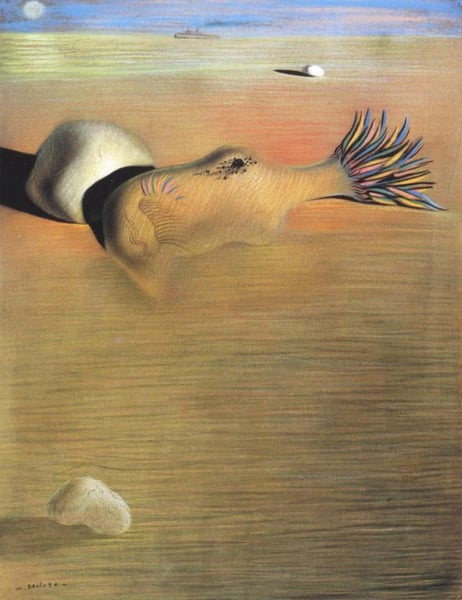
Salvador Dali | Style: Surrealism | Genre: landscape
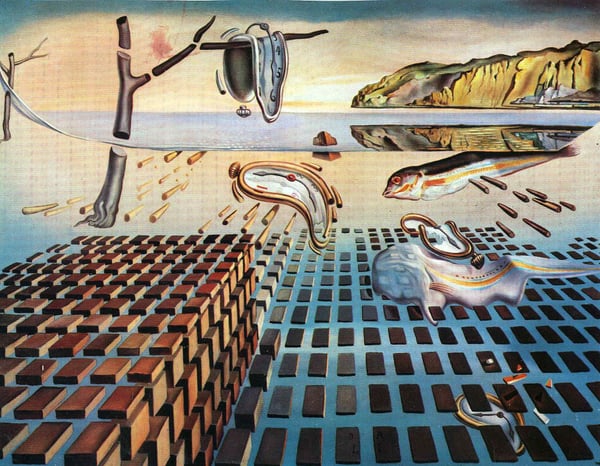
La Desintegración de la Persistencia de la Memoria or The Disintegration of the Persistence of Memory is an oil on canvas painting by the Spanish surrealist Salvador Dalí. It is a 1954 re-creation of the artist's famous 1931 work The Persistence of Memory, and measures a diminutive 25.4 × 33 cm. It was originally known as The Chromosome of a Highly coloured Fish's Eye Starting the Harmonious Disintegration of the Persistence of Memory, and first exhibited at the Carstairs Gallery in New York ...
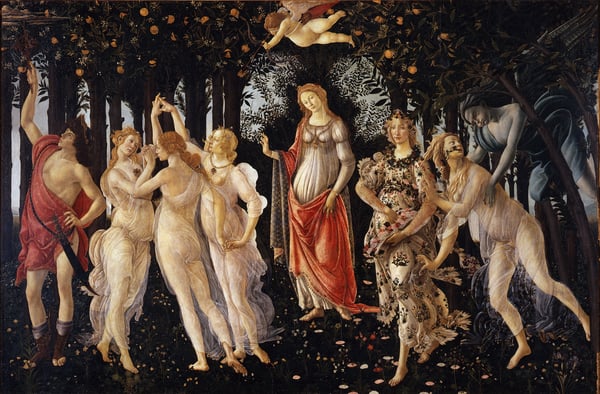
Primavera is a large panel painting in tempera paint by the Italian Renaissance painter Sandro Botticelli made in the late 1470s or early 1480s. It has been described as "one of the most written about, and most controversial paintings in the world", and also "one of the most popular paintings in Western art".
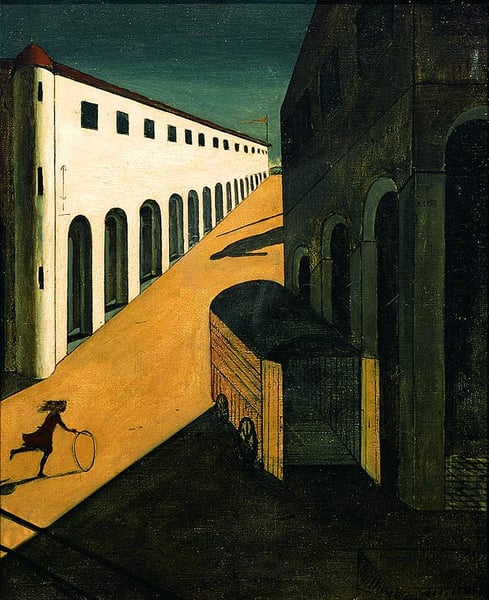
Giorgio de Chirico | Style: Metaphysical art | Genre: cityscape | Location: ParisFrance
Mystery and Melancholy of a Street is an oil-on-canvas painting by the Italian artist Giorgio de Chirico, created in 1914. It is held in a private collection.
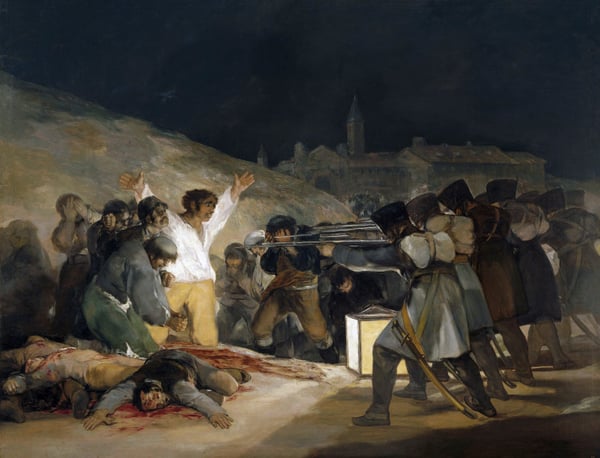
Francisco Goya | Style: Romanticism | Genre: history painting
The Third of May 1808 in Madrid and also known, in Spanish, as El tres de mayo de 1808 en Madrid or Los fusilamientos de la montaña del Príncipe Pío, or Los fusilamientos del tres de mayo, is a painting completed in 1814 by the Spanish painter Francisco Goya, now in the Museo del Prado, Madrid. In the work, Goya sought to commemorate Spanish resistance to Napoleon's armies during the occupation of Madrid in 1808 at the start of the Peninsular War. Along with its companion piece of the same si...
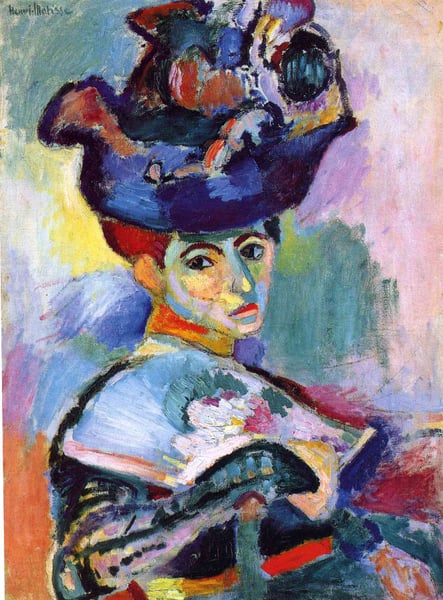
Woman with a Hat is an oil-on-canvas painting by Henri Matisse. It depicts Matisse's wife, Amélie Matisse. It was painted in 1905 and exhibited at the Salon d'Automne during the autumn of the same year, along with works by André Derain, Maurice de Vlaminck and several other artists later known as "Fauves".
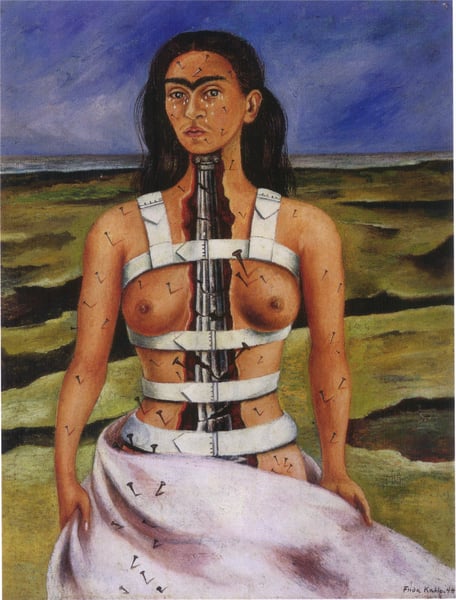
Frida Kahlo | Style: Naïve Art (Primitivism) | Genre: self-portrait
The Broken Column is an oil on masonite painting by Mexican artist Frida Kahlo, painted in 1944 shortly after she had spinal surgery to correct on-going problems which had resulted from a serious traffic accident when she was 18 years old. The original is housed at the Museo Dolores Olmedo in Xochimilco, Mexico City, Mexico.
尚無留言 — 來搶頭香吧。