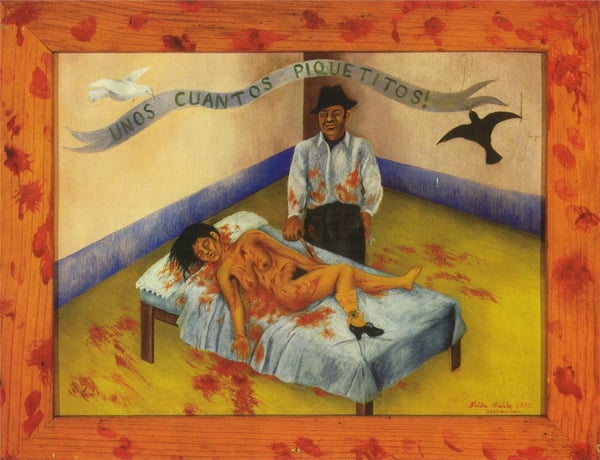
Frida Kahlo · Naïve Art (Primitivism) · genre painting
A Few Small Nips (Passionately in Love) is a 1935 genre painting by Frida Kahlo in the naïve art style.
L'arte profondamente personale della pittrice più iconica del Messico
Frida Kahlo (1907–1954) ha trasformato il suo dolore fisico ed emotivo in alcuni dei dipinti più potenti e riconoscibili del ventesimo secolo. Dei suoi circa 200 dipinti, 55 sono autoritratti — esplorazioni senza compromessi dell'identità, della sofferenza, dell'amore e dell'eredità messicana.
Costretta a letto per mesi dopo un devastante incidente d'autobus a 18 anni, Kahlo iniziò a dipingere con uno specchio montato sopra il suo letto.
Usa la checklist per tenere traccia dei dipinti di Kahlo che hai visto di persona.
Frida Kahlo · Naïve Art (Primitivism) · genre painting
A Few Small Nips (Passionately in Love) is a 1935 genre painting by Frida Kahlo in the naïve art style.
Frida Kahlo · Naïve Art (Primitivism) · still life
Il cocco o palma da cocco è una pianta della famiglia delle Arecacee. È l'unica specie riconosciuta del genere Cocos.
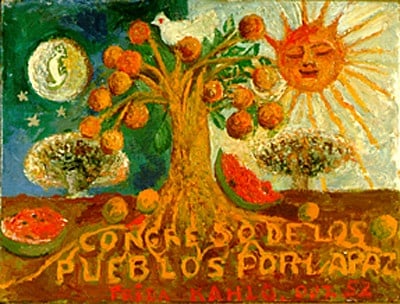
Frida Kahlo · Naïve Art (Primitivism) · symbolic painting
Congress of Peoples for Peace is a symbolic painting by Frida Kahlo from 1952, rendered in a naïve art style. The work addresses its titular subject—a congress of peoples gathered for peace—through Kahlo's characteristic approach to symbolic composition.
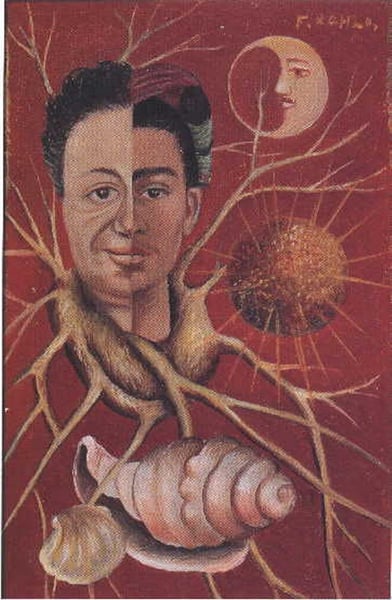
Frida Kahlo · Naïve Art (Primitivism), Surrealism · portrait
Diego and Frida is a 1944 portrait by Frida Kahlo in the naïve and surrealist styles, depicting the two figures named in its title.
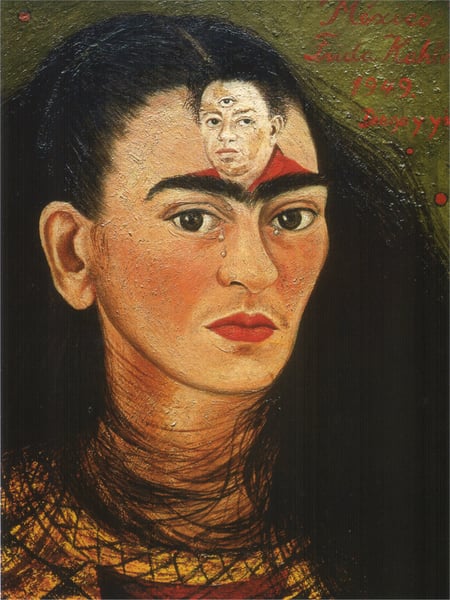
Frida Kahlo · Naïve Art (Primitivism) · self-portrait
Diego Rivera and Frida Kahlo’s marriage was tumultuous at best. Frida created this painting during a particularly low point in their marriage. Rivera was having an affair with the movie star Maria Felix, and he was rumored to ask her to marry hum. Although both of them had extramarital affairs, this one was particularly painful, as illustrated by this painting. Many times, Kahlo was able to lau...
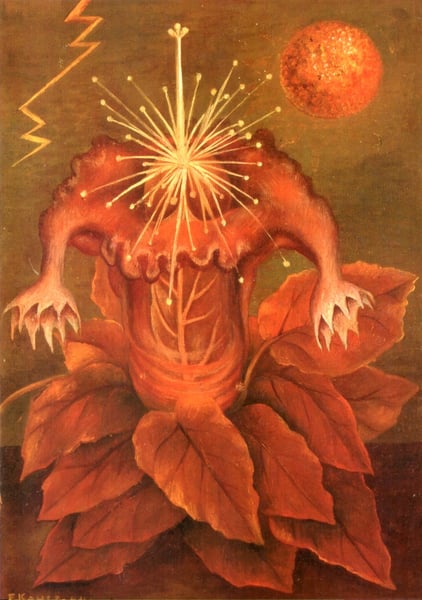
Frida Kahlo · Naïve Art (Primitivism), Surrealism · symbolic painting
Flower of Life (Flame Flower) is a symbolic painting by Frida Kahlo from 1943, executed in the Naïve Art and Surrealist styles.
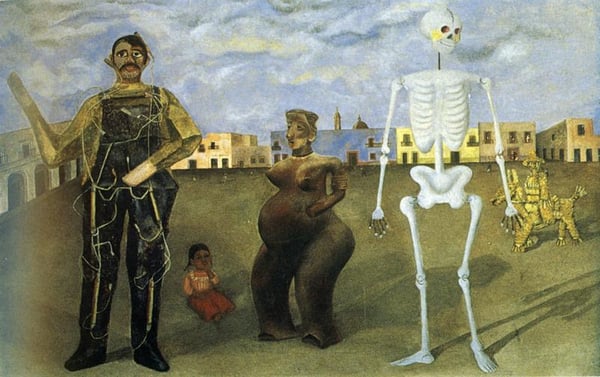
Frida Kahlo · Naïve Art (Primitivism), Surrealism · symbolic painting
Four Inhabitants of Mexico is a symbolic painting by Frida Kahlo from 1938, executed in a naïve and surrealist style.
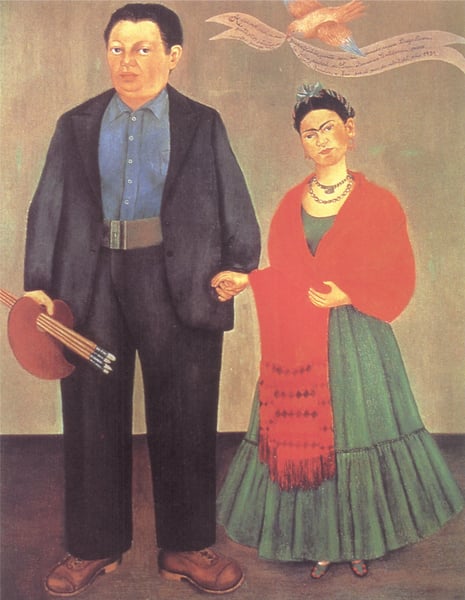
Frida Kahlo · Naïve Art (Primitivism) · portrait
It is as if in this painting Kahlo tries on the role of wife to see how it fits. She does not focus on her identity as a painter, but instead adopts a passive and supportive role, holding the hand of her talented and acclaimed husband. It was indeed the case that during the majority of her painting career, Kahlo was viewed only in Rivera's shadow and it was not until later in life that she gain...
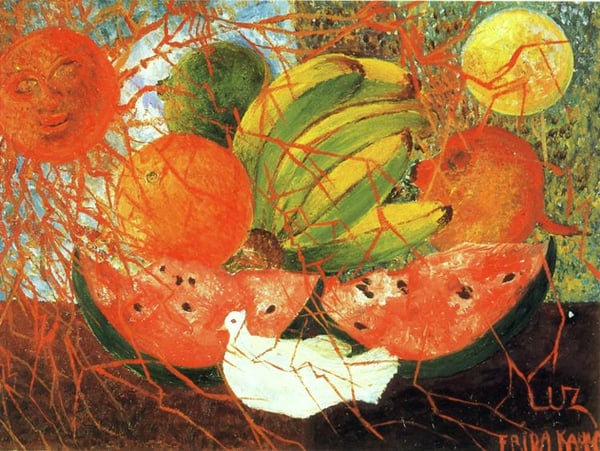
Frida Kahlo · Naïve Art (Primitivism) · still life
Fruit of Life is a still life painting by Frida Kahlo from 1953, executed in the Naïve Art style. The work depicts fruit as its subject matter, rendered with the simplified forms and direct approach characteristic of Primitivism.
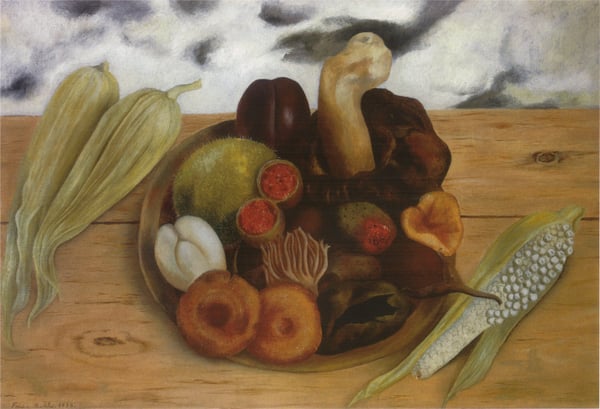
Frida Kahlo · Naïve Art (Primitivism) · still life
Frida Kahlo's Fruits of the Earth (1938) is a still-life painting executed in the naïve art tradition. The work depicts an arrangement of produce, rendered in the artist's characteristic approach to primitivist style.
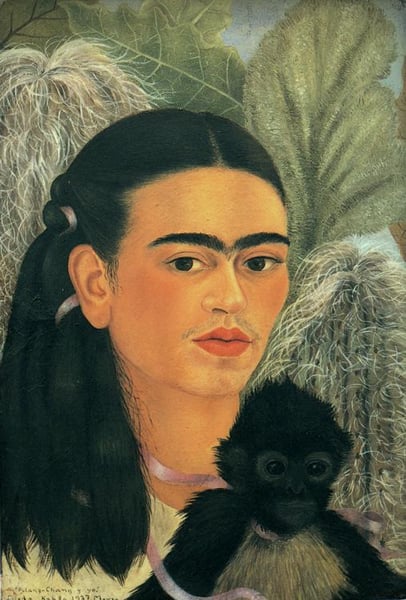
Frida Kahlo · Naïve Art (Primitivism) · self-portrait
This painting debuted at Kahlo's exhibition in Julien Levy's New York gallery in 1938, and was one of the works that most fascinated André Breton, the founder of [url href=https://www.wikiart.org/en/artists-by-art-movement/surrealism]Surrealism[/url]. The canvas in the New York show is a [url href=https://www.wikiart.org/en/paintings-by-genre/self-portrait]self-portrait[/url] of the artist and ...
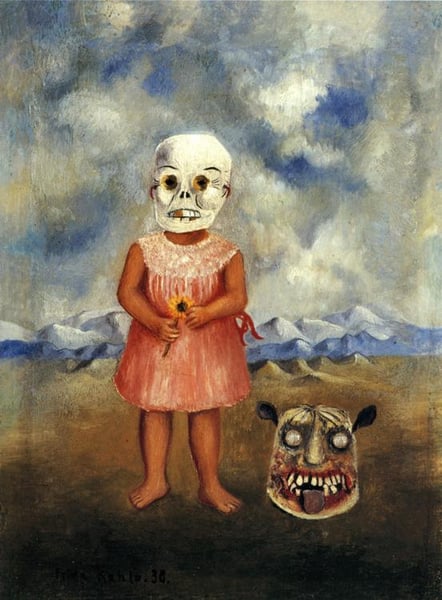
Frida Kahlo · Naïve Art (Primitivism) · symbolic painting
Girl with Death Mask (She Plays Alone) is a symbolic painting by Frida Kahlo from 1938 executed in the naïve art style. The work depicts a girl holding a death mask, the title's parenthetical phrase suggesting a narrative of isolation through the act of play.
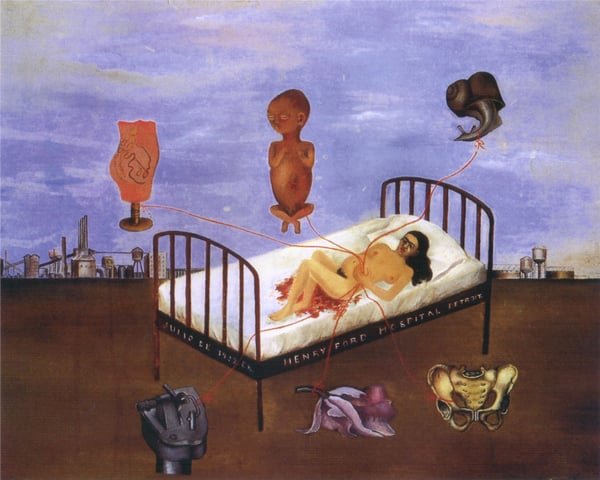
Frida Kahlo · Naïve Art (Primitivism), Surrealism · genre painting
On 4 July 1932, Frida had a miscarriage in Detroit, after being under the supervision of her doctors, who recommended long periods of complete bed rest to bring her pregnancy to term. Her body, however, was unable to resist and she was finally taken to the Henry Ford Hospital, where an abortion was performed to finish the process that had begun at home. Some days later, in a state of deep depre...
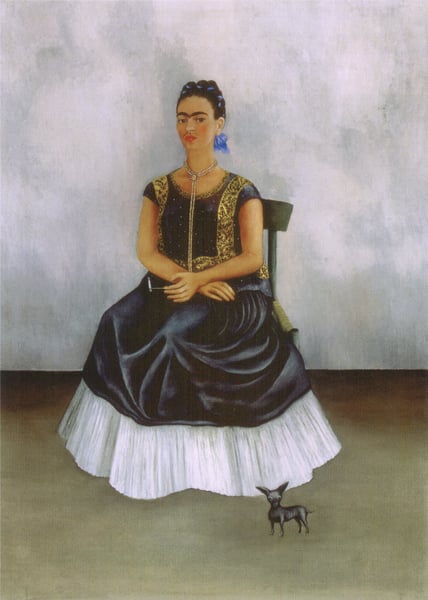
Frida Kahlo · Naïve Art (Primitivism) · self-portrait
Itzcuintli Dog with Me is a self-portrait by Frida Kahlo from 1938, painted in the naïve art style. The work depicts the artist alongside a dog of the breed named in the title.
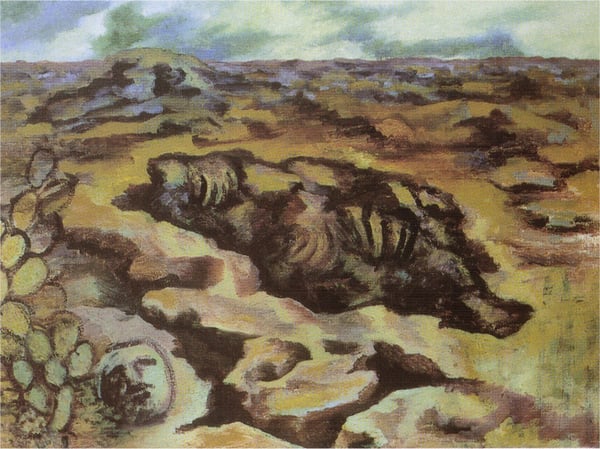
Frida Kahlo · Naïve Art (Primitivism) · landscape
Il paesaggio è una porzione di territorio come appare abbracciata dallo sguardo di un osservatore. Il termine è usato soprattutto per vedute caratterizzate da bellezze naturali o da interesse storico, artistico o ecologico. In geografia indica anche la conformazione del territorio stesso, come risulta dall'insieme degli aspetti naturali e antropici.
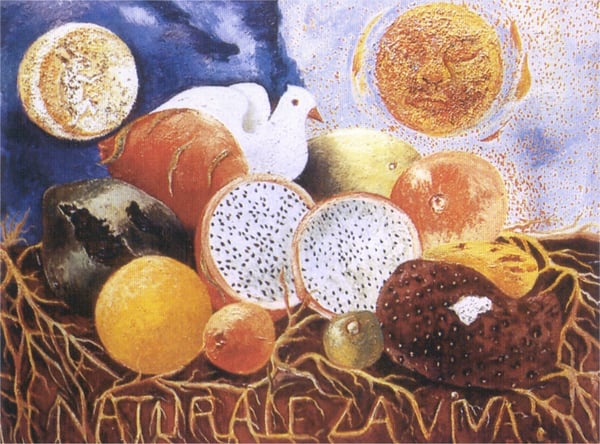
Frida Kahlo · Naïve Art (Primitivism) · still life
Living Nature is a still life painting by Frida Kahlo from 1952, executed in the naïve art style.
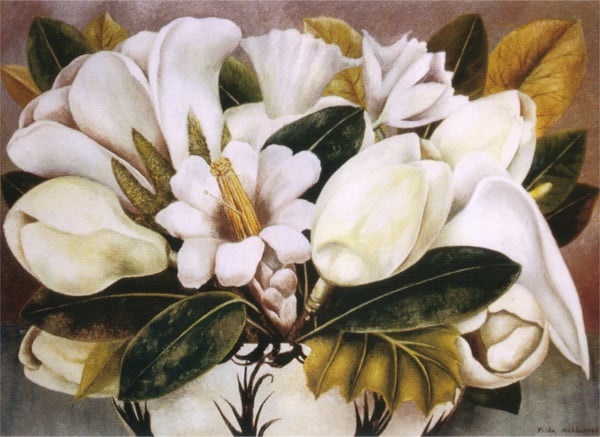
Frida Kahlo · Naïve Art (Primitivism) · still life
Magnolia L. è un genere di piante della famiglia delle Magnoliacee, originarie del Nord e Sud America e dell'Asia sud-orientale, dall'India alla Nuova Guinea.
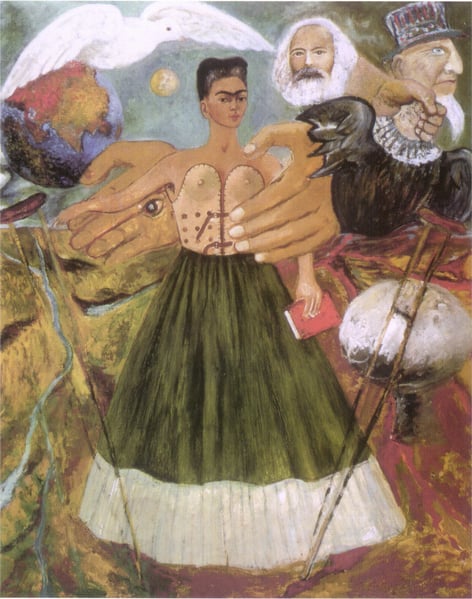
Frida Kahlo · Naïve Art (Primitivism), Surrealism · symbolic painting
Marxism Will Give Health to the Sick is a symbolic painting by Frida Kahlo from 1954, executed in a naïve and surrealist idiom. The work combines primitivist formal language with symbolic content centered on the redemptive promise named in its title.
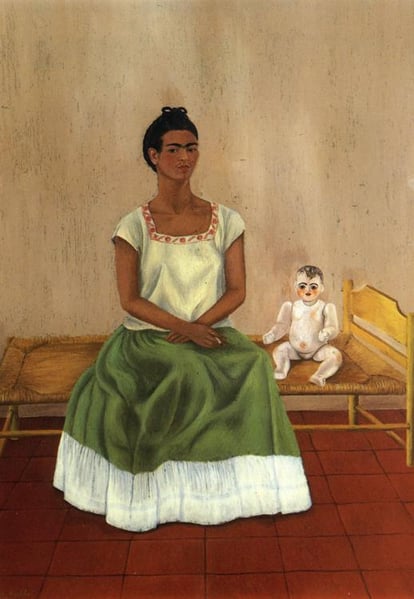
Frida Kahlo · Naïve Art (Primitivism) · self-portrait
Me and My Doll is a 1937 self-portrait by Frida Kahlo in the naïve art style, depicting the artist alongside a doll.
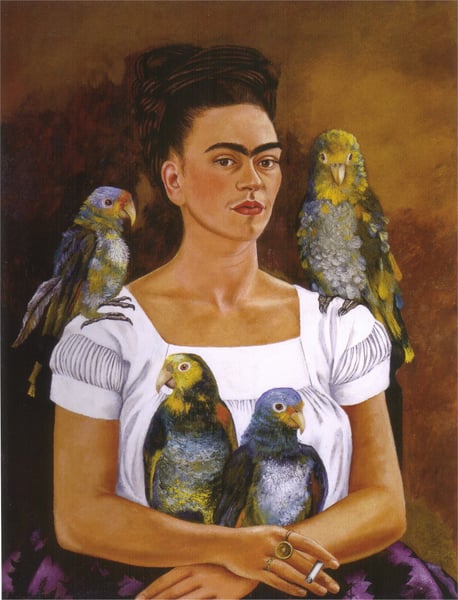
Frida Kahlo · Naïve Art (Primitivism) · self-portrait
Me and My Parrots is a 1941 self-portrait by Frida Kahlo executed in the naïve art tradition, depicting the artist alongside parrots as its title indicates.
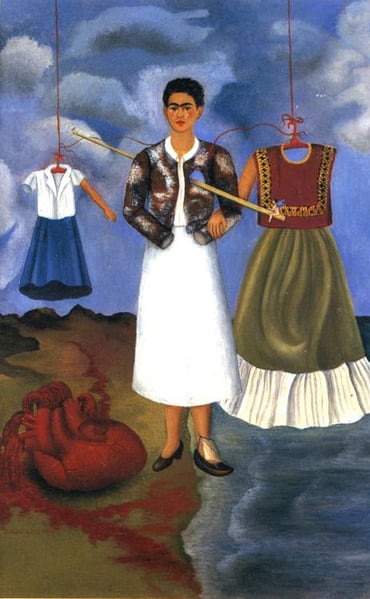
Frida Kahlo · Naïve Art (Primitivism), Surrealism · self-portrait, symbolic painting
Memory, the Heart, a 1937 painting by the Mexican artist Frida Kahlo, depicts the pain and anguish Kahlo experienced during and after an affair between her husband, artist Diego Rivera, and her sister, Cristina Kahlo.
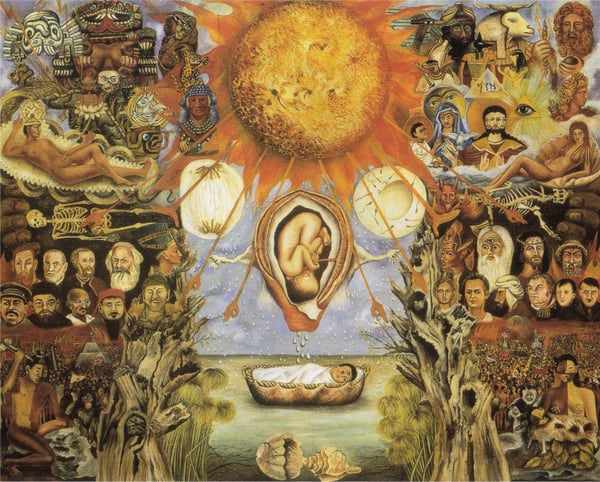
Frida Kahlo · Naïve Art (Primitivism), Surrealism · religious painting
Mosè è un patriarca presente nell'Antico Testamento, figura centrale per le tre religioni abramitiche.
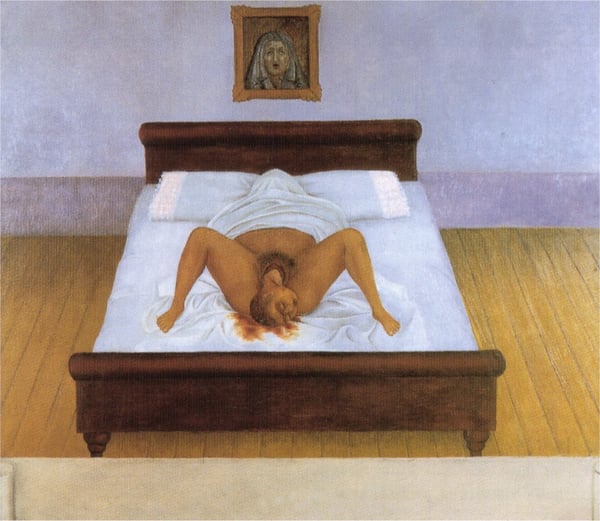
Frida Kahlo · Naïve Art (Primitivism) · genre painting
This is a haunting painting in which both the birth giver and the birthed child seem dead. The head of the woman giving birth is shrouded in white cloth while the baby emerging from the womb appears lifeless. At the time that Kahlo painted this work, her mother had just died so it seems reasonable to assume that the shrouded funerary figure is her mother while the baby is Kahlo herself (the tit...
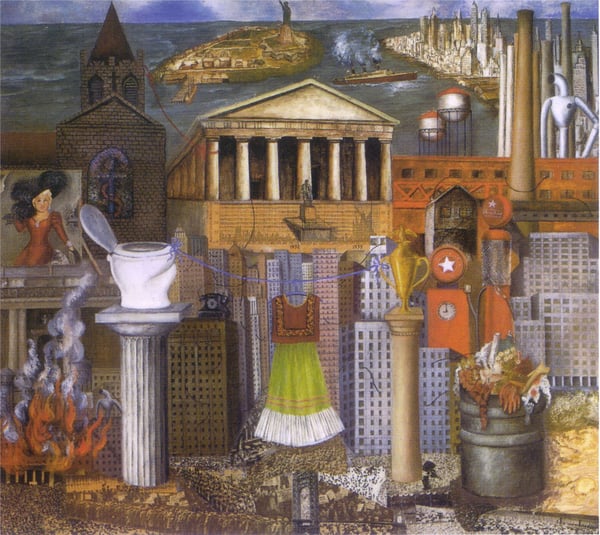
Frida Kahlo · Naïve Art (Primitivism), Surrealism · symbolic painting
This painting represents a portrait of American capitalism and its contradictions as Frida saw them in 1933. Traveling with her husband, [url href=https://www.wikiart.org/en/diego-rivera]Diego Rivera[/url], who painted commissioned murals in San Francisco, Detroit, and New York, she found herself abandoned in a culture she despised. After more than three years spent in the United States, Frida ...
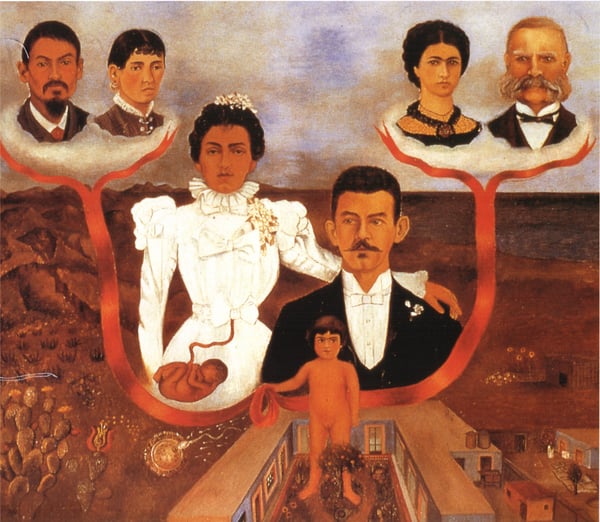
Frida Kahlo · Naïve Art (Primitivism) · portrait
This dream-like family tree was painted on zinc rather than canvas, a choice that further highlights the artist's fascination with and collection of 18th-century and 19th-century Mexican [i]retablos[/i] (devotional folk paintings using iconography derived from traditional Catholic church art). Kahlo completed this work to accentuate both her European Jewish heritage and her Mexican background. ...
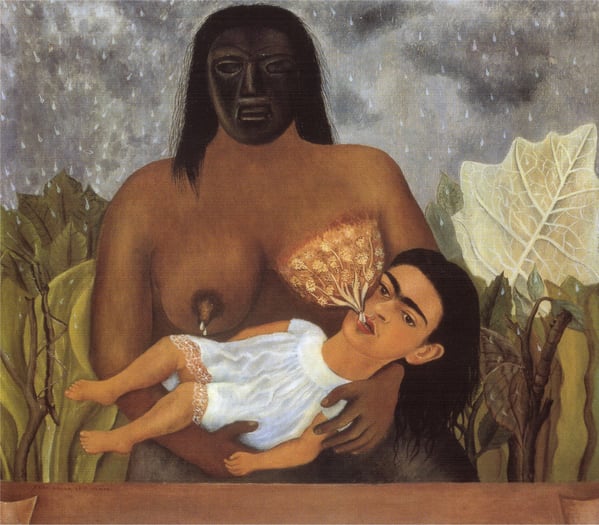
Frida Kahlo · Naïve Art (Primitivism) · portrait
My Nurse and I is a 1937 portrait by Frida Kahlo painted in the naïve art style. The work depicts two figures—the artist and her nurse—rendered in the simplified, direct manner characteristic of primitivism.
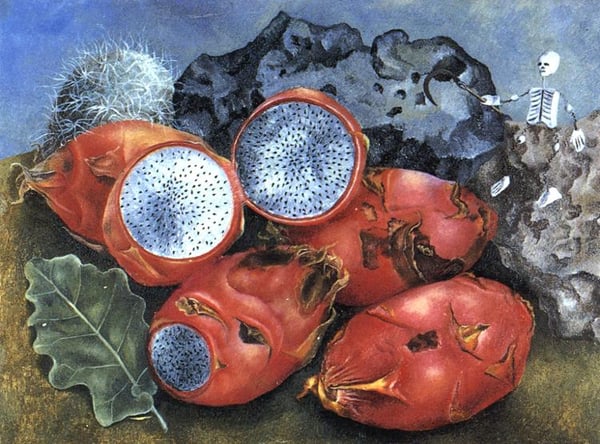
Frida Kahlo · Naïve Art (Primitivism) · still life
Pitahayas is a still life by Frida Kahlo from 1938, painted in a naïve or primitivist style. The work depicts pitayas (dragon fruit), rendered with the characteristic flattened forms and bold outlines associated with primitivism.
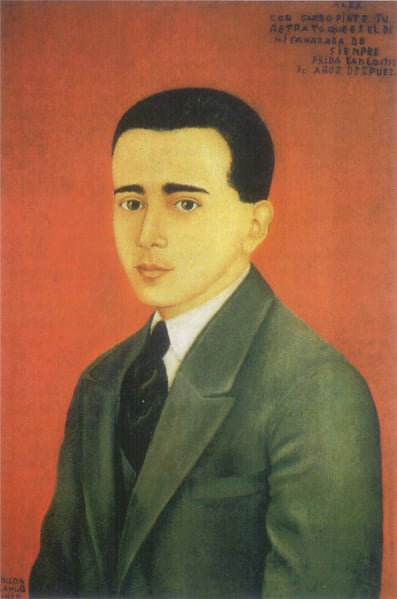
Frida Kahlo · Naïve Art (Primitivism) · portrait
Portrait of Alejandro Gómez Arias is a 1928 portrait by Frida Kahlo in the naïve art style.
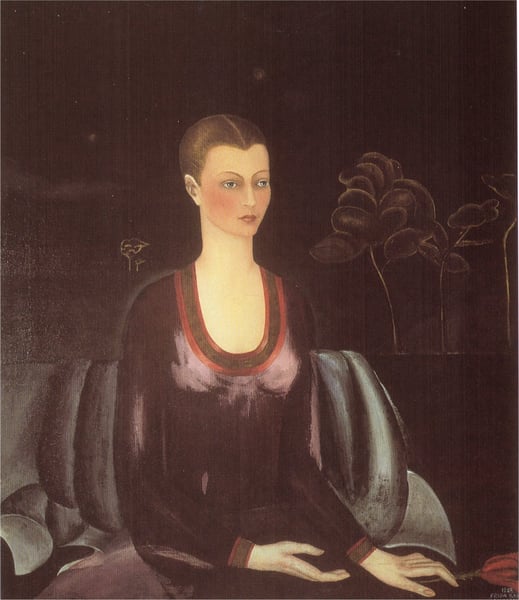
Frida Kahlo · Naïve Art (Primitivism) · portrait
Portrait of Alicia Galant is a portrait by Frida Kahlo from 1927, executed in the Naïve Art style associated with Primitivism.
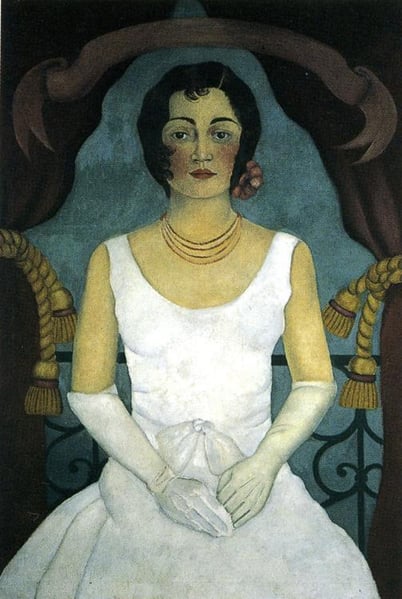
Frida Kahlo · Naïve Art (Primitivism) · portrait
Portrait of a Woman in White is a portrait by Frida Kahlo from 1930, executed in the Naïve Art (Primitivism) style.
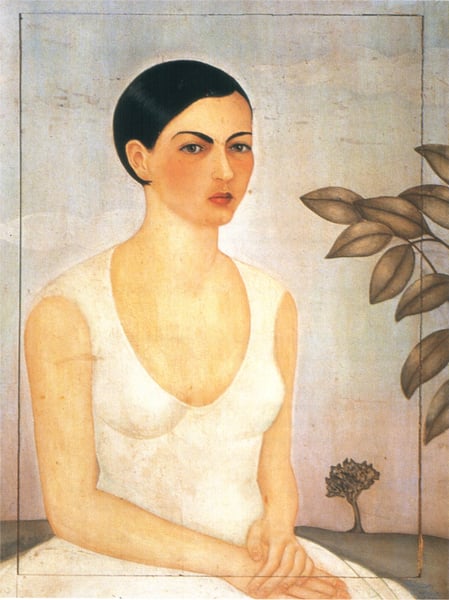
Frida Kahlo · Naïve Art (Primitivism) · portrait
Portrait of Cristina My Sister is a portrait by Frida Kahlo from 1928, executed in the Naïve Art style associated with Primitivism. The work depicts the artist's sister Cristina.
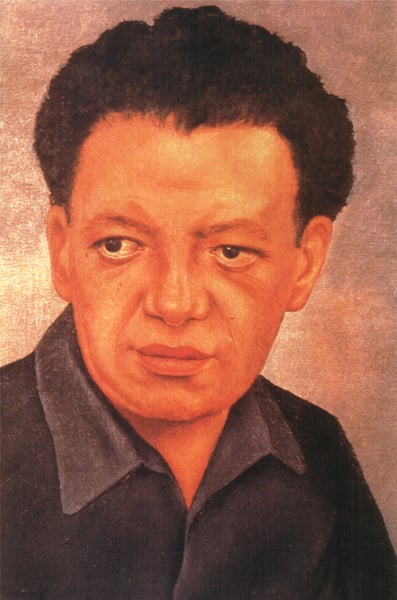
Frida Kahlo · Naïve Art (Primitivism) · portrait
Portrait of Diego Rivera is a portrait by Frida Kahlo from 1937, executed in the naïve art style. The work depicts Rivera as its subject.
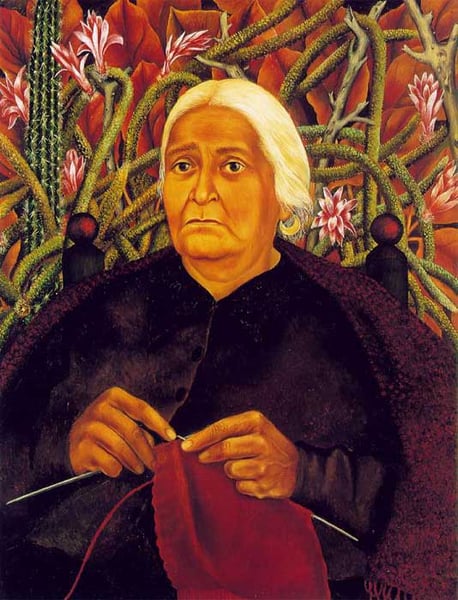
Frida Kahlo · Naïve Art (Primitivism) · portrait
Portrait of Doña Rosita Morillo is a 1944 portrait by Frida Kahlo executed in the naïve art style. The work depicts its subject within the formal constraints of portraiture while employing the flattened forms and direct, unmodulated color characteristic of primitivism.
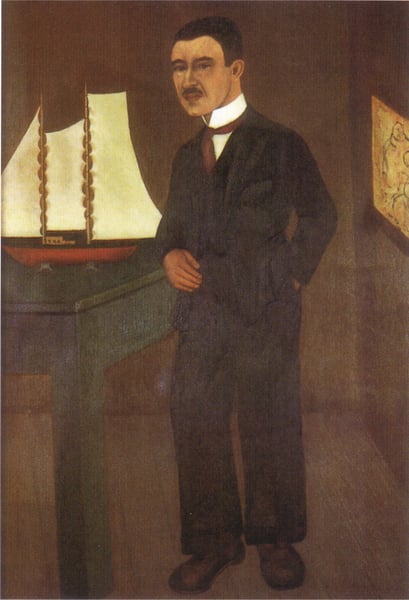
Frida Kahlo · Naïve Art (Primitivism) · portrait
Portrait of Dr. Leo Eloesser depicts its subject in the naïve art style, completed by Frida Kahlo in 1931.
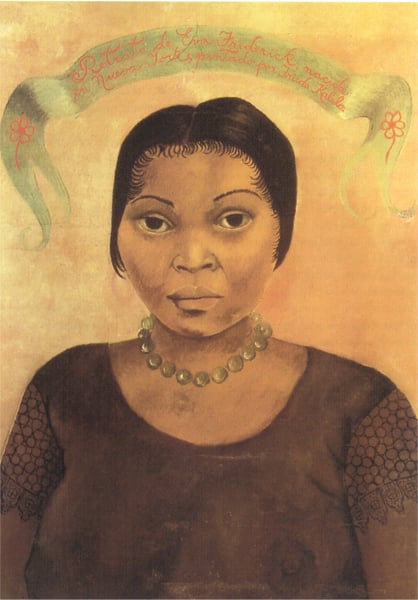
Frida Kahlo · Naïve Art (Primitivism) · portrait
Portrait of Eva Frederick is a portrait painting by Frida Kahlo from 1931, executed in the naïve art style associated with primitivism.
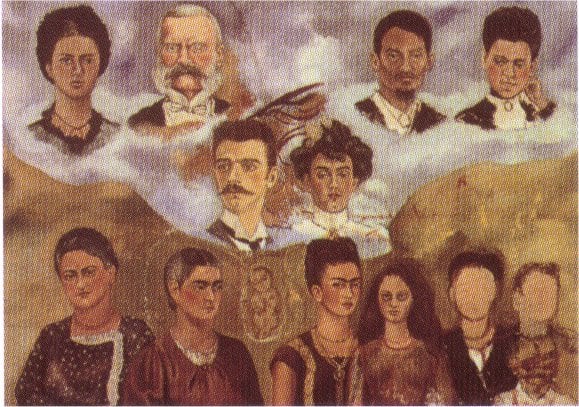
Frida Kahlo · Naïve Art (Primitivism) · portrait
Portrait of Frida's Family is a 1954 portrait by Frida Kahlo executed in the naïve art style. The work depicts members of Kahlo's family.
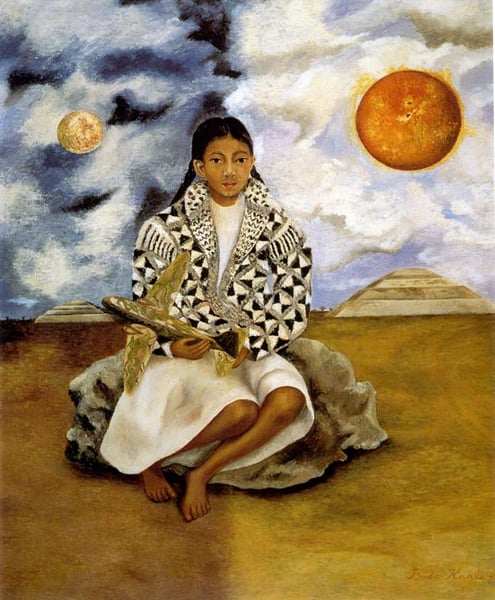
Frida Kahlo · Naïve Art (Primitivism) · portrait
Portrait of Lucha Maria, A Girl from Tehuacan is a 1942 portrait by Frida Kahlo executed in the naïve art style. The work depicts a girl from Tehuacan as its subject.
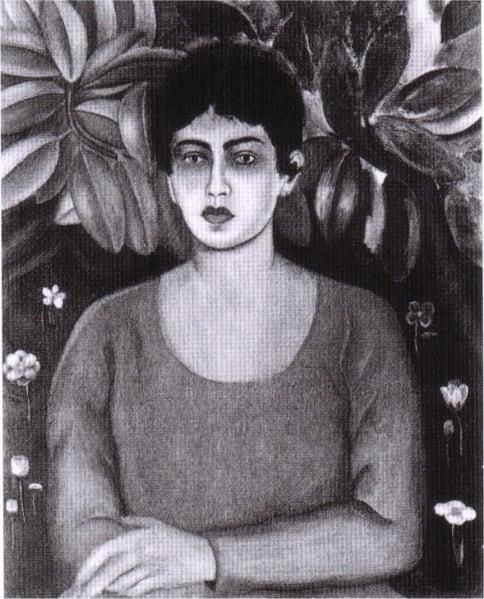
Frida Kahlo · Naïve Art (Primitivism) · portrait
Portrait of Lupe Marín is a portrait painted by Frida Kahlo in 1929 in the Naïve Art style associated with Primitivism. The work depicts Lupe Marín as its subject.
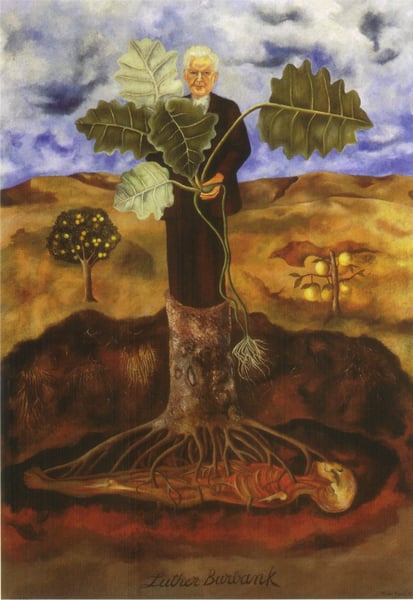
Frida Kahlo · Naïve Art (Primitivism), Surrealism · portrait
Portrait of Luther Burbank is a portrait by Frida Kahlo from 1931, executed in a style combining naïve art and surrealism.
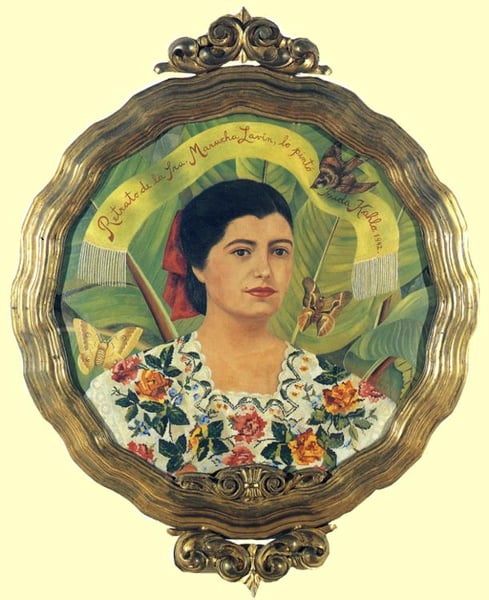
Frida Kahlo · Naïve Art (Primitivism) · portrait
Portrait of Marucha Lavin is a portrait by Frida Kahlo, dated 1942, executed in the naïve art tradition.
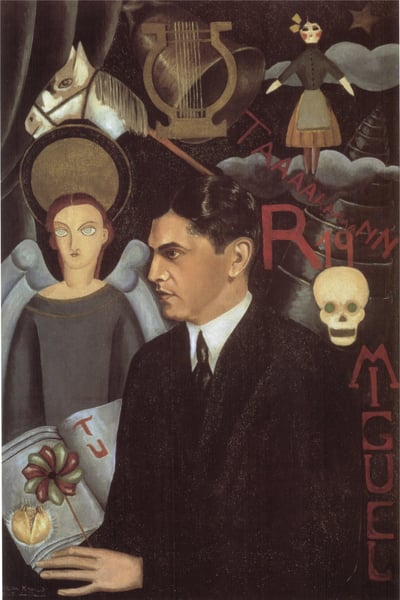
Frida Kahlo · Naïve Art (Primitivism) · portrait
Portrait of Miguel N. Lira is a 1927 portrait by Frida Kahlo executed in the naïve art style.
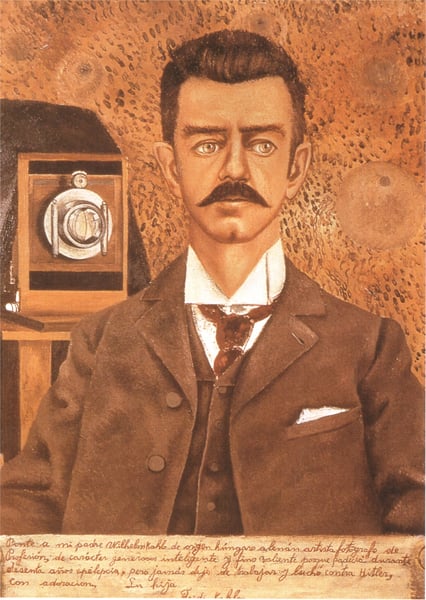
Frida Kahlo · Naïve Art (Primitivism) · portrait
Ritratto di mio padre è un dipinto a olio su tela di 100 × 100 cm realizzato nel 1925 dal pittore spagnolo Salvador Dalí, conservato nel Museo nazionale d'arte della Catalogna di Barcellona.
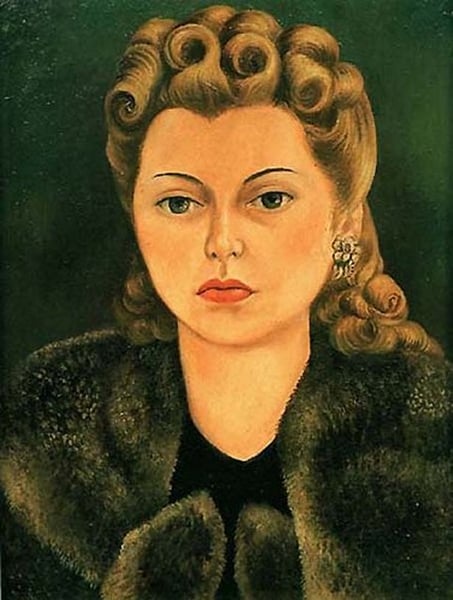
Frida Kahlo · Naïve Art (Primitivism) · portrait
Portrait of Natasha Gelman is a 1943 portrait by Frida Kahlo painted in the naïve art style. The work depicts its subject in Kahlo's characteristic approach to the medium.
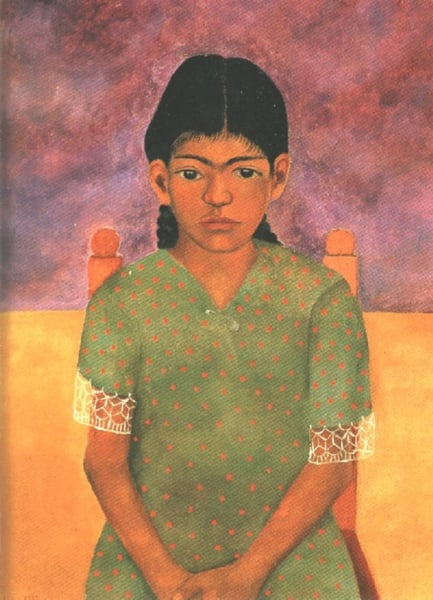
Frida Kahlo · Naïve Art (Primitivism) · portrait
Portrait of Virginia (Little Girl) is a 1929 portrait by Frida Kahlo, executed in the naïve art style. The work depicts a young girl identified as Virginia, rendered with the flattened forms and direct visual language characteristic of primitivism.
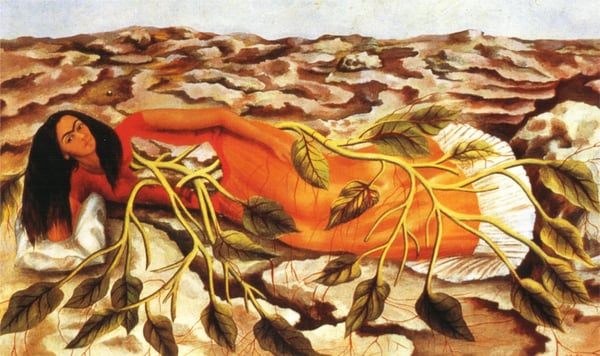
Frida Kahlo · Naïve Art (Primitivism) · self-portrait
Roots, a self-portrait painted by Frida Kahlo in 1943, belongs to the naïve art tradition. The work depicts the artist as the titular subject, rooted in place through the imagery its title invokes.
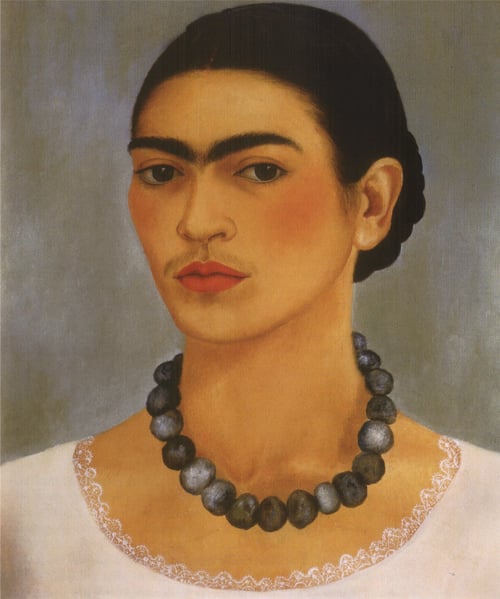
Frida Kahlo · Naïve Art (Primitivism) · self-portrait
Self Portrait with Necklace is a 1933 self-portrait by Frida Kahlo in the naïve art tradition, depicting the artist wearing a necklace.
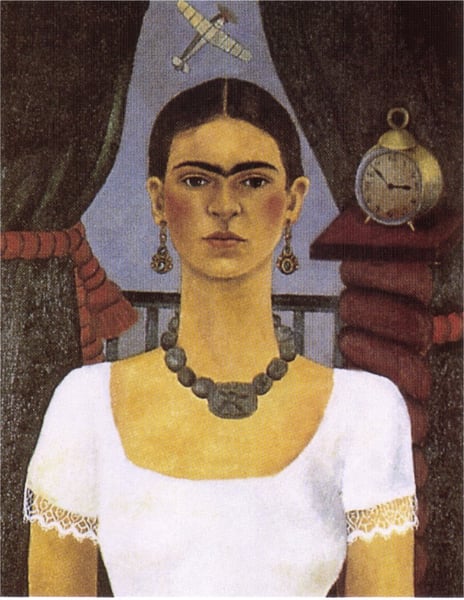
Frida Kahlo · Naïve Art (Primitivism) · self-portrait
Self Portrait - Time Flies, created by Frida Kahlo in 1929, is a self-portrait executed in the naïve art style associated with primitivism.
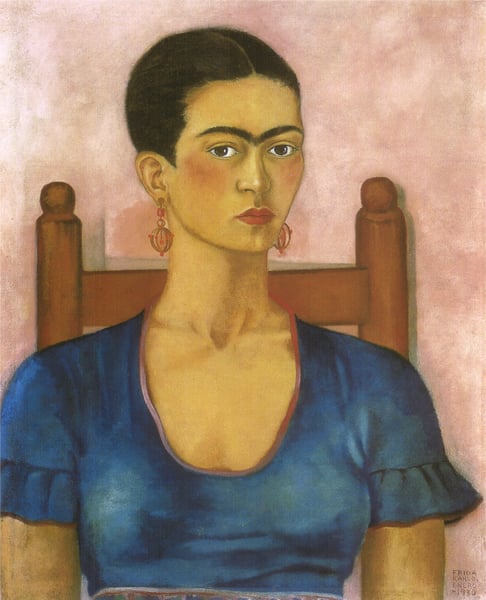
Frida Kahlo · Naïve Art (Primitivism) · self-portrait
Un autoritratto è un ritratto che un artista fa di sé stesso.
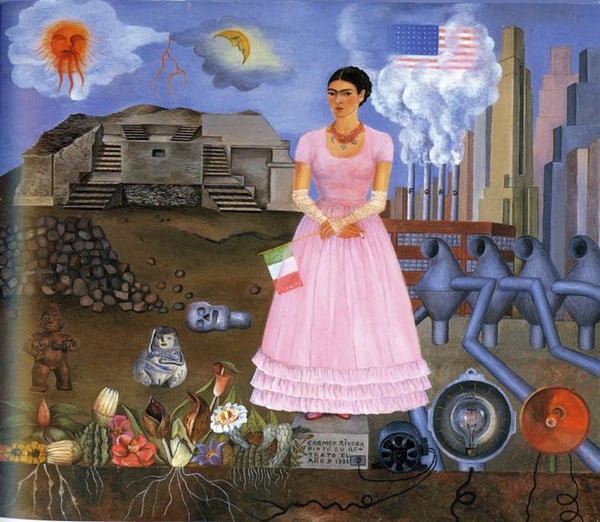
Frida Kahlo · Naïve Art (Primitivism), Surrealism · self-portrait, symbolic painting
Frida Kahlo's Self-Portrait Along the Border Line Between Mexico and the United States (1932) depicts the artist standing at a geopolitical boundary, rendered in the naïve and surrealist idioms that characterize her symbolic self-portraiture.
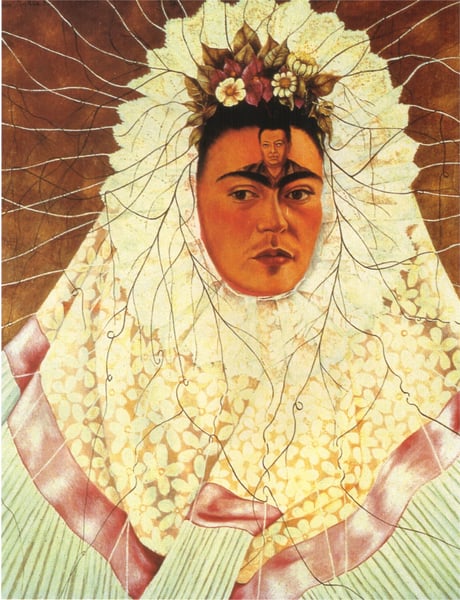
Frida Kahlo · Naïve Art (Primitivism) · self-portrait
Self Portrait as a Tehuana depicts Kahlo in the costume of a Tehuana woman, rendered in the naïve style characteristic of primitivism. Painted in 1943, the work presents the artist as her subject in traditional dress.
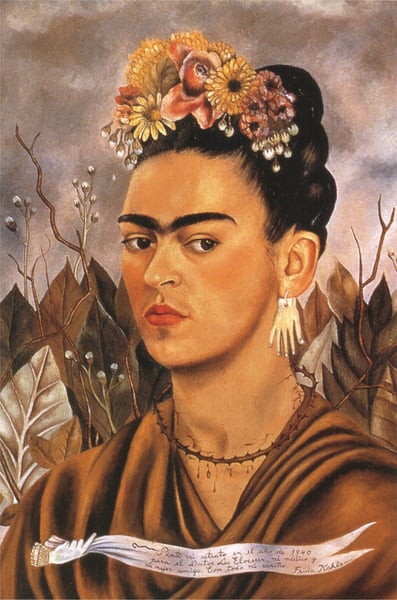
Frida Kahlo · Naïve Art (Primitivism) · self-portrait
Self Portrait Dedicated to Dr Eloesser is a self-portrait by Frida Kahlo from 1940, painted in the naïve art style.
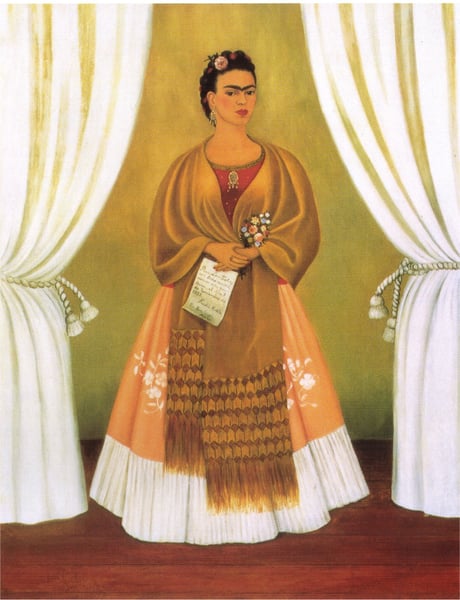
Frida Kahlo · Naïve Art (Primitivism) · self-portrait
Self-Portrait Dedicated to Leon Trotsky (Between the Curtains) is a 1937 self-portrait by Frida Kahlo executed in the naïve art tradition. The work depicts the artist positioned between curtains, its composition and dedication marking a specific moment in the artist's practice.
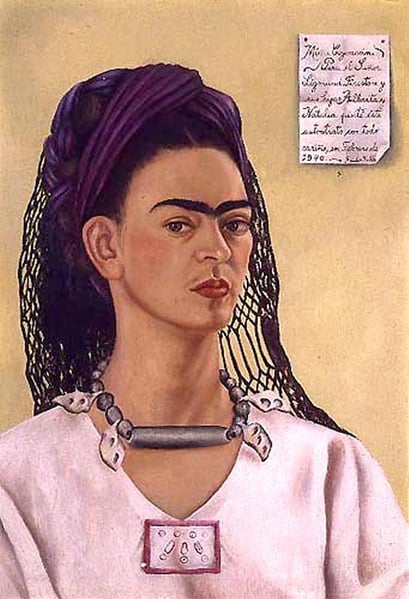
Frida Kahlo · Naïve Art (Primitivism) · self-portrait
Frida Kahlo's Self Portrait Dedicated to Sigmund Firestone (1940) is a self-portrait executed in the Naïve Art style. The work is dedicated to Sigmund Firestone, as its title indicates.
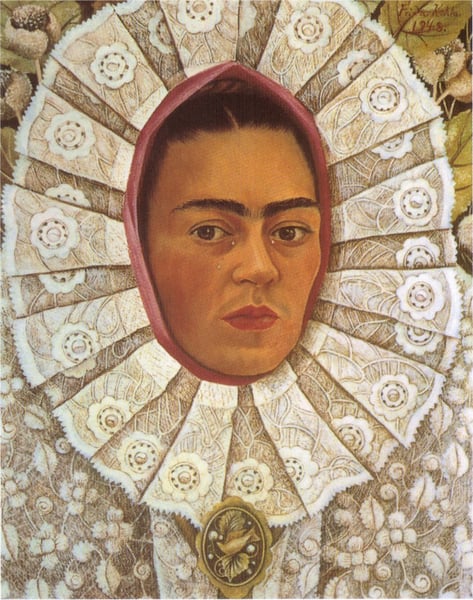
Frida Kahlo · Naïve Art (Primitivism) · self-portrait
Un autoritratto è un ritratto che un artista fa di sé stesso.
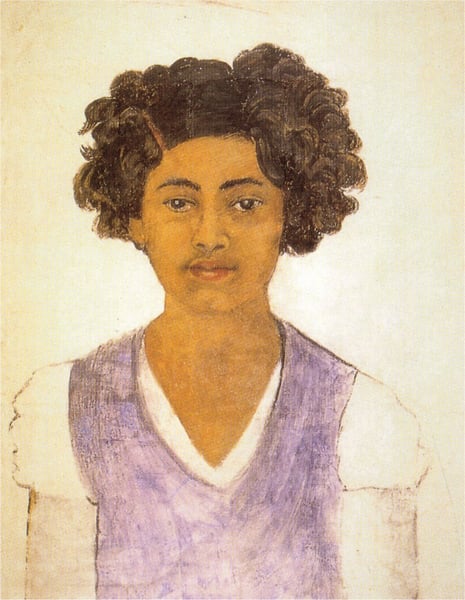
Frida Kahlo · Naïve Art (Primitivism) · self-portrait
Un autoritratto è un ritratto che un artista fa di sé stesso.
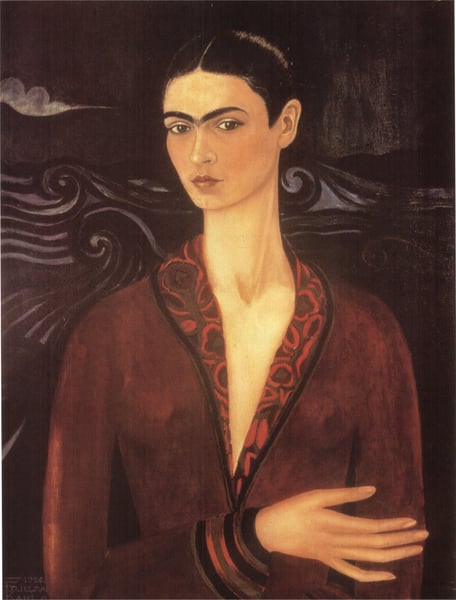
Frida Kahlo · Naïve Art (Primitivism) · self-portrait
Self-portrait in a Velvet Dress is a 1926 oil-on-canvas painting by Mexican artist Frida Kahlo.
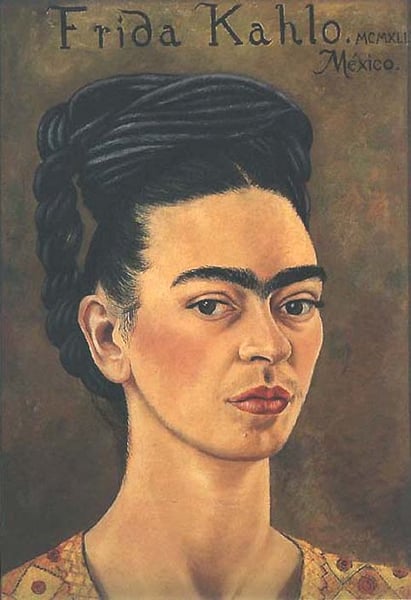
Frida Kahlo · Naïve Art (Primitivism) · self-portrait
Self-Portrait in Red and Gold Dress is a self-portrait by Frida Kahlo from 1941, rendered in the naïve art style. The work depicts the artist wearing a red and gold dress.
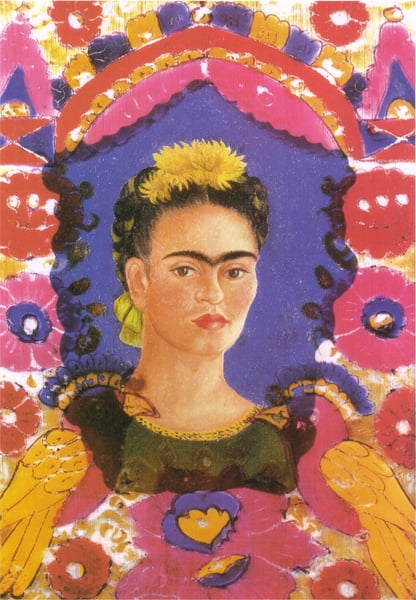
Frida Kahlo · Naïve Art (Primitivism) · self-portrait
Self Portrait - The Frame is a 1938 self-portrait by Frida Kahlo executed in the naïve art tradition. The work depicts the artist within a decorative frame, a compositional choice that foregrounds the relationship between the subject and its presentation.
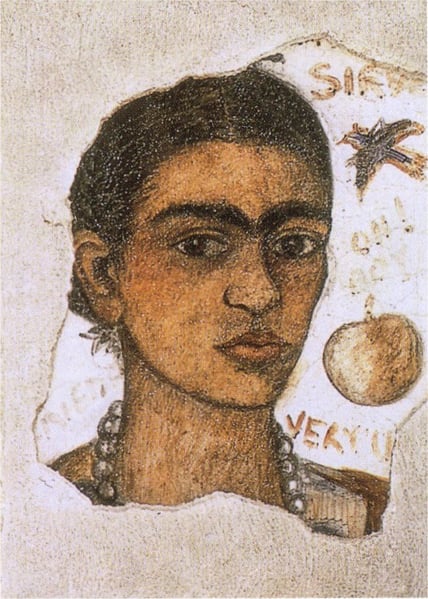
Frida Kahlo · Naïve Art (Primitivism) · self-portrait
Self-Portrait Very Ugly is a 1933 self-portrait by Frida Kahlo, painted in the Naïve Art style.
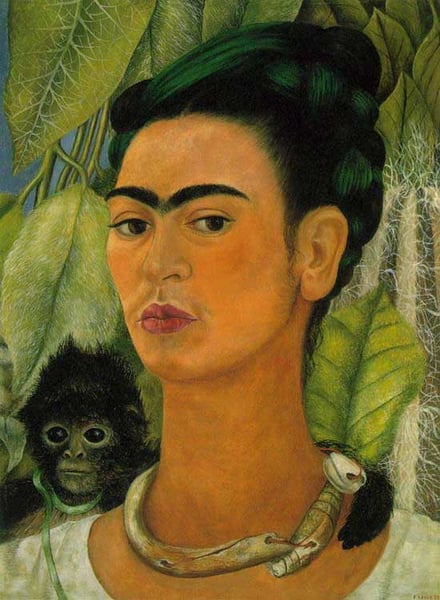
Frida Kahlo · Naïve Art (Primitivism) · self-portrait
Self Portrait with a Monkey is a self-portrait by Frida Kahlo from 1938, executed in the naïve art style.
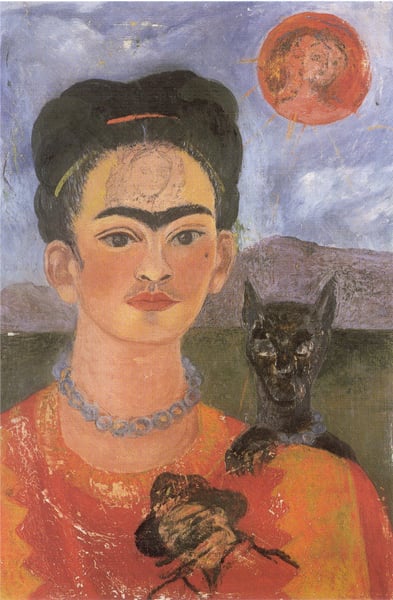
Frida Kahlo · Naïve Art (Primitivism) · self-portrait
Self Portrait with a Portrait of Diego on the Breast and Maria Between the Eyebrows depicts Frida Kahlo's face in the naïve or primitive style, featuring a portrait of Diego positioned on the breast and a portrait of Maria positioned between the eyebrows. The work is a self-portrait completed in 1954.
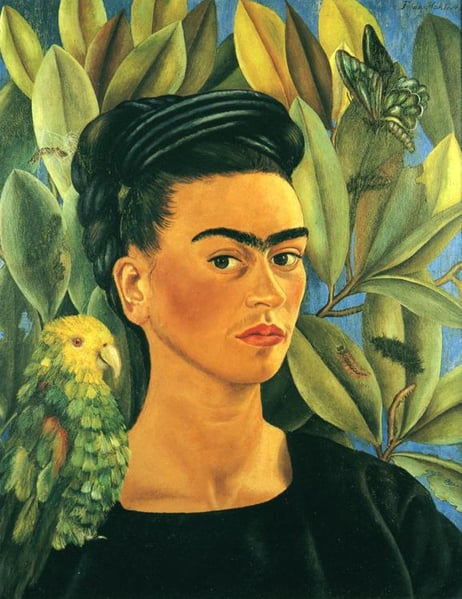
Frida Kahlo · Naïve Art (Primitivism) · self-portrait
Self-Portrait with Bonito is a self-portrait by Frida Kahlo from 1941, painted in the naïve art style.
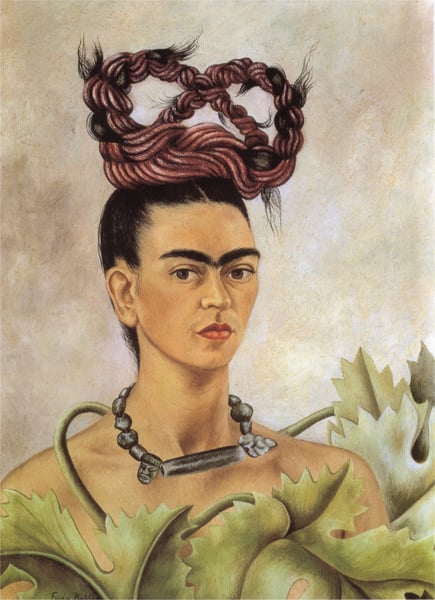
Frida Kahlo · Naïve Art (Primitivism) · self-portrait
Self Portrait with Braid is a self-portrait by Frida Kahlo from 1941, executed in the Naïve Art style.
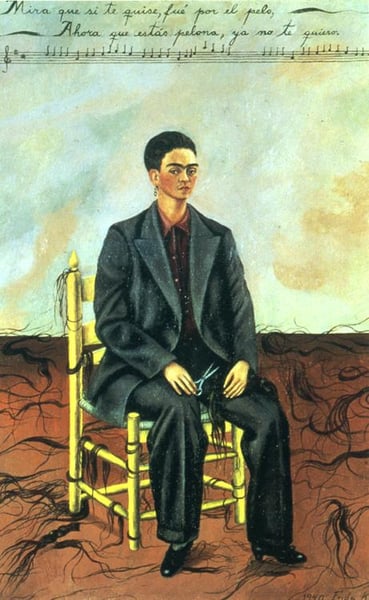
Frida Kahlo · Naïve Art (Primitivism) · self-portrait
This self-portrait shows Kahlo as an androgynous figure. Scholars have seen this gesture as a confrontational response to [url href=https://www.wikiart.org/en/diego-rivera]Rivera[/url]'s demand for a divorce, revealing the artist's injured sense of female pride and her self-punishment for the failures of her marriage. Her masculine attire also reminds the viewer of early family photographs in w...
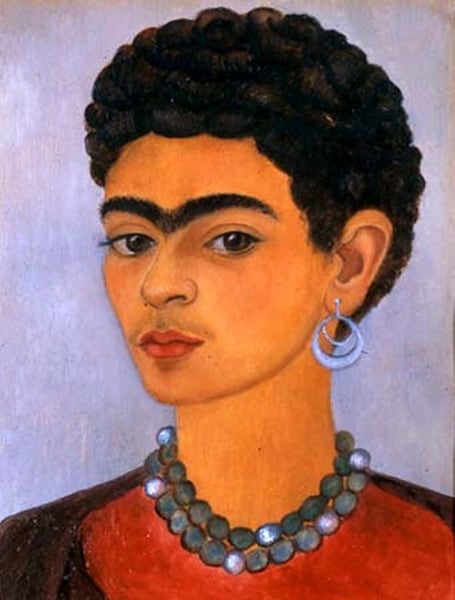
Frida Kahlo · Naïve Art (Primitivism) · self-portrait
Self Portrait with Curly Hair is a self-portrait by Frida Kahlo from 1935, painted in the naïve art style.
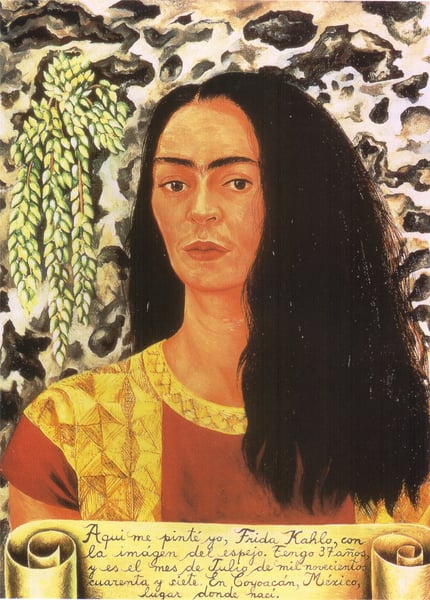
Frida Kahlo · Naïve Art (Primitivism) · self-portrait
Self Portrait with Loose Hair, also known as Self Portrait with Unbound Hair, is a 1947 oil-on-masonite painting by Mexican artist Frida Kahlo.
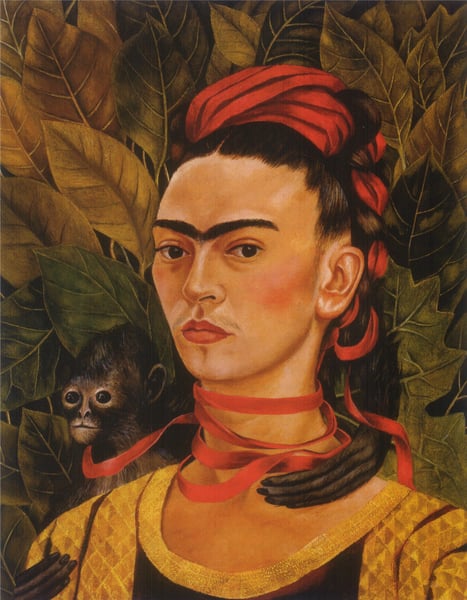
Frida Kahlo · Naïve Art (Primitivism) · self-portrait
Self Portrait with Monkey depicts the artist alongside a monkey, painted in the naïve art style. Created in 1940, the work is a self-portrait.
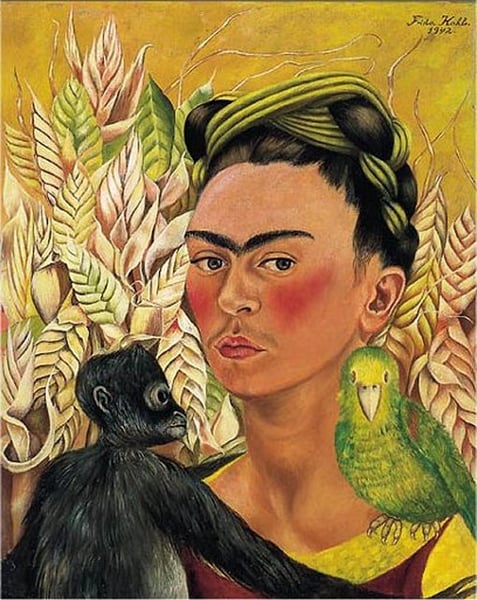
Frida Kahlo · Naïve Art (Primitivism) · self-portrait
Self Portrait with Monkey and Parrot depicts the artist alongside a monkey and a parrot, rendered in the naïve art style characteristic of Kahlo's work in 1942. The composition places the figure centrally with the two animals positioned nearby, their forms and the artist's rendered with the flattened perspective and direct intensity typical of primitivism.
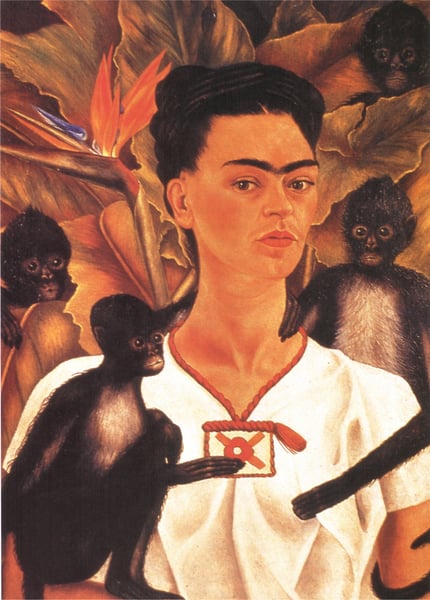
Frida Kahlo · Naïve Art (Primitivism) · self-portrait
Frida Kahlo's Self Portrait with Monkeys (1943) is a self-portrait in the naïve art style that includes monkeys as depicted subjects alongside the artist's figure.
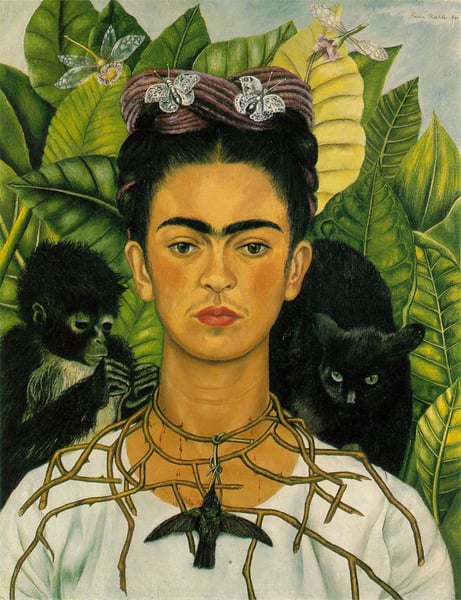
Frida Kahlo · Naïve Art (Primitivism) · self-portrait
Frida Kahlo painted this self-portrait in 1940, depicting herself wearing a necklace of thorns in the naïve style of primitivism.
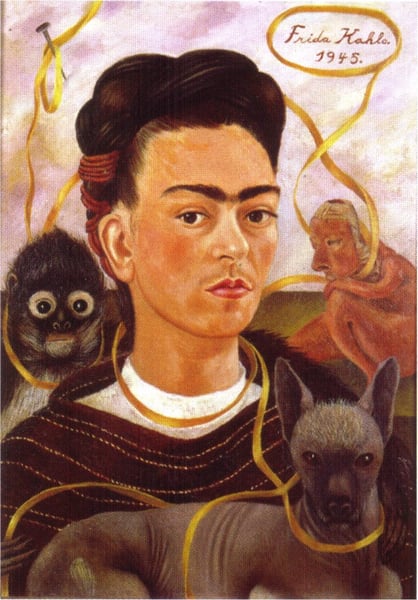
Frida Kahlo · Naïve Art (Primitivism) · self-portrait
Self Portrait with Small Monkey is a 1945 self-portrait by Frida Kahlo in the naïve art tradition, depicting the artist with a small monkey as a companion figure.
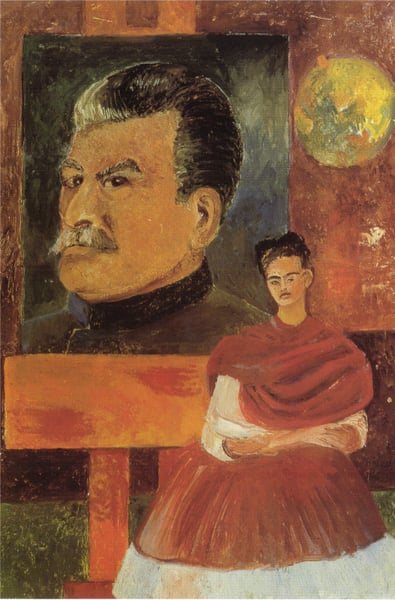
Frida Kahlo · Naïve Art (Primitivism) · self-portrait
Self Portrait with Stalin depicts the artist herself alongside a figure of Stalin, rendered in the naïve art style characteristic of Kahlo's work. Painted in 1954, the work combines portraiture with political imagery through a primitivist formal language.
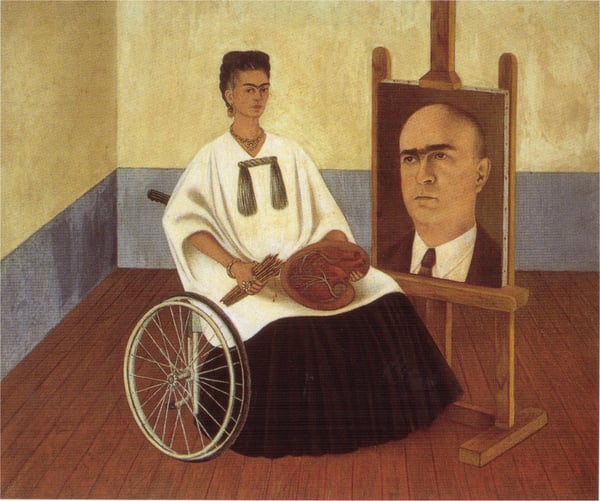
Frida Kahlo · Naïve Art (Primitivism) · self-portrait
Self-Portrait with the Portrait of Doctor Farill is a self-portrait by Frida Kahlo from 1951, executed in the Naïve Art tradition. The work depicts the artist alongside a portrait of Doctor Farill, presenting both figures within a single composition characteristic of Kahlo's introspective approach to the genre.
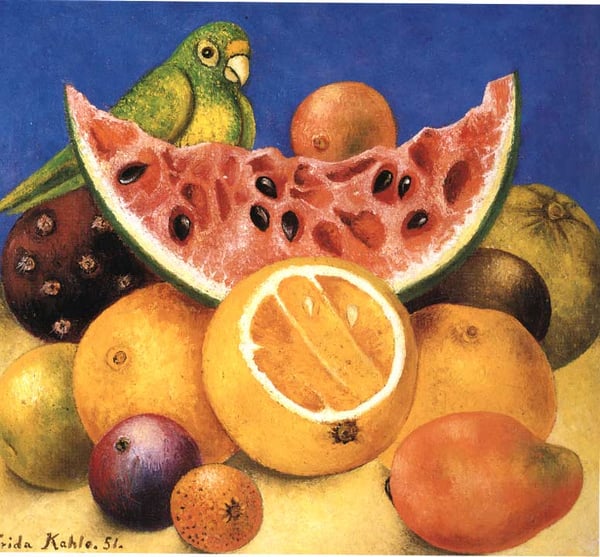
Frida Kahlo · Naïve Art (Primitivism) · still life
Still life with parrot is a 1951 still life painting by Frida Kahlo in the naïve art style.
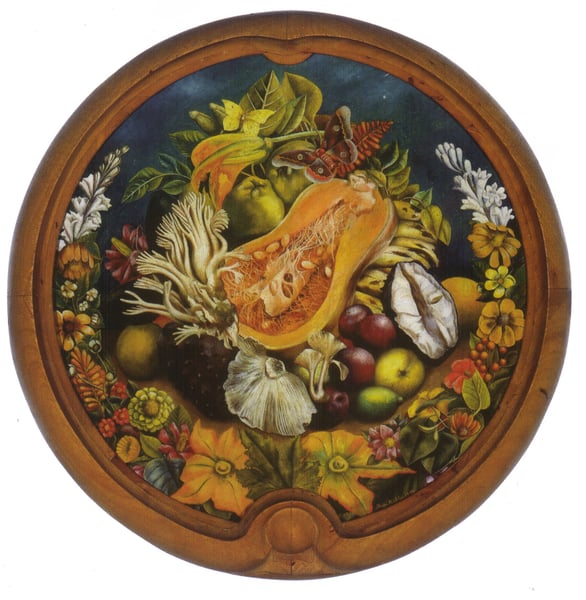
Frida Kahlo · Naïve Art (Primitivism) · still life
Still Life (Round) is a still life painting by Frida Kahlo from 1942, executed in the naïve art style.
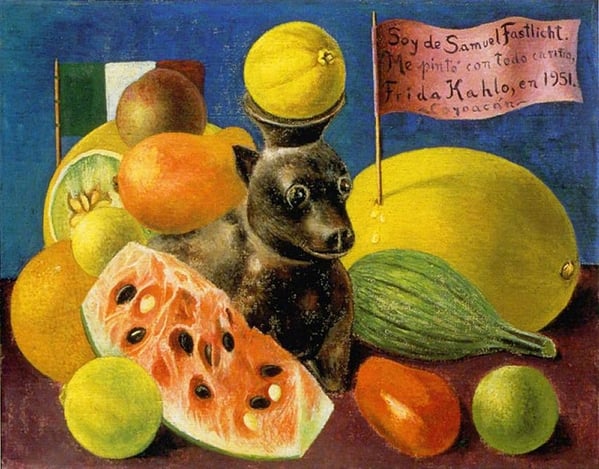
Frida Kahlo · Naïve Art (Primitivism) · still life
La natura morta è una raffigurazione pittorica di oggetti inanimati. Si rappresentano soprattutto frutta e fiori, ma anche oggetti di vario tipo, come strumenti musicali, bottiglie o animali morti.
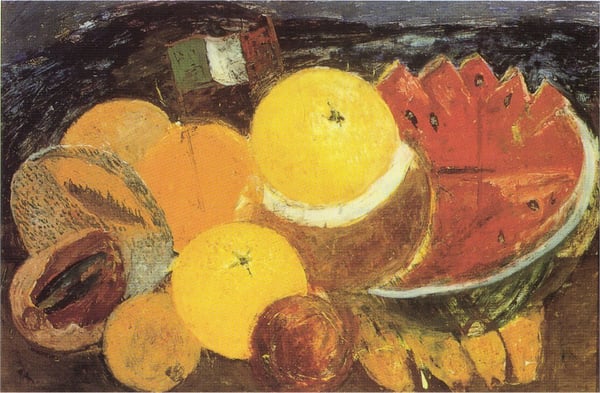
Frida Kahlo · Naïve Art (Primitivism) · still life
Still Life with Flag is a still life painting by Frida Kahlo from 1954, executed in the naïve art style characteristic of primitivism.
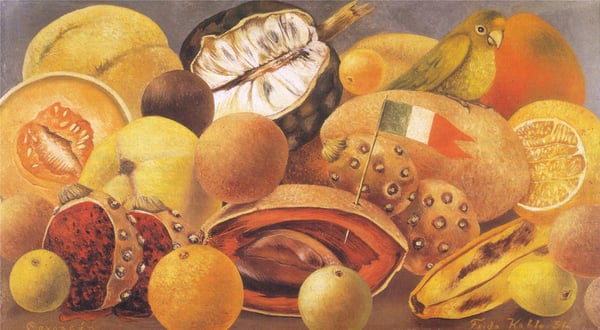
Frida Kahlo · Naïve Art (Primitivism) · still life
Still Life with Parrot and Flag is a still life painting by Frida Kahlo from 1951, executed in the naïve art style. The composition assembles a parrot and a flag among its subjects, rendered in the artist's characteristically direct approach to form and color.
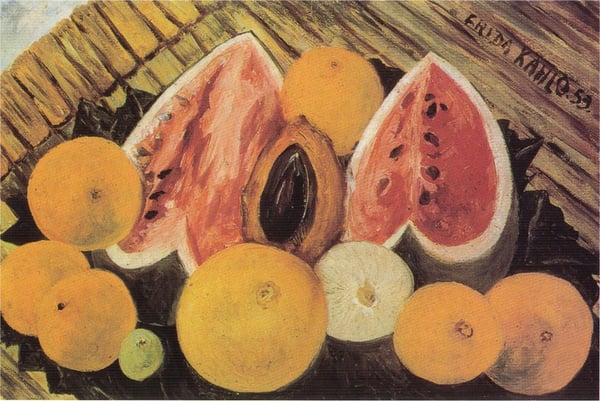
Frida Kahlo · Naïve Art (Primitivism) · still life
Still Life with Watermelons is a still-life painting by Frida Kahlo from 1953, executed in the naïve art style. The work depicts watermelons as its subject, rendered according to the primitivist approach characteristic of her practice during this period.
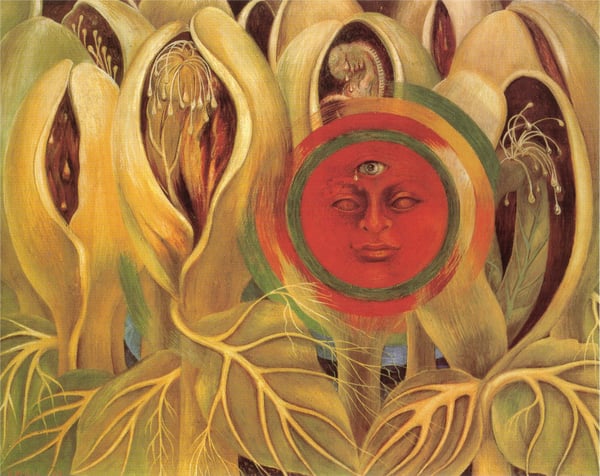
Frida Kahlo · Naïve Art (Primitivism) · symbolic painting
Sun and Life (1947) is a symbolic painting by Frida Kahlo in the naïve art style, depicting the sun and the concept of life through the visual language of primitivism.
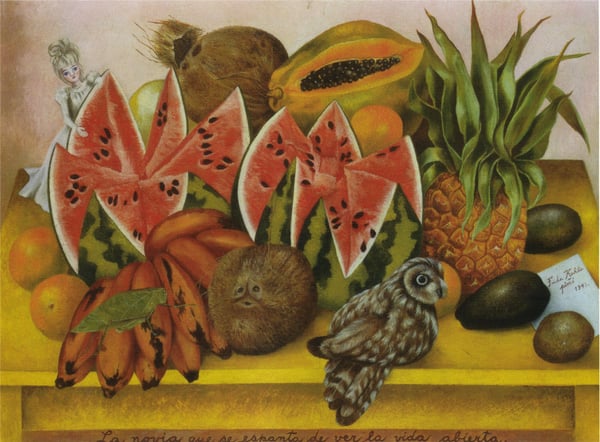
Frida Kahlo · Naïve Art (Primitivism) · still life
The Bride Frightened at Seeing Life Opened is a still life by Frida Kahlo from 1943, painted in the naïve art tradition. The title names the emotional state and circumstance—a bride confronting an opened, exposed vision of life—though the work itself remains a still life composition rather than a narrative scene.
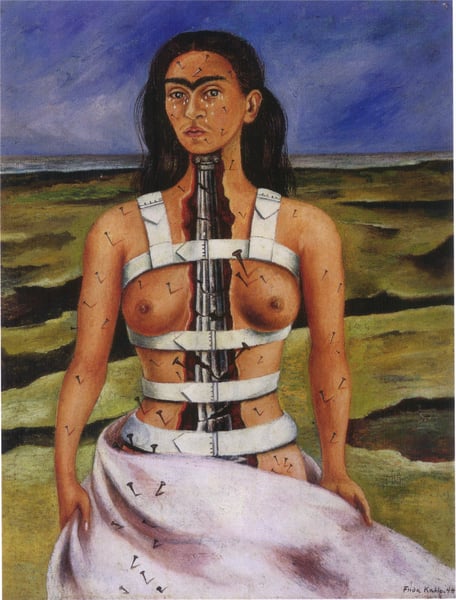
Frida Kahlo · Naïve Art (Primitivism) · self-portrait
Kahlo was 18 years old when she was involved in a horrific traffic accident, in which an iron rod pierced her abdomen, right foot was crushed, and two vertebrae were fractured, as well as a number of other bones, including eleven fractures in her right leg. As she recovered in a full body cast, her mother brought her a small lap easel, and, with a mirror over her bed, began painting self-portra...
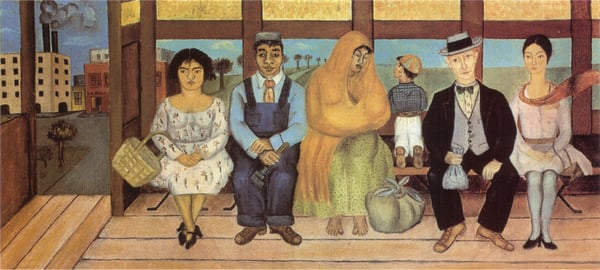
Frida Kahlo · Naïve Art (Primitivism) · genre painting
The Bus depicts a public conveyance with passengers rendered in the naïve, primitivist style characteristic of Kahlo's work from 1929. The painting belongs to the genre tradition of depicting everyday scenes and social observation, executed with the simplified forms and direct perspective typical of primitivist painting.
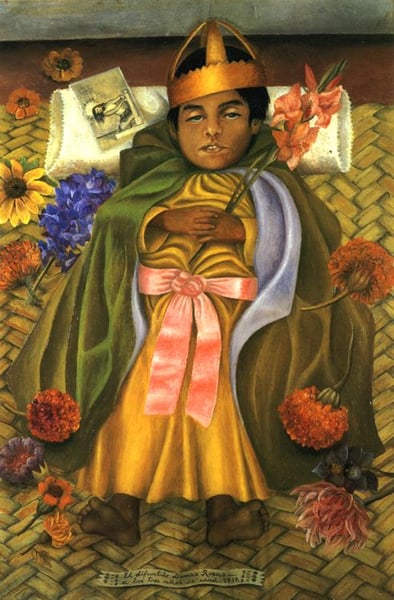
Frida Kahlo · Naïve Art (Primitivism) · portrait
The Deceased Dimas is a portrait painted by Frida Kahlo in 1937 in the naïve art style. The work depicts a deceased figure named Dimas, rendered with the simplified forms and direct presentation characteristic of primitivism.
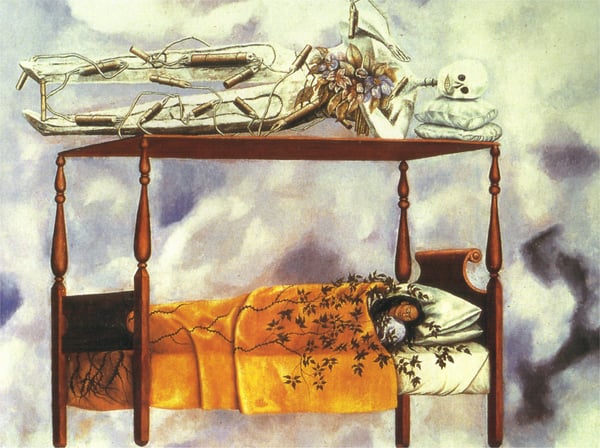
Frida Kahlo · Naïve Art (Primitivism), Surrealism · symbolic painting
The Dream (The Bed) (Spanish: El sueño (La cama)) is a 1940 self-portrait by Mexican artist Frida Kahlo.
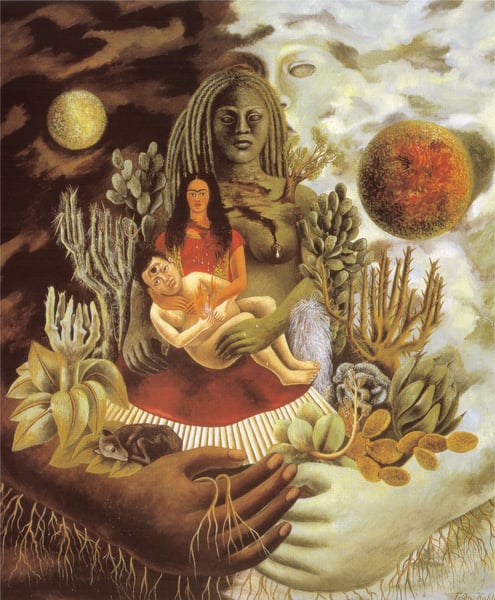
Frida Kahlo · Naïve Art (Primitivism), Surrealism · symbolic painting
The Love Embrace of the Universe, the Earth (Mexico), Myself, Diego and Señor Xólotl is a symbolic painting by Frida Kahlo from 1949, executed in the styles of naïve art (primitivism) and Surrealism.
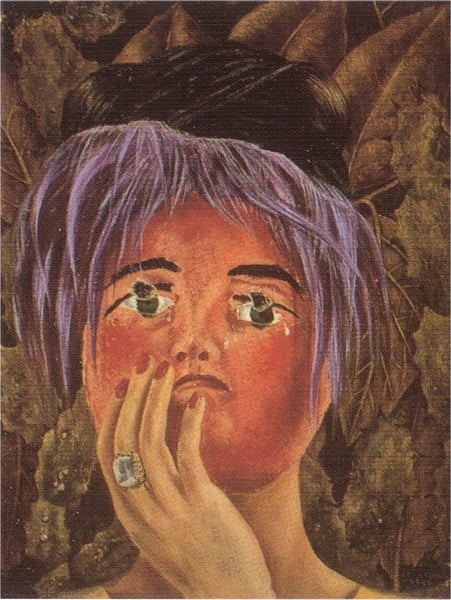
Frida Kahlo · Naïve Art (Primitivism) · portrait
The Mask is a 1945 portrait by Frida Kahlo, painted in a naïve art style.
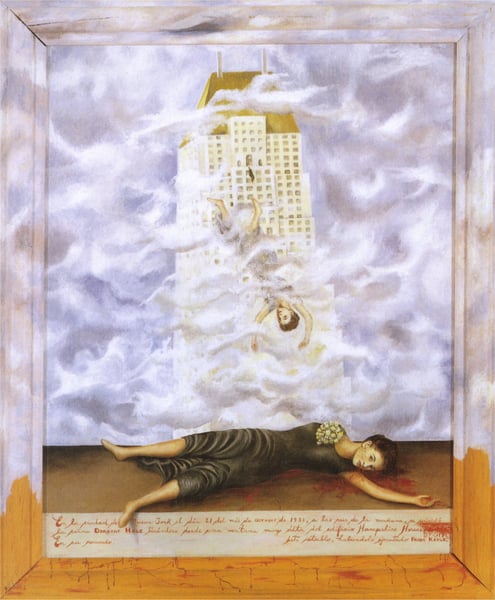
Frida Kahlo · Naïve Art (Primitivism) · genre painting
Dorothy Hale, nata Dorothy Donovan, è stata un'attrice statunitense. Appartenente all'alta società, fu protagonista di un famoso suicidio, gettandosi da un grattacielo.
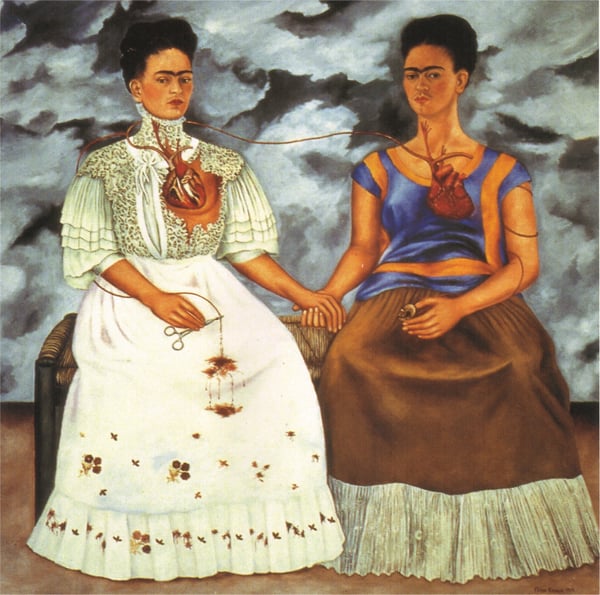
Frida Kahlo · Naïve Art (Primitivism) · self-portrait
Le due Frida è un celebre dipinto della pittrice messicana Frida Kahlo, realizzato nel 1939 e conservato nel Museo de Arte Moderno di Città del Messico.
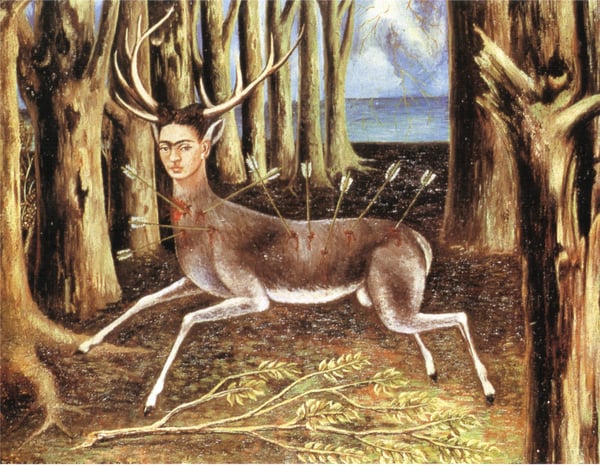
Frida Kahlo · Naïve Art (Primitivism) · self-portrait
Later in her life, Kahlo was interested in ancient Eastern religions and mysticism, and The Little Deer is an assimilation of her Mexican and European heritage with these ancient beliefs. The image is of Kahlo’s head placed on top of a stag, which is pierced with arrows. The arrows no doubt refer to her own pain and suffering due to her injuries, as well as her injurious marriage to Diego River...
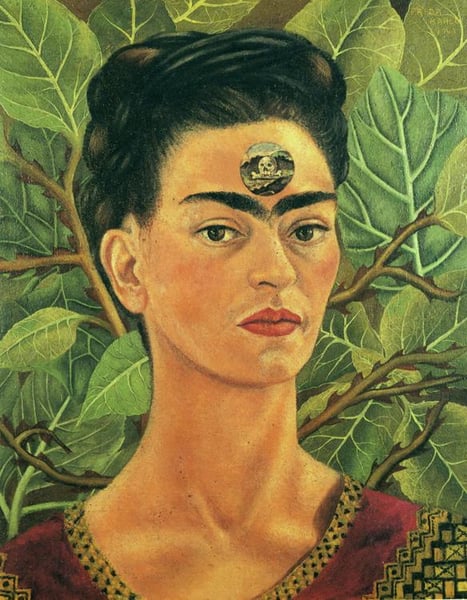
Frida Kahlo · Naïve Art (Primitivism) · self-portrait
Frida Kahlo created this self-portrait in 1943 in the naïve art style, a work whose title directly names its subject matter. The painting presents the artist's likeness as its central focus within a composition executed in the primitivist manner characteristic of her approach during this period.
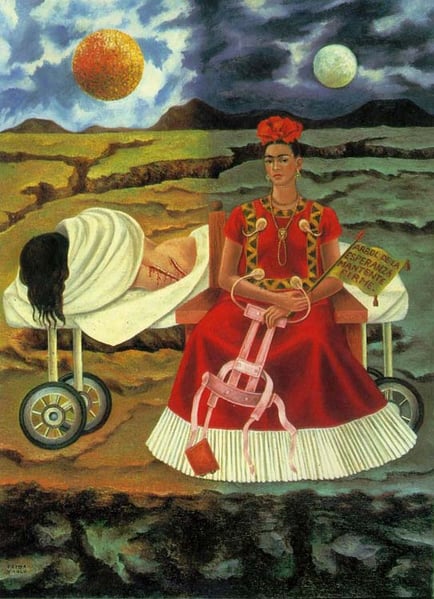
Frida Kahlo · Naïve Art (Primitivism), Surrealism · genre painting
Tree of Hope, Remain Strong is a 1946 painting by Frida Kahlo that combines naïve and surrealist approaches. The work's title names its central subject—a tree whose persistence the composition invokes—rendered in a style that merges primitivist directness with surrealist imagery.
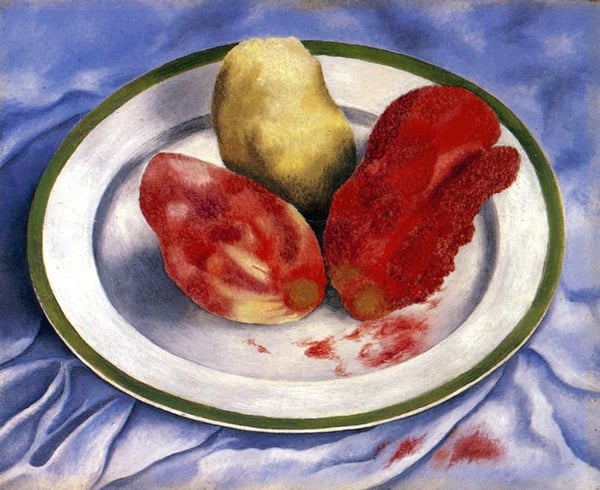
Frida Kahlo · Naïve Art (Primitivism) · still life
Tunas is a still life painting by Frida Kahlo from 1938, executed in the naïve art style. The work depicts prickly pear fruit arranged as its subject matter.
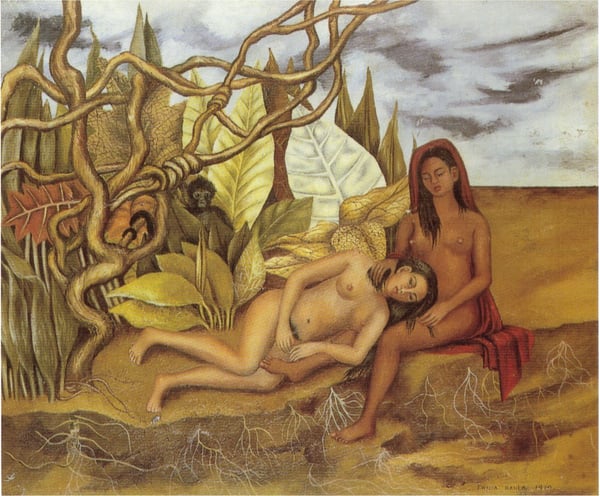
Frida Kahlo · Naïve Art (Primitivism) · nude painting (nu)
Two Nudes in the Forest (The Earth Itself) is a nude painting by Frida Kahlo from 1939, executed in the naïve art style associated with primitivism.
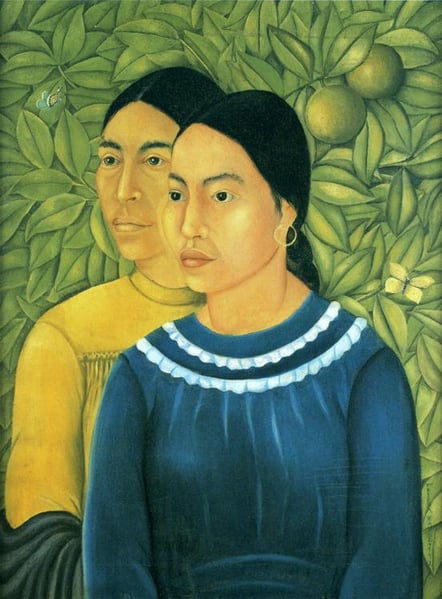
Frida Kahlo · Naïve Art (Primitivism) · portrait
La ciociara è un film del 1960 diretto da Vittorio De Sica. Il soggetto è un adattamento di Vittorio De Sica e Cesare Zavattini dall'omonimo romanzo scritto da Alberto Moravia; nonostante le vicende siano romanzate è facile ravvisare analogie con gli episodi di violenza sui civili da parte delle truppe alleate, perpetrati durante la campagna d'Italia.
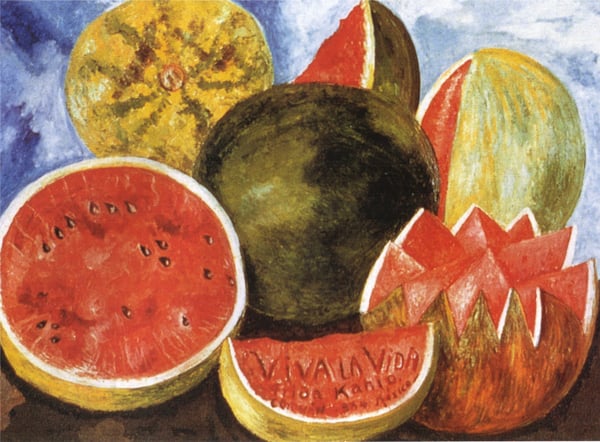
Frida Kahlo · Naïve Art (Primitivism) · still life
Viva la Vida, Watermelons is a still life painting by Frida Kahlo from 1954, rendered in the naïve art (primitivism) style. The work depicts watermelons as its subject matter.
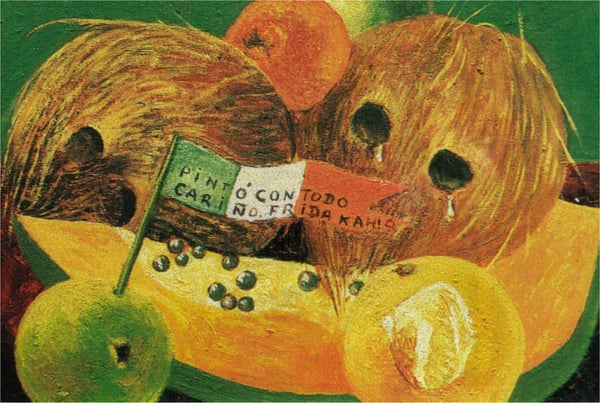
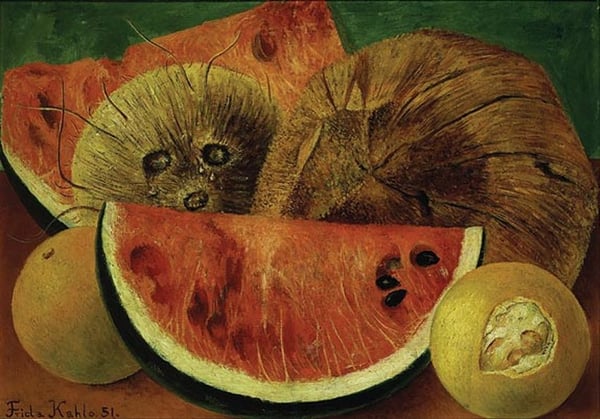
Frida Kahlo · Naïve Art (Primitivism) · still life
Weeping Coconuts or Coconut Tears is a still life painted by Frida Kahlo in 1951 in the naïve art tradition. The title names the depicted subject—coconuts rendered with an anthropomorphic quality suggested by the verb "weeping" or "tears."
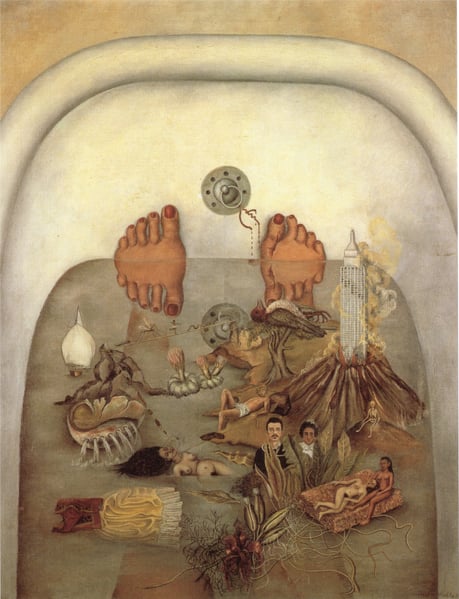
Frida Kahlo · Naïve Art (Primitivism), Surrealism · symbolic painting, self-portrait
In this painting, most of Kahlo's body is obscured from view. We are unusually confronted with the foot and plug end of the bath, and with focus placed on the artist's feet. Furthermore, Kahlo adopts a birds-eye view and looks down on the water from above. Within the water, Kahlo paints an alternative [url href=https://www.wikiart.org/en/paintings-by-genre/self-portrait]self-portrait[/url], one...
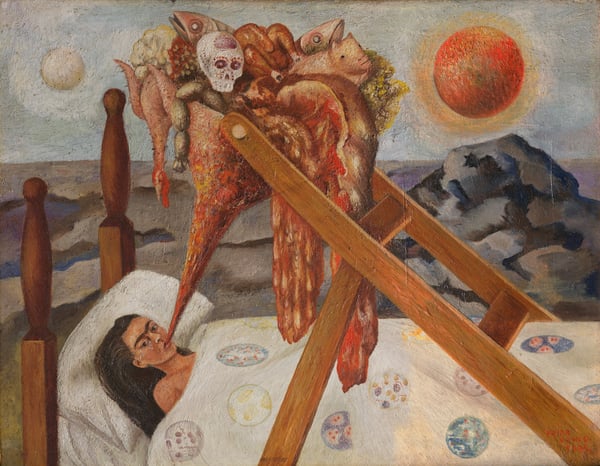
Frida Kahlo · Naïve Art (Primitivism), Surrealism · self-portrait, symbolic painting
Without Hope is a self-portrait by Frida Kahlo from 1945, executed in the Naïve and Surrealist modes. The work presents the artist as a symbolic subject rendered through the visual language of primitivism and dreamlike imagery characteristic of Surrealism.
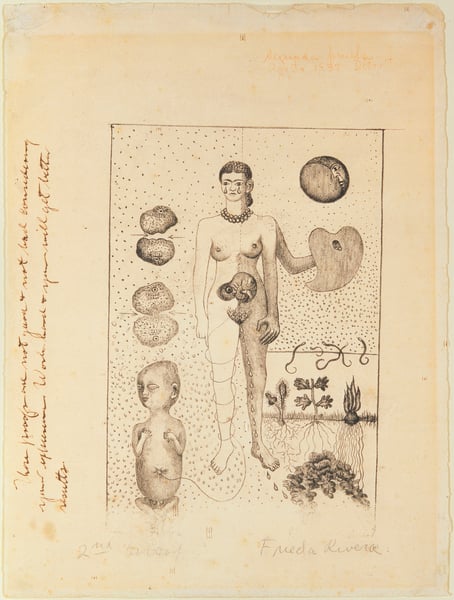
Frida Kahlo · Naïve Art (Primitivism), Surrealism · self-portrait
During the period following her miscarriage, Frida produced a lithograph entitled [i]Frida and the Miscarriage[/i]. Only three proofs of the twelve that she originally made are still in existence; Frida herself destroyed all the others. In the left margin, she wrote in English: “These proofs are not good nor bad considering your experience. Work harder and you will get better results". She port...
Ancora nessun commento — scrivi il primo.